Anaba OffJapan
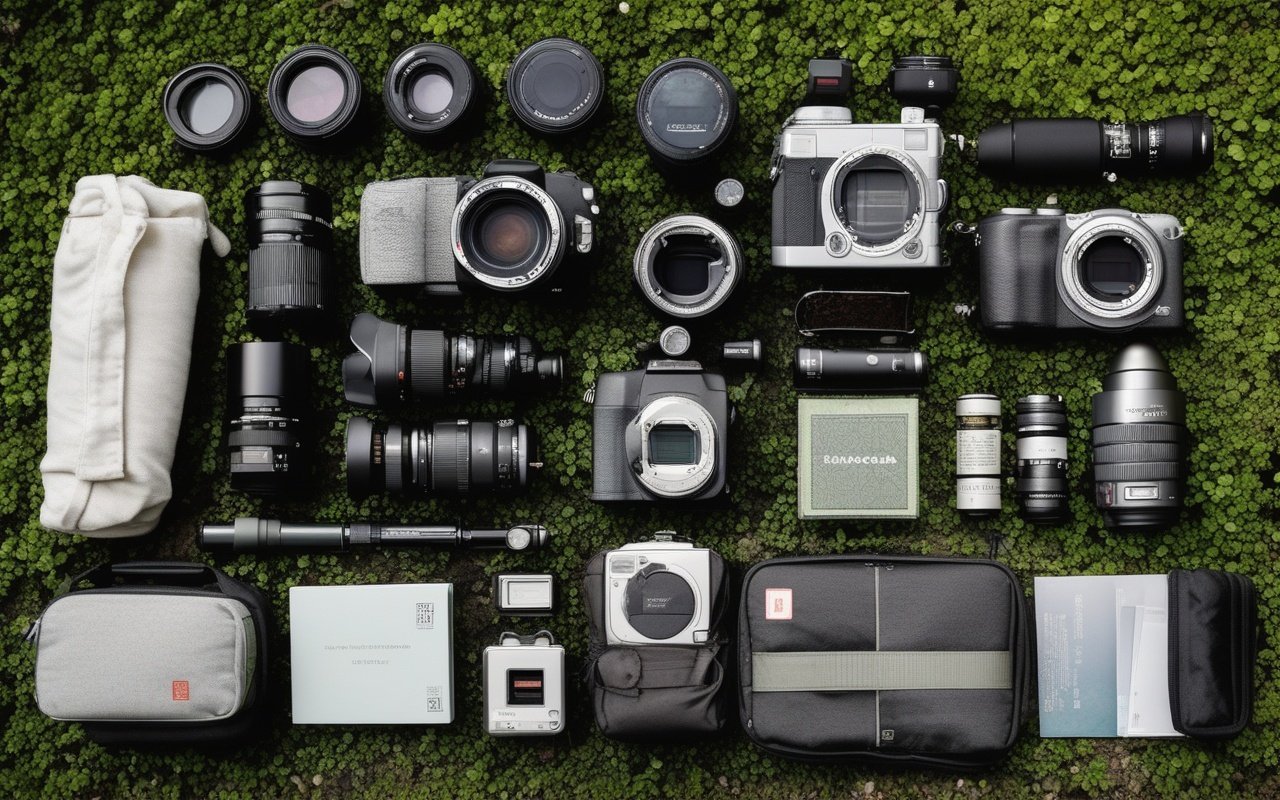
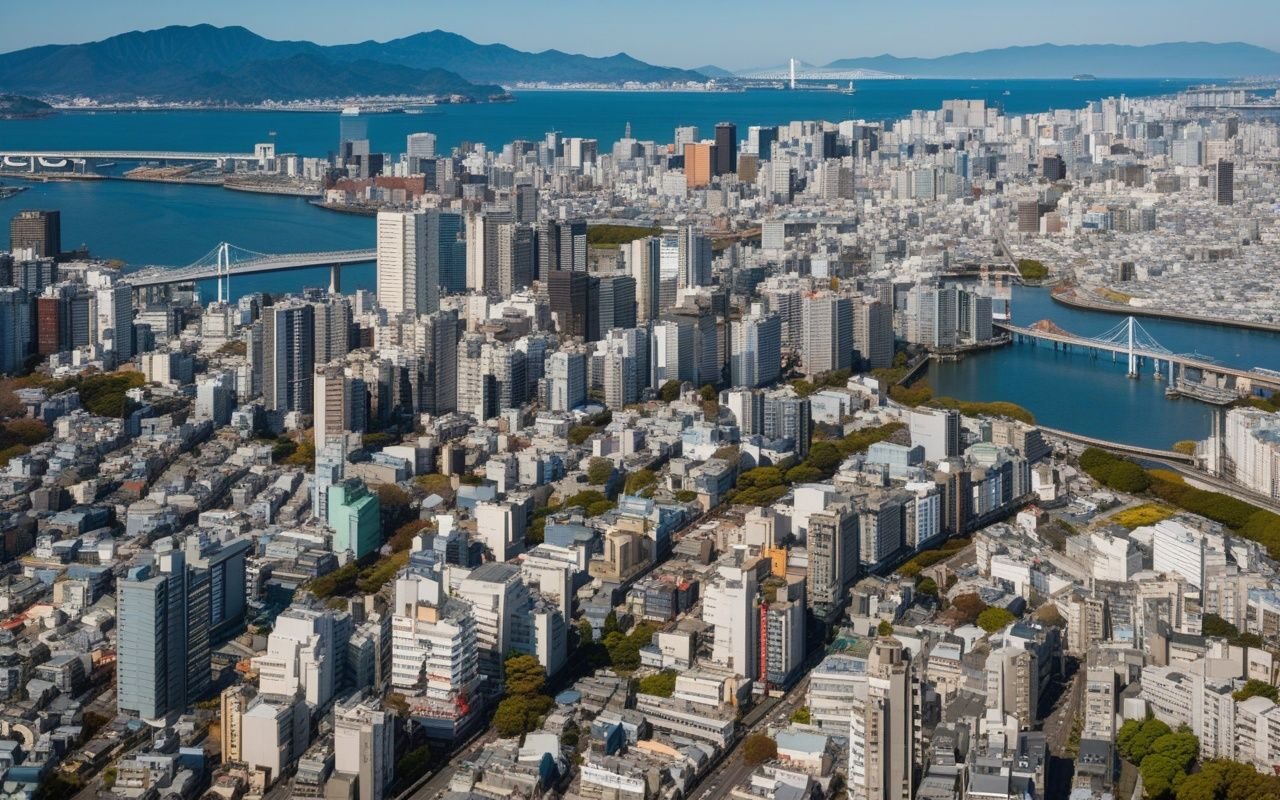
I recommend packing strategically for Kanagawa based on my own trial and error across all four seasons. This checklist reflects what I actually used and what I left behind on subsequent trips.. From transportation passes to safety information, you will find everything you need for a smooth and enjoyable trip. Having visited these locations multiple times, I've gathered practical insights that go beyond typical tourist information.
Introduction
Packing for Kanagawa requires thought — the weather varies by season, cultural norms influence dress codes, and practical items can make or break your trip. This guide covers what to pack for any season or activity.

Season-by-Season Packing List
Spring (March-May)
| Category | Items | Why |
|---|---|---|
| Clothing | Light jacket, long-sleeve shirts, jeans, cardigan | March: 5-14°C, April: 10-19°C, May: 15-23°C |
| Footwear | Comfortable walking shoes + waterproof shoes | Spring showers common in March-April |
| Accessories | Compact umbrella, light scarf, sunglasses | UV increases from April |
| Special | Camera with zoom lens (sakura), picnic blanket (hanami) | Cherry blossom season! |
| Don't forget | Allergy medicine (cedar pollen March-April) | Hay fever is intense in Japan |
Summer (June-August)

Overview
Complete Packing Checklist

Documents & Money
- [ ] Passport (check expiry — needs 6+ months validity)
- [ ] Photocopy of passport (keep separate)
- [ ] Travel insurance documents (print + digital)
- [ ] Hotel reservations (digital is fine)
- [ ] IC card (Suica/Pasmo — buy at airport or major stations)
- [ ] Credit card (Visa/MC widely accepted, Amex less so)
- [ ] ¥30,000-50,000 cash (¥10,000 notes — small temples and shops need cash)
- [ ] Driver's license + International Driving Permit (if renting car)
- [ ] Emergency contact list

Technology
- [ ] Smartphone + unlock code (SIM-free for Japanese SIM/eSIM)
- [ ] Portable battery (10,000mAh+) — essential for long exploring days
- [ ] Charging cables (iPhone USB-C/Lightning, USB-C for Android)
- [ ] Power adapter (Japan uses Type A/B, same as US — 100V)
- [ ] eSIM or pocket WiFi (pre-order for airport pickup)
- [ ] Camera + spare batteries + SD cards (if not using phone)
- [ ] Headphones (for train journeys)
Toiletries (What Hotels Provide vs, Bring)
| Hotels Provide | Bring Your Own |
|---|---|
| Shampoo + conditioner | Specialty hair products |
| Body soap | Moisturizer (winter air is very dry) |
| Toothbrush + toothpaste | Lip balm |
| Razor | Sunscreen (drugstores sell it, but bring your preferred brand) |
| Pajamas | Prescription medications (bring enough + copy of prescription) |
| Slippers | Contact lenses + solution |
| Hairbrush (some) | Deodorant (harder to find in Japan) |

First Aid Kit
- [ ] Band-aids (various sizes — temple steps cause blisters!)
- [ ] Pain reliever (ibuprofen/acetaminophen)
- [ ] Anti-diarrheal (loperamide — street food can disagree)
- [ ] Cold medicine (daytime + nighttime)
- [ ] Antihistamine (for allergies or unexpected reactions)
- [ ] Motion sickness tablets (for Hakone's winding roads + ropeway)
- [ ] Insect repellent (mosquitoes near water summer/autumn)
- [ ] Rehydration salts/ electrolyte tablets
Day Pack Essentials (Things to Carry Daily)
- [ ] Water bottle (¥120 refills at vending machines)
- [ ] Small hand towel (public restrooms often don't have paper towels)
- [ ] Compact umbrella (¥500 at convenience store but carry one)
- [ ] Portable charger
- [ ] Snack (rice ball/ granola bar)
- [ ] ¥5,000-10,000 cash (temples, small shops, emergency)
- [ ] IC card (Suica/Pasmo)
- [ ] Hotel business card (to show taxi driver if lost)
- [ ] Pocket WiFi or eSIM active
What NOT to Pack
| Don't Bring | Why | Alternative |
|---|---|---|
| Hairdryer | All hotels, capsule hotels, and ryokan provide one | Use hotel's |
| Towels | Hotels provide bath towels + face towels + hand towels | Don't waste luggage space |
| Shampoo/Conditioner | All accommodations provide these (even capsule hotels) | Use hotel's or buy at drugstore |
| Umbrella (from home) | ¥500 at any convenience store, better quality | Buy upon arrival |
| Too many clothes | Coin laundry available at hotels (¥300-500/load) | Do laundry every 3-4 days |
| Heavy guidebook | Google Maps + Google Translate replaces most guidebooks | Download offline maps |
| Laptop (unless needed) | Smartphone handles most needs | Leave it at home |
| Converters for US plugs | Japan uses the same Type A/B plugs as US | Only need adapters if from Europe/UK/Aus |
| Full-size pillows | Japanese hotel pillows are adequate | Use hotel pillow |
How to Get There
To Kanagawa from Narita Airport: Narita Express (N'EX) to Yokohama (90 minutes, ¥4,570) or limousine bus to Yokohama Station (110 minutes, ¥4,100).
To Kanagawa from Haneda Airport: Keikyu Line to Yokohama (30 minutes, ¥480) or limousine bus to Kamakura (60 minutes, ¥1,000). To Yokohama from Tokyo: JR Tokaido Line (25 minutes, ¥590) or Keihin-Tohoku Line (35 minutes). To Kamakura from Tokyo: JR Yokosuka Line (1 hour, ¥950) or JR Shonan-Shinjuku Line (55 minutes). I found that having a prepaid IC card saved me significant time navigating between attractions.

Best Time to Visit
The ideal seasons for visiting Kanagawa are spring (March-May) and autumn (September-November) when temperatures are moderate and rainfall is minimal. Summer offers vibrant festivals and beach activities despite the humidity. Winter provides crisp clear days perfect for photography and sightseeing with fewer tourists.
Practical Tips
- Early bird: Major temples and attractions open at 8:00-9:00 AM. Arriving early lets you avoid crowds.
- Download offline maps: Google Maps works offline. Download Kanagawa maps before your trip.
- Emergency numbers: Police 110, Ambulance/Fire 119. Save these in your phone before traveling.
- Travel insurance: Recommended for medical coverage and trip cancellation protection.
- Language help: Download Google Translate with Japanese language pack for offline translation.
Frequently Asked Questions
Q: Q: What shoes should I bring for Kanagawa?A:** A: ONE comfortable walking pair (already broken in) + ONE pair of sandals for evenings/onsen, Nothing else needed. Good walking shoes are non-negotiable — temple paths, gravel, Enoden station stairs, and hills await.
Q: Q: Do I need to bring toiletries?A:** A: Bring only: lip balm (Japan's winter is dry), moisturizer, prescription meds, deodorant (hard to find in Japan). EVERYTHING else (shampoo, conditioner, body soap, toothbrush, toothpaste, razor, sleepwear, slippers) is provided by hotels.
Q: Q: Should I bring cash or cards?A:** A: BOTH. Credit card for major expenses, ¥30,000-50,000 cash for temples, small restaurants, and IC card top-ups. IC card (Suica/Pasmo) is essential for trains and convenience stores.
Q: Q: What clothing is appropriate for temple visits?A:** A: Shoulders and knees covered. No see-through clothing. Comfortable shoes (many steps). Carry a light jacket — temples can be 5°C cooler than outside. Remove shoes before entering temple buildings.
Q: Q: Do I need a power adapter?A:** A: If coming from the US/Canada: NO (Japan uses same Type A/B plugs). From Europe/UK/Aus: YES, bring a universal adapter. Most hotels have USB charging ports.
Pro Tips
Pro Tip: Use the hotel's coin laundry (¥300-500 per load) every 3-4 days instead of packing a full 7-10 day wardrobe. Japan's dryers are very efficient — your clothes will be dry in 30 minutes.
- Japan National Tourism Organization
- Kanagawa Tourism Official Site
- Japan Guide: What to Bring to Japan
Visiting in person, I truly appreciated the depth of this area. I hope this serves as a useful reference for your trip.
Summary: Pack Light, Buy Local
The golden rule of packing for Kanagawa: pack half the clothes and twice the money you think you need. Japan's convenience stores, drugstores, and 100-yen shops carry everything you might have forgotten — often better quality than what you'd bring from home.
Three takeaways for your packing strategy:
- Do laundry: Pack 3-4 days of clothes, do hotel coin laundry (¥300-500/load), repeat
- Buy upon arrival: Umbrella (¥500), hand towel (¥300), toiletries (¥800-1,500 at drugstore) — save luggage space
- Carry cash + IC card: Digital payment is common but not universal. Cash + IC card covers 99% of situations For more practical guidance, see our Seasonal Guides and Seasonal Guides. Check the weather before you pack in our Kanagawa Seasonal Guide.
Kanagawa Packing List Guide 2026 — Compl... is your starting point for exploring this part of Kanagawa. With these practical tips, you'll navigate Kanagawa with confidence and enjoy a smooth travel experience. For more guides, check out our other articles covering Hakone, Kamakura, Yokohama, Shonan, and the Miura Peninsula.
What I Actually Used (and What I Left Behind)
After multiple trips to Kanagawa, I have refined my packing list to what I genuinely use. The items I reach for most: a lightweight down jacket (even in summer — the evenings near the coast get chilly), comfortable walking shoes (I walk 15,000–20,000 steps daily in Kamakura and Yokohama), and a reusable water bottle (public fountains are common at temples and parks).
Items I brought and never used: a formal outfit (I never needed it — Kanagawa is casual), a physical phrase book (Google Translate handled everything), and an umbrella (I bought a better one locally for ¥500 after the cheap one I brought broke on the first day).
Things I wish I had packed on my first trip: a small towel (many public restrooms have no hand dryers), a portable battery pack (Google Maps drains battery fast, especially when navigating Kamakura's narrow streets), and a plastic bag for wet shoes (the morning dew at temples soaks through canvas sneakers within minutes). For winter, thermal underwear makes a huge difference — I wore Uniqlo Heattech under my clothes every day and stayed comfortable even at Hakone's high altitudes.
Nearby Recommendations
After exploring the main destination, consider visiting nearby attractions. Most areas are within 20-30 minutes by train. Many hidden gems are just minutes off the main path.
Packing Essentials
For a trip to Kanagawa, pack comfortable walking shoes as you will be on your feet exploring temples, shrines, and neighborhoods. A reusable water bottle is essential - tap water is safe to drink. A small umbrella or light rain jacket is useful year-round. Power banks are recommended since you will rely on your phone for maps. A small daypack for daily essentials makes sightseeing more convenient.
For more details, see our guide to Kamakura vs Hakone — Which Day Trip is Best in 2026?.
Conclusion
Kanagawa Packing List Guide 2026 — Complete Travel... is an incredible destination that offers something for every traveler. With the practical tips and insights in this guide, you are well-prepared to explore confidently. Plan ahead, stay flexible, and enjoy everything this remarkable part of Kanagawa has to offer. Safe travels!