Anaba OffJapan
Introduction
Kanagawa's climate varies significantly by season, and dressing appropriately makes a big difference in comfort. This guide covers what to pack and wear for each season, from layering in winter to staying cool in summer.
Seasonal Highlights in Kanagawa
Each season in Kanagawa brings unique attractions and experiences that make多次 visits rewarding. The prefecture's diverse geography — from coastal Shonan to mountainous Hakone — means there is always something in bloom, something to harvest, or a festival to enjoy regardless of when you visit.
Best Activities by Season
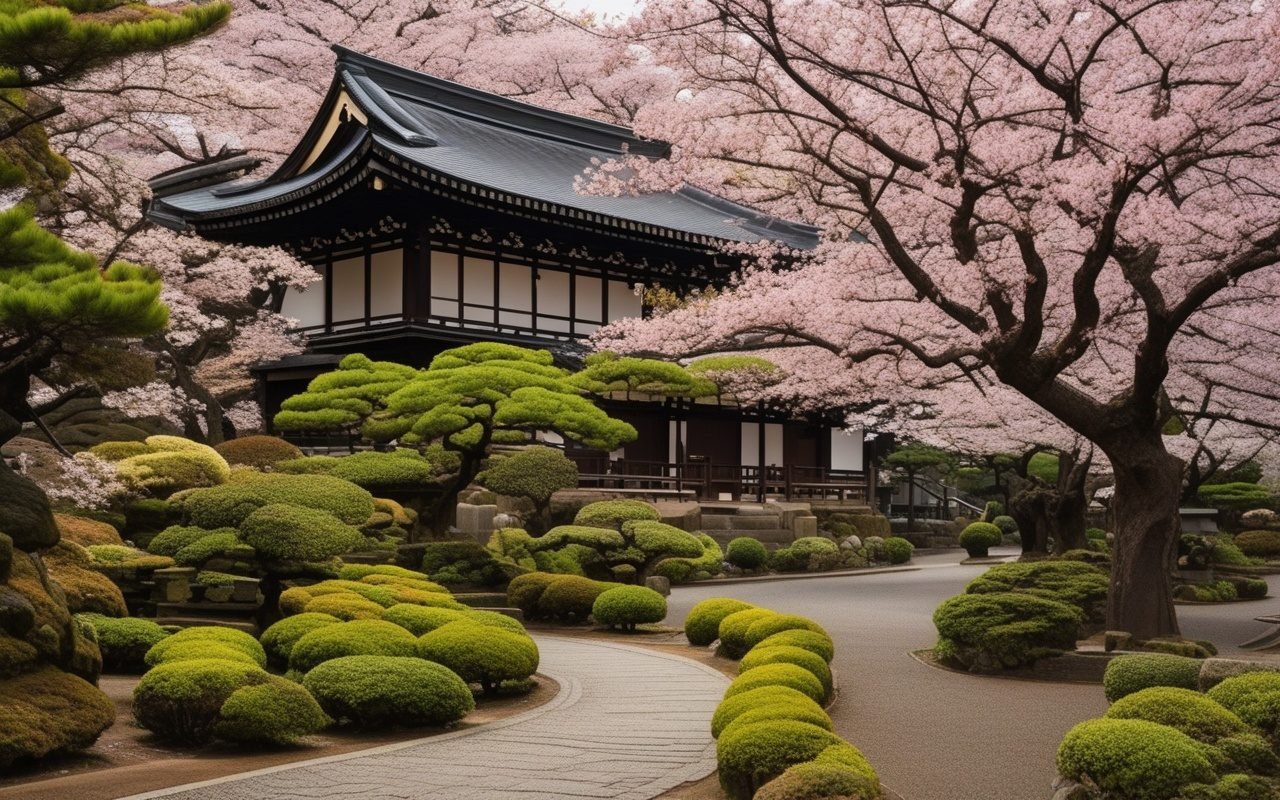
Planning your activities around the season enhances your Kanagawa experience, Spring calls for cherry blossom viewing along the Enoden tram line and hiking in the Tanzawa Mountains. Summer is perfect for beach days at Shonan and evening fireworks displays. Autumn offers spectacular foliage viewing in Hakone and Kamakura. Winter provides the clearest Mount Fuji views and relaxing onsen experiences.
Practical Travel Tips for This Season
Packing appropriately for the season makes a significant difference in comfort. Regardless of season, comfortable walking shoes are essential as many attractions involve walking on uneven paths at temples and shrines. Check the seasonal event calendar before your trip and book popular restaurants and accommodations in advance during peak seasons like cherry blossom and autumn foliage periods. Kanagawa's coastal location means weather can change quickly. The key to comfortable travel is layering — a lightweight base layer, a mid-layer for warmth, and a waterproof outer shell will cover most situations. Don't forget that many temples require you to remove shoes, so slip-on footwear is practical.
Seasonal-specific items worth packing: spring (light rain jacket + UV umbrella), summer (quick-dry clothing + sun hat + portable fan), autumn (fleece + light down jacket), winter (thermal underwear + gloves + scarf). Comfortable walking shoes are non-negotiable year-round.
Overview
Frequently Asked Questions
Q: Q: What is the best season to visit Kanagawa?A:** A: Spring (March-May) and autumn (September-November) offer the most comfortable weather for outdoor activities, Spring brings cherry blossoms along the Enoden line and in Kamakura's temple gardens. Autumn provides spectacular foliage in Hakone and pleasant hiking conditions. Summer offers beaches and festivals but is hot and humid. Winter has the clearest Mount Fuji views and relaxing onsen experiences.
Q: Q: How should I dress for this season?A:** A: In spring/autumn: layers are essential as temperatures vary — a light jacket or sweater with a t-shirt works well. Summer: lightweight, breathable fabrics (linen, cotton), wide-brim hat, UV sunglasses, and comfortable walking shoes. Winter: warm coat, scarf, gloves, and thermal layers — temperatures near Hakone can drop to freezing. Regardless of season, comfortable walking shoes are non-negotiable.
Q: Q: What seasonal events should I not miss?A:** A: Spring: cherry blossom viewing at Tsurugaoka Hachimangu (Kamakura) and Odawara Castle. Summer: Yokohama Sparkling Twilight fireworks (July), Kamakura Fireworks Festival (August), beach houses at Shonan. Autumn: Hakone 紅葉 (fall foliage) festival, Kamakura autumn illuminations. Winter: Hakone Illumination, illuminations at Yokohama's Minato Mirai.
Q: Q: How does weather affect transportation?A:** A: Trains and buses operate normally in most weather conditions, but during typhoons (peak August-September) or heavy snow (rare in coastal areas, possible in Hakone), services may be delayed or suspended. Check the operator's website or Twitter feed for real-time updates. JR East provides English service alerts on their website.
Q: Q: What seasonal foods should I try?A:** A: Spring: strawberry sweets, sakura-flavored treats, fresh bamboo shoots. Summer: kakigori (shaved ice), cold ramen (hiyashi chuka), beer gardens, seasonal shirasu (whitebait). Autumn: roasted chestnuts, sweet potatoes, grilled sanma (Pacific saury). Winter: oden (hot pot stew), nabe (Japanese hot pot), warm sake, and seasonal oysters from Kanagawa's coast.

Month-by-Month Packing Guide
Having spent multiple seasons exploring Kanagawa, I have fine-tuned my packing strategy through trial and error. Here is what actually works for each month, with specific recommendations you won't find in generic Japan packing lists.

March (6-14°C)
This transition month is the trickiest to pack for. Mornings can be chilly (6-8°C) while afternoons warm up to 14°C. I recommend:
- Base layer: Uniqlo Heattech or similar lightweight thermal (¥1,500-2,000)
- Mid layer: Cashmere-blend sweater or fleece
- Outer layer: Lightweight packable down jacket that compresses to fist-size
- Footwear: Water-resistant sneakers (March is one of the rainiest months)
- Essential: A compact travel umbrella — reliable ¥500 umbrellas are available at every convenience store, but buying one in the rain means getting wet first

April (11-19°C)
April is Kanagawa at its finest. Cherry blossom season means you will spend lots of time outdoors, often standing still while admiring sakura, so a warm layer is essential even on mild days.
- Go-to outfit: Light long-sleeve shirt + cardigan + scarf
- Evening essential: A packable windbreaker — temperatures drop sharply after sunset
- Footwear: Comfortable walking shoes (you will walk 15,000-20,000 steps daily during sakura season)
- Pro tip: Layers you can remove and tie around your waist are ideal, as you will warm up walking between temples

May (16-23°C)
My personal favorite month in Kanagawa. The humidity has not arrived yet, and the days are long and pleasant.
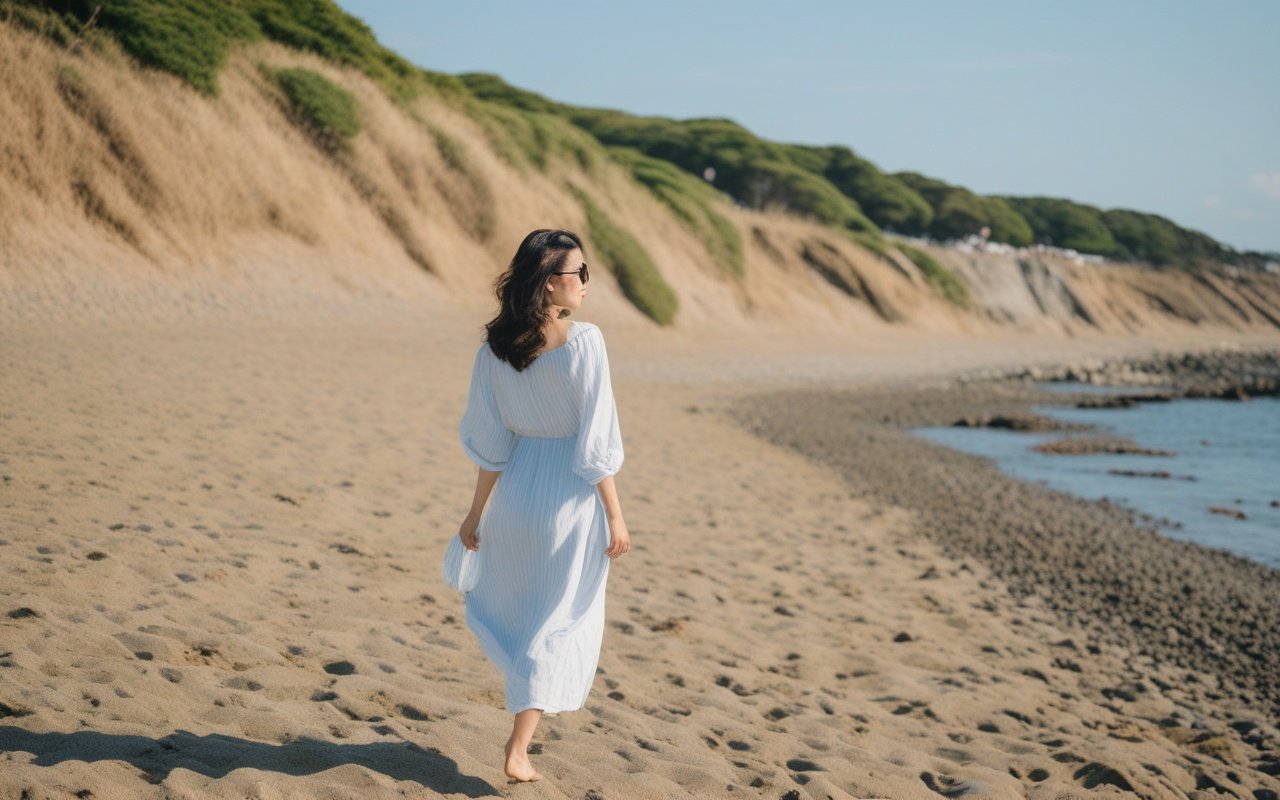
- Daytime: Short sleeves or light dresses with breathable fabrics (linen, cotton)
- Evening: A lightweight cardigan or denim jacket handles the 5-8°C temperature drop
- Accessory: Sunglasses are essential — the spring sun at coastal areas like Enoshima and Kamakura is surprisingly intense
- Hidden challenge: Golden Week (Apr 29-May 5) brings crowds and higher accommodation prices. Pack patience along with your layers
June (20-25°C — Rainy Season)
June is Kanagawa's rainy season (tsuyu). Expect gray skies and intermittent rain for 2-3 weeks.
- MVP item: A quick-dry travel towel — hand towels are essential in Japanese culture and even more so during rainy season
- Footwear: Waterproof shoes are non-negotiable. I use Gore-Tex trail shoes that work for both city walking and light hiking
- Pro tip: Convenience stores sell compact rain ponchos for ¥300-500 that fit in any bag. Keep one with you at all times
July-August (24-31°C — Peak Summer)
The heat and humidity are intense. My first summer in Kanagawa, I underestimated the humidity and spent a miserable afternoon at Kamakura's Great Buddha.
- Fabrics: Only quick-dry, moisture-wicking materials. Cotton becomes heavy with sweat
- Cooling gear: A neck fan (¥2,000-3,000 on Amazon Japan) is worth every yen, Cooling towels activated by water are ¥300 at drugstores
- Sun protection: SPF 50+ sunscreen (reapply every 2 hours), wide-brim hat, UV-cut umbrella
- Essential: An empty water bottle — fill at convenience store sinks or public water fountains
September (21-27°C)
September is transitional and unpredictable. Typhoon season peaks, so check the Japan Meteorological Agency forecast daily.
- Strategy: Short sleeves with a lightweight waterproof layer
- Pro tip: If a typhoon is approaching, plan indoor activities (museums, shopping, indoor onsens) for those days and outdoor activities for clearer windows
October (15-21°C)
October is crisp and beautiful — ideal for hiking and outdoor exploration.
- Layer system: Long sleeves + fleece + packable vest handles morning chill and afternoon warmth
- Footwear: Closed-toe walking shoes are finally comfortable again after summer sandal season
November (10-16°C)
Autumn foliage season draws crowds to Hakone and Kamakura. Pack warmer layers and prepare for cold evenings.
- Winter prep: Start carrying gloves from mid-November. The wind near coastal areas like Enoshima makes it feel 3-5°C colder
- Photography: November offers the clearest blue skies and golden-hour light of any month
December-February (2-12°C)
Winter in Kanagawa is dry and cold, with the clearest Mount Fuji views of the year.
- Thermal strategy: A down coat + thermal base layer + sweater + windproof outer shell handles most conditions
- Accessories: Gloves, scarf, and a warm hat make a dramatic difference. I use touchscreen gloves (¥1,500) so I can use my phone without removing them
- Indoor reality: Japanese buildings are not well-insulated. Indoor temperatures at small restaurants and temples average 16-18°C. Keep your coat on indoors

What to Buy in Japan vs Bring from Home
| Item | Buy in Japan (¥) | Bring from Home |
|---|---|---|
| Compact umbrella | ¥500-1,000 at convenience stores | — |
| Hand towel (tenugui) | ¥300-800 at souvenir shops | — |
| Portable fan | ¥1,000-2,000 at electronics stores | — |
| Sunscreen SPF 50+ | ¥800-1,500 at drugstores | — |
| Comfortable walking shoes | ¥5,000-15,000 | ✅ Break in before trip |
| Thermal underwear | ¥1,500-3,000 at Uniqlo | ✅ If you own quality sets |
| Travel adaptor | ¥500-1,000 | ✅ For your specific devices |
Pro Tips
References## Pro Tips
Kanagawa Prefecture offers an incredible range of experiences for every type of traveler. From the historic temples of Kamakura to the modern waterfront of Yokohama and the natural hot springs of Hakone, there is always something new to discover. We hope this guide helps you plan a memorable visit. For more detailed information, explore our other articles covering specific attractions, dining options, and cultural experiences across the region.
Practical Tips
Base layer: Uniqlo Heattech or similar lightweight thermal (¥1,500-2,000)
Mid layer: Cashmere-blend sweater or fleece
Outer layer: Lightweight packable down jacket that compresses to fist-size
Footwear: Water-resistant sneakers (March is one of the rainiest months)
Essential: A compact travel umbrella — reliable ¥500 umbrellas are available at every convenience store, but buying one in the rain means getting wet first
Go-to outfit: Light long-sleeve shirt + cardigan + scarf
Evening essential: A packable windbreaker — temperatures drop sharply after sunset
Footwear: Comfortable walking shoes (you will walk 15,000-20,000 steps daily during sakura season)
Related Articles
Shonan Kamakura Two Day Itinerary — Ultimate 48-Hour Model Course

Conclusion
Kanagawa What to Wear Guide 2026 — Seasonal Packing Tips... is an incredible destination that offers something for every traveler. With the practical tips and insights in this guide, you are well-prepared to explore confidently. Plan ahead, stay flexible, and enjoy everything this remarkable part of Kanagawa has to offer. Safe travels!