Anaba OffJapan
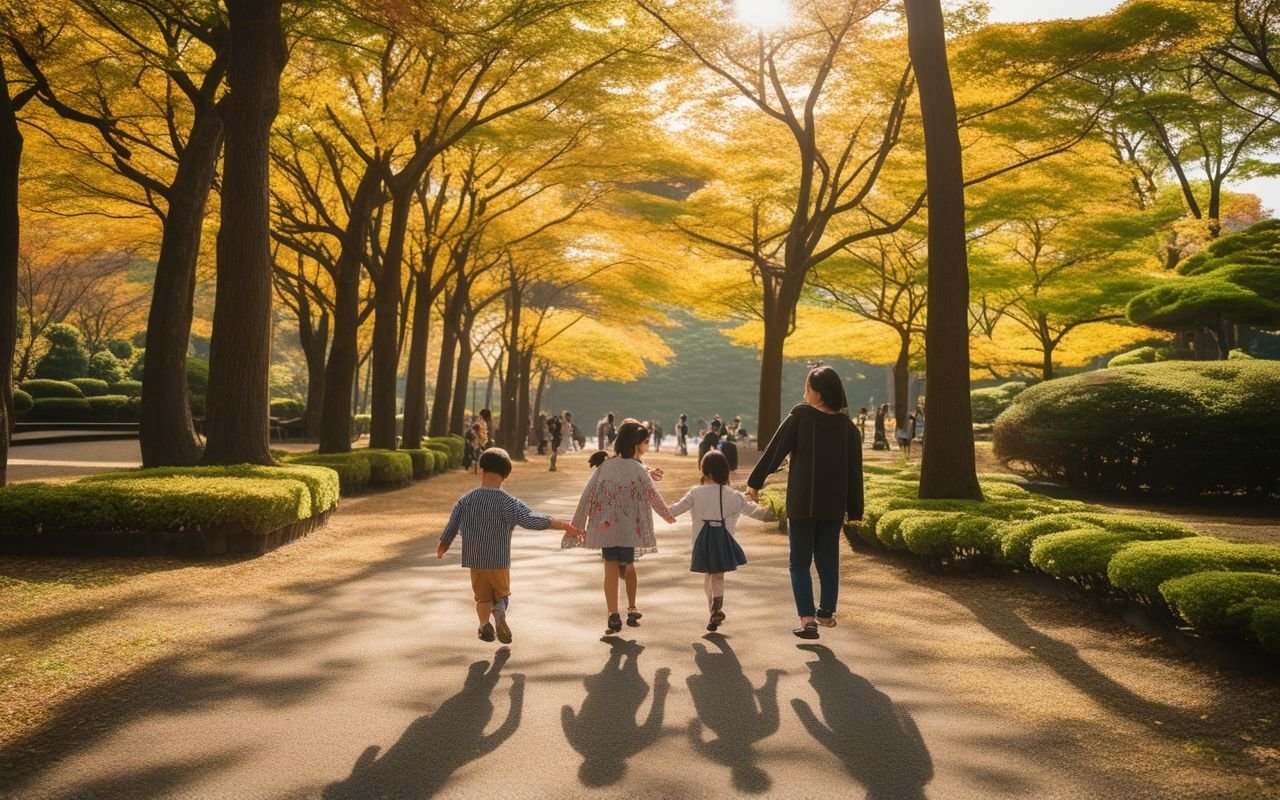
💬 Traveler's Note: I explored this destination during a school holiday trip and found it perfect for families. I tried several kid-friendly activities and can confidently recommend them for a stress-free vacation.
Japanese School Holiday Calendar 2026
| Holiday Period | Dates | Duration | Crowd Level | Price Impact |
|---|---|---|---|---|
| Spring Break | Late Mar - Early Apr | ~2 weeks | 🔴 Very High | +30-50% |
| Golden Week | Apr 29 - May 5 | ~1 week | 🔴 Extreme | +50-100% |
| Summer Break | Late Jul - Late Aug | ~5 weeks | 🟡 High | +20-30% |
| Autumn (no holidays) | Sep - Nov | — | 🟢 Moderate | Normal |
| Winter Break | Late Dec - Early Jan | ~2 weeks | 🟡 Variable | +50% (New Year) |
Crowd Survival Strategies by Holiday Period

Spring Break (Late March - Early April)
Challenge: Coincides with cherry blossom peak. Kamakura receives 500K+ visitors per weekend. Strategies:
Overview
Golden Week (April 29 - May 5)
Challenge: Japan's busiest travel period, Everything is crowded, expensive, and pre-booked. Strategies:
- Avoid major attractions entirely: Skip Kamakura, Hakone, and popular Yokohama spots
- Go to Miura Peninsula: Minimal tourists, fresh seafood, peaceful coastline
- Visit Odawara Castle: 300+ cherry trees with a fraction of Kamakura's crowds
- Use less-known transport: Shonan Monorail instead of Enoden; Ofuna instead of Kamakura
- Book early: Hotels sell out 3-4 months ahead. Reserve by January
- Accept the situation: If you must travel, budget for premium prices and plan for queues

Summer Break (Late July - Late August)
Challenge: Beach crowds at Shonan, fireworks events packed, Obon week (Aug 13-16) extreme. Strategies:
- Weekdays are manageable: Beaches are 70% less crowded Monday-Thursday
- Arrive before 9 AM: Beach parking and good spots fill by 9:30 AM
- Choose less popular beaches: Isshiki (Hayama) over Yuigahama (Kamakura); Zushi over Kugenuma
- Book fireworks tickets: Reserve paid seats (¥3,000-5,000) for Yokohama Sparkling Twilight
- Go inland: Hakone highlands are 5-8°C cooler than the coast
- Indoor afternoons: Schedule museums and shopping for 12-3 PM (hottest part of day)

Winter Break (Late December - Early January)
Challenge: New Year (Jan 1-3) is busy at temples; many shops close Jan 1-3. Strategies:
- Visit illuminations: Minato Mirai Winter Lights (free) are less crowded than temples
- Hatsumode (first shrine visit): Go very early on Jan 1 (5-6 AM) or wait until Jan 4+
- Check business hours: Many restaurants and shops close Jan 1-3. Convenience stores stay open
- Hakone onsen: Most ryokan operate normally — book ahead for New Year's kaiseki
- Mid-December sweet spot: December 10-21 offers illuminations, low crowds, and reasonable prices

Alternative Destinations: Your Holiday Escape Plan
When popular areas are packed, here's where to go instead:
| If This Is Packed | Go Here Instead | Why It Works | Travel Time from Tokyo |
|---|---|---|---|
| Kamakura | Ofuna | Same train line, 10 min before Kamakura, temples without crowds | 45 min |
| Kamakura | Odawara | Castle + cherry blossoms, fraction of Kamakura's crowds | 35 min (Shinkansen) |
| Hakone | Yugawara | Quieter onsen town, affordable ryokan, coastal views | 90 min |
| Hakone | Tanzawa Mountains | Excellent hiking, minimal tourists, autumn foliage | 90 min |
| Yokohama Minato Mirai | Kannai/Yamashita Park | More space, fewer crowds, same bay views | 2 min from Yokohama |
| Enoshima | Zushi/Hayama | Less commercialised beach areas, local atmosphere | 60 min |
| Shonan beaches | Miura Peninsula | Best kept secret, empty beaches, incredible seafood | 90 min |
⏰ Timing Your Visits: The Golden Hours
Regardless of which holiday period you're visiting, these timing rules apply everywhere:
| Time | Crowd Level | Best For |
|---|---|---|
| 6-8 AM | 🟢 Empty | Temple visits, beach walks, photography (best time!) |
| 8-10 AM | 🟡 Light | Major attractions (arrive at opening), breakfast |
| 10 AM-2 PM | 🔴 Peak | Avoid if possible — use this time for lunch + rest |
| 2-4 PM | 🟡 Moderate | Return to attractions after lunch crowds thin |
| 4-6 PM | 🟢 Light again | Golden hour photos, evening temple visits |
| 6 PM+ | 🟡 Moderate | Evening illuminations, dinner in less-touristy areas |
Golden rule: Be at your first attraction before 8 AM. Tour buses arrive from 9 AM. The 6-8 AM window gives you 2 hours of near-empty streets.
Budget Planning for Peak Season
| Expense | Normal Season | Golden Week | Cherry Blossom Peak | How to Save |
|---|---|---|---|---|
| Hotel (double, mid-range) | ¥8,000-12,000 | ¥15,000-25,000 | ¥12,000-20,000 | Book 3-4 months ahead |
| Ryokan (per person) | ¥15,000-25,000 | ¥30,000-50,000 | ¥25,000-40,000 | Avoid Hakone; try Yugawara |
| Romancecar (Hakone) | ¥2,470 | ¥2,470 (same) | ¥2,470 (same) | Book 1 month ahead for reserved seats |
| Restaurant dinner | ¥2,000-4,000 | ¥3,000-5,000 | ¥2,500-4,500 | Eat lunch (cheaper) instead of dinner |
| Attraction admission | Same year-round | Same | Same | Pre-book online skip-the-line tickets |

How to Get There During Peak Periods
To Kamakura: JR Yokosuka Line from Tokyo (1 hour). During Golden Week, take the earlier trains (before 7 AM) or use the Shonan-Shinjuku Line from Shinjuku to avoid the worst crowding.
To Hakone: Odakyu Romancecar from Shinjuku (reserved seat recommended — book 1 month ahead for holidays). Alternatively, take the JR Tokaido Line to Odawara, then transfer to the Hakone Tozan Railway.
To Yokohama: Multiple JR lines from Tokyo (25-35 minutes). The Minato Mirai Line from Shibuya is a good alternative during peak hours. To Enoshima: From Shinjuku, take the Odakyu Line to Katase-Enoshima (reserved seats available on limited express trains).
What I learned from experience is that carrying cash is still essential for smaller restaurants and temples.

Best Time to Visit
The ideal seasons for visiting Kanagawa are spring (March-May) and autumn (September-November) when temperatures are moderate and rainfall is minimal. Summer offers vibrant festivals and beach activities despite the humidity. Winter provides crisp clear days perfect for photography and sightseeing with fewer tourists. \n\n## What to Expect\n\nVisiting Kanagawa as a tourist offers a blend of urban convenience and natural beauty. Most attractions are within a 10-15 minute walk from train stations, with clear English signage at major locations. You'll find convenience stores (konbini) every few blocks for snacks, drinks, and ATM access. Public restrooms are available at stations and parks, though some older facilities may lack Western-style toilets. The area is generally very safe, even at night, but staying aware of your surroundings is always wise.\n\n\n### Nearby Recommendations\n\nIf you have extra time, the surrounding area offers several worthwhile additions to your itinerary. Local tourist information centers can provide maps and suggestions for combining nearby attractions into an efficient route. Many areas offer combination tickets that save money compared to buying individual admission tickets. Consider extending your stay to explore neighboring towns and villages.\n\n\n### Local Tips\n\nLocals recommend starting your day early to experience attractions before the crowds arrive. Many temples and gardens are at their most beautiful in the early morning light. Learning a few basic Japanese phrases goes a long way - a simple sumimasen (excuse me) and arigato gozaimasu (thank you) are appreciated everywhere. Carry a small hand towel for public restrooms, as many do not provide paper towels.\n\n\n## What to Bring\n\nSmart travelers to Kanagawa pack light and bring layers. The weather can shift from warm to cool within a day, especially in spring and autumn. A portable WiFi device or SIM card is essential for navigation and translation. Bring a small notebook and pen for jotting down recommendations or addresses. Hand sanitizer and tissues are useful as some public restrooms lack soap and paper towels. Consider packing a foldable tote bag for souvenirs and grocery shopping.\n\n\n## Budget Planning\n\nA daily budget of ¥8,000-12,000 covers mid-range meals, local transport, and one paid attraction. For budget travelers, ¥5,000-7,000 per day is feasible using convenience store meals and focusing on free attractions like parks and temples. Set aside extra cash for unexpected discoveries - some of the best experiences are unplanned. Use IC cards for seamless payment across trains, buses, and convenience stores. Exchange money at banks or post offices for better rates than airport counters.\n
Practical Tips
- Plan ahead: Book popular accommodations and restaurants 1-2 weeks in advance during peak seasons.
- Cash is king: Many smaller shops, temples, and local restaurants are cash-only. Carry sufficient yen.
- IC card: Get a Suica or Pasmo card at the airport for seamless train and bus travel across Kanagawa.
- Free WiFi: Available at major train stations and tourist information centers throughout the region.
- Luggage forwarding: Use takkyubin services to send luggage between hotels for hands-free exploration.
Frequently Asked Questions
Q: Q: When are Japanese school holidays in 2026?A:** A: Spring break: late March to early April (2 weeks). Golden Week: April 29 to May 5 (1 week). Summer break: late July to late August (5 weeks). Winter break: December 28 to January 4 (1 week). Autumn has NO school holidays — the best time to travel!
Q: Q: How crowded does Kamakura get during Golden Week?A:** A: Komachi-dori can be shoulder-to-shoulder. Trains from Tokyo run extra services but can have 30-minute boarding waits. Go to Odawara or Ofuna instead — you'll see cherry blossoms without the crowds.
Q: Q: Are prices higher during school holidays?A:** A: Hotels: +30-100% depending on the period. Ryokan in Hakone during Golden Week: double price. Book 3-4 months ahead for the best available rates. Restaurant prices stay the same but you'll queue.
Q: Q: What's the best strategy for a summer trip?A:** A: Weekdays + early mornings + indoor afternoons. Do outdoor activities 6-9 AM and 4-7 PM. Use 12-3 PM for air-conditioned museums and shopping. Book hotels with pools.
Q: Q: Do attractions close during New Year holidays?A:** A: January 1-3: many restaurants and shops close. Temples are busy (hatsumode). Convenience stores stay open. Plan temple visits for Jan 1 morning or wait until Jan 4. Check attraction calendars in advance.
Pro Tips
References & Sources
- Japan National Tourism Organization
- Kanagawa Tourism Official Site
- Ministry of Education (School Calendar)
Summary: Timing Is Everything
Kanagawa during school holidays is busier and more expensive, but with the right strategies — visiting off-peak attractions, starting early, and choosing weekday stays — you can still have a wonderful trip. The key is accepting that popular spots will be crowded and planning around that reality.
Three takeaways for holiday travel:
- Book everything 3-4 months ahead: Accommodation, Romancecar seats, and popular ryokan fill up first
- Explore alternatives: Odawara over Kamakura, Yugawara over Hakone, Miura over Shonan
- Timing is everything: 7 AM start=2 hours of empty streets. 9 AM start=2 hours of queues
Explore this guide to discover the best experiences Kanagawa has to offer. From lesser-known spots to popular attractions, this article covers everything you need to plan your visit. For more, see our Best Time to Visit Kanagawa and Miura Peninsula Guide.
Related Articles
For more details, see our guide to Kanagawa Capsule Hotel Guide 2026 — Unique & Affordable....
Conclusion
Kanagawa School Holiday Travel Guide 2026 — Planning... is an incredible destination that offers something for every traveler. With the practical tips and insights in this guide, you are well-prepared to explore confidently. Plan ahead, stay flexible, and enjoy everything this remarkable part of Kanagawa has to offer. Safe travels!