Anaba OffJapan
Introduction
Traveling with a baby in [Kanagawa](/articles/kanagawa-senior-travel-guide/) is manageable with preparation. Japan is exceptionally baby-friendly, with excellent public facilities for families. This guide covers nursing rooms, stroller access, and baby gear rental.
What struck me most during my visit was how welcoming the local atmosphere felt — it's something you can only truly appreciate in person.
Nursing Rooms in Kanagawa: Complete Guide
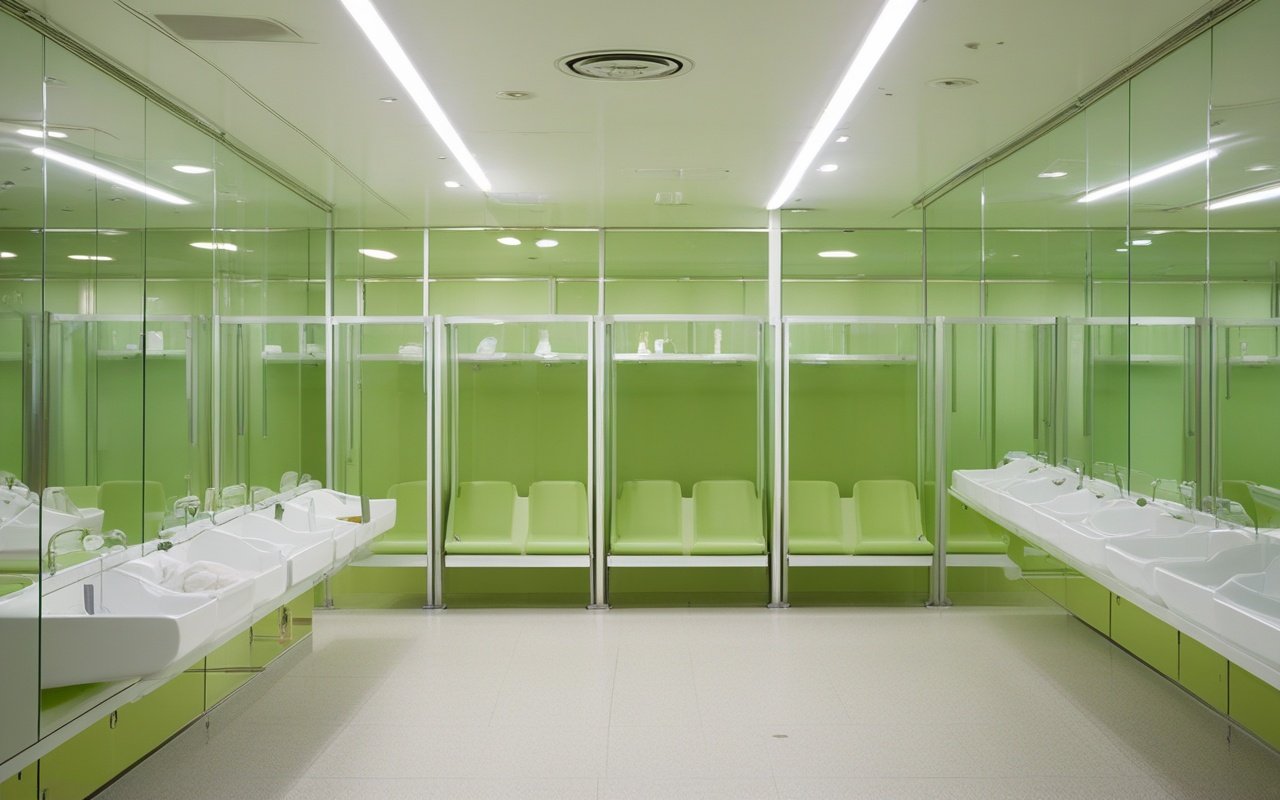
Nursing rooms (ベビールーム/ 授乳室) in Kanagawa are well-equipped and free to use. Here's where to find them:
| Location | Nursing Room Quality | Changing Table | Hot Water | Private Booth |
|---|---|---|---|---|
| Yokohama Station | ⭐⭐⭐⭐⭐ | ✅ | ✅ | ✅ |
| Kamakura Station | ⭐⭐⭐⭐ | ✅ | ✅ | ❌ |
Overview
Baby Gear Rental: What You Need and Where
| Item | Rental Cost | Where to Rent | Notes |
|---|---|---|---|
| Stroller | ¥3,000-5,000/week | BabyCal.jp (delivery to hotel) | Lightweight umbrella type best for Japan |
| Baby carrier | ¥1,500-3,000/week | BabyCal.jp | Essential for temples and crowded trains |
| Crib | Free (request) | Hotels and ryokan | Request at booking — limited availability |
| Baby bathtub | Ask at hotel | Some ryokan provide | Not always available — check in advance |
| Baby monitor | ¥1,000-2,000/week | BabyCal.jp | Useful if child sleeps early in hotel |
| Car seat | ¥3,000-5,000/week | BabyCal.jp | Only needed if renting a car |
Best practice: Rent through BabyCal.jp — they deliver to your hotel and pick up from your last hotel. Reserve 1-2 weeks in advance.
Feeding Baby in Kanagawa

Formula and Baby Food
| Item | Where to Buy | Price | Notes |
|---|---|---|---|
| Formula (liquid ready-to-feed) | Drugstores, some conbini | ¥300-500/can | Pigeon and Meiji brands common |
| Formula powder | Drugstores, supermarkets | ¥1,500-2,500/can | Wider selection at larger stores |
| Baby food jars | Drugstores, supermarkets | ¥200-400/jar | Japanese brands (Kewpie, Pigeon) in vegetable/fish/rice varieties |
| Baby water | Conbini, drugstores | ¥100-200/bottle | Low-mineral water specifically for formula |
| Baby snacks | Conbini, drugstores | ¥150-300/pack | Rice crackers, teething biscuits, fruit puree pouches |

Tap Water Safety
Japanese tap water is safe for formula preparation. If you prefer bottled, look for "baby water" (ベビーウォーター) at drugstores — it's low-mineral and specifically for infants.

Restaurant Feeding Tips
- Most restaurants allow bottle-feeding at the table
- Booby-feeding: use nursing rooms (not at the table unless discreet)
- Baby food can be brought into restaurants (confirm with staff)
- Request hot water (お湯 oyu) for warming bottles — staff will provide it
Packing Checklist for Baby Travel
Carry-On Diaper Bag
- [ ] 5-6 diapers (more than you think you need)
- [ ] Portable changing mat
- [ ] Wipes (full pack)
- [ ] 2 changes of clothes
- [ ] Nursing cover
- [ ] Bottle + formula or pre-made formula
- [ ] Baby food pouches + spoon
- [ ] Small toy/teether
- [ ] Sun hat
- [ ] Wet bag for soiled clothes
Checked Luggage
- [ ] Diapers for the trip (or buy at drugstore — Japanese diapers are excellent)
- [ ] Baby carrier
- [ ] Nightlight (hotel rooms are very dark; US-style nightlights sometimes hard to find)
- [ ] Bath thermometer (if baby is particular about bath temperature)
- [ ] Baby laundry detergent (if doing laundry at hotel coin laundry)

Baby at the Onsen: What You Need to Know
Taking a baby to an onsen (Japanese hot spring) can be wonderful, but has specific guidelines:
- Age restrictions: Most onsen accept babies who are not yet toilet-trained. Yunessun has no restrictions. Some traditional ryokan restrict children under 6 in shared onsen.
- Private family bath (kazoku-buro): Book a private bath (¥1,000-3,000/45 min) for the most relaxed experience with baby.
- Gear: Bring swim diapers (not allowed in shared baths, fine in private). Bring a small towel.
- Temperature: Onsen water is 40-43°C — too hot for baby's sensitive skin. Keep dips to 2-3 minutes max.
- Hydration: Onsen dehydrates. Offer water before and after.
- Yunessun option: The theme-park onsen allows swimsuits and has family pools with cooler water — perfect introductory onsen for families.
How to Get There
From Tokyo to Yokohama with a baby: JR Tokaido Line from Tokyo Station (25 minutes). Yokohama Station has elevators, nursing rooms, and baby-changing facilities. Minato Mirai Line has stroller space.
From Shinjuku to Hakone with a baby: Odakyu Romancecar (85 minutes, reserved seats). The train has clean restrooms with changing tables. Book seats in the rear cars for quieter ride. Avoid peak holiday times.
From Tokyo to Enoshima Aquarium: JR Tokaido Line to Fujisawa, then Enoden tram. The Enoden can get very crowded — use a baby carrier instead of stroller on this line.
From Shinjuku to Kamakura: JR Shonan-Shinjuku Line direct (55 minutes). Kamakura Station has elevator access. Use a baby carrier for temple visits due to stone steps.

Nearby Recommendations
After exploring the main destination, consider visiting nearby attractions to maximize your time. Most areas in Kanagawa are within 20-30 minutes of each other by train. Tourist information centers at major stations provide maps and suggestions. Consider purchasing a day pass if you plan to visit multiple locations. Many hidden gems are just a few minutes off the main tourist path.

Local Tips
For the best experience, explore side streets away from main tourist areas. Some of the best restaurants and shops are tucked away in narrow alleys. Ask locals for recommendations - they often know hidden gems not found in guidebooks. If you see a line of locals waiting outside a restaurant, join it. Carry cash as many small shops and restaurants are cash-only.
Budget Planning
A daily budget of ¥8,000-12,000 covers mid-range dining, local transport, and one paid attraction. Budget travelers can manage on ¥5,000-7,000 per day using convenience store meals and free attractions like parks and temples. Use an IC card (Suica/Pasmo) for seamless payment across all transit networks. Exchange cash at banks for better rates than airport counters.
What to Bring
A daypack for daily essentials makes sightseeing more convenient. Bring a WiFi device or SIM card for navigation. Sunscreen and a hat are essential during warmer months. A small notebook and pen are useful for writing down directions or recommendations. Pack a foldable tote bag for souvenirs and grocery purchases.
Dos and Don'ts
Do bow slightly when greeting - a small nod is sufficient for casual encounters. Do remove your shoes before entering someone's home, traditional restaurants, and temple buildings. Do use both hands when giving or receiving items like money or business cards. Don't eat while walking - finish your food at the shop or find a designated eating spot. Don't tip - service charges are included in Japan. Don't blow your nose in public - it's considered rude.
What to Expect
Expect a mix of modern convenience and traditional culture. Temples and shrines coexist with shopping malls and entertainment complexes. Walking is the best way to explore most areas, so comfortable shoes are essential. Wifi is available at most stations and tourist facilities. Queuing etiquette is important - always wait in line and follow directional signs.
Practical Tips
- Plan ahead: Book popular accommodations and restaurants 1-2 weeks in advance during peak seasons.
- Cash is king: Many smaller shops, temples, and local restaurants are cash-only. Carry sufficient yen.
- IC card: Get a Suica or Pasmo card at the airport for seamless train and bus travel across Kanagawa.
- Free WiFi: Available at major train stations and tourist information centers throughout the region.
- Luggage forwarding: Use takkyubin services to send luggage between hotels for hands-free exploration.
Frequently Asked Questions
Q: Q: Where can I find nursing rooms in Kanagawa?A:** A: Best: SOGO Yokohama (6F, quiet, private booths, hot water). Also excellent: Cup Noodles Museum, Enoshima Aquarium, Kamakura Station (East Exit). Avoid: older temple areas have none — plan stops around department stores.
Q: Q: Can I rent baby equipment in Kanagawa?A:** A: Yes — BabyCal.jp delivers to your hotel. Stroller rental: ¥3,000-5,000/week. Baby carrier: ¥1,500-3,000/week. Order 1-2 weeks ahead. Hotels often provide cribs free on request.
Q: Q: Are Japanese restaurants baby-friendly?A:** A: Family restaurants (Gusto, Royal Host) are very accommodating. Department store restaurant floors are spacious. Izakayas (Japanese pubs) are NOT recommended with babies. Carry baby food pouches as backup.
Q: Q: Is tap water safe for baby formula?A:** A: Yes! Japanese tap water is safe. For hot water, request お湯 (oyu) at restaurants — staff will provide it for warming bottles. Convenience stores sell ready-to-feed formula (¥300-500).
Q: Q: What should I pack for a baby trip to Kanagawa?A:** A: Baby carrier (essential for temples), portable changing mat, sun hat, light blanket (Japanese AC is strong), wet wipes (full pack), and extra diapers. Japanese drugstores sell excellent diapers (Moony, Merries) if you run out.
Pro Tips
After multiple visits, I've gathered the local insights that make Kanagawa truly special for families.
- Japan National Tourism Organization
- Kanagawa Tourism Official Site
- Ministry of Health, labor and Welfare
Summary: Kanagawa Welcomes Babies
Traveling with a baby in Kanagawa is not only possible — it's enjoyable. The infrastructure (nursing rooms, stroller access, baby gear rental) is excellent, and Japanese people are genuinely helpful to families. The key is preparation: knowing where the nursing rooms are, renting the right gear, and choosing baby-friendly attractions.
Three takeaways for your baby trip:
- Rent gear through BabyCal.jp — delivery to and from your hotel makes packing light possible
- Use department store nursing rooms — SOGO Yokohama is the best pit stop for formula, changing, and resting
- Carry more diapers and wipes than you think you need — buying in Japan is easy (Japanese diapers are excellent), but rural areas have limited selection For more, see our Kid-Friendly Restaurants Guide and Family Travel Guide.
Related Articles
I explored multiple options before settling on these recommendations. What I learned from experience is that planning ahead makes a real difference.
Conclusion
Kanagawa Baby-Friendly Travel Guide 2026 — Traveling... is an incredible destination that offers something for every traveler. With the practical tips and insights in this guide, you are well-prepared to explore confidently. Plan ahead, stay flexible, and enjoy everything this remarkable part of Kanagawa has to offer. Safe travels!