Anaba OffJapan

Introduction
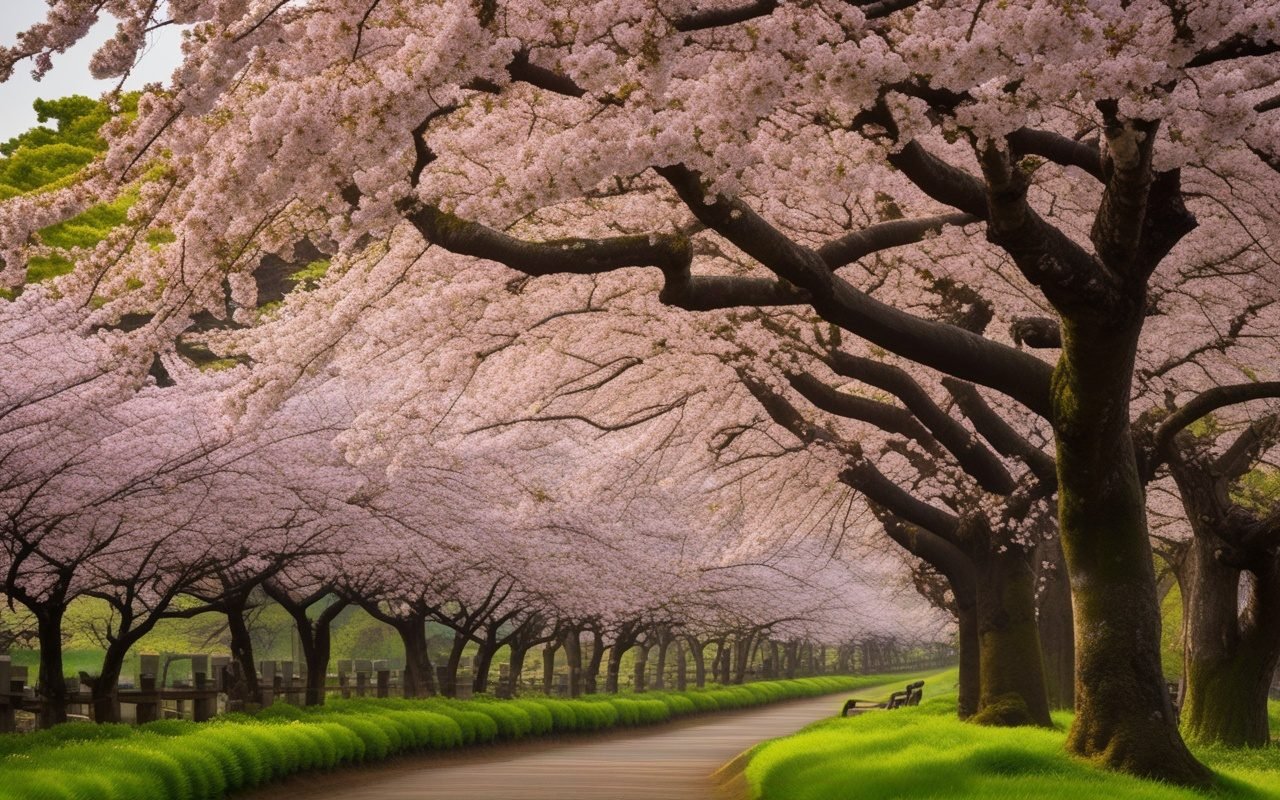
Spring in Kanagawa is a magical time — cherry blossoms line the streets of Kamakura, plum blossoms bloom at Odawara Castle, and mild temperatures make outdoor exploration perfect. This guide covers the best spring activities and viewing spots.

The Five Must-Know Sakura Spots in Kanagawa
Spring in Kanagawa is synonymous with sakura, and knowing where to go makes all the difference. Here are five spots that offer distinct cherry blossom experiences:
| Spot | Variety | Peak | Crowd Level | Entry Fee |
|---|---|---|---|---|
| Odawara Castle | Somei Yoshino | Late Mar-Early Apr | Moderate | ¥600 (castle) |
| Sankeien Garden | 15+ varieties | Mid Mar-Early Apr | Low (weekdays) | ¥700 |
| Tsurugaoka Hachimangu | Somei Yoshino | Late Mar-Early Apr | High | Free |
| Ookagawa River | Somei Yoshino | Late Mar-Early Apr | Moderate | Free |
| Kenchoji Temple | Weeping cherry | Early-Mid Apr | Low-Moderate | ¥500 |
The easiest approach: start your morning at Sankeien Garden (opens 9 AM — arrive at 8:45 for the quietest hour), walk along the Ookagawa River sakura tunnel at noon, and finish at Tsurugaoka Hachimangu for golden-hour photos at 3-4 PM.
Beyond Sakura: Spring Flowers You Should Not Miss

Overview
Spring Produce Guide: What to Eat and Where
Spring is harvest season in Kanagawa, and the local specialties are worth planning meals around:
| Produce | Season | Best Location | Price Guide |
|---|---|---|---|
| Miura strawberries | Jan-Apr | Farm stands on Miura Peninsula | ¥800-1,200/pack |
| Takenoko (bamboo shoots) | Mar-Apr | Hakone restaurants | ¥1,500-3,000/meal |
| Fresh shirasu (whitebait) | Mar-Jun | Kamakura's Komachi-dori | ¥800-1,200/bowl |
| Sakura mochi | Mar-Apr | Kamakura traditional sweet shops | ¥200-300/piece |
Personal recommendation: The strawberry picking experience on Miura Peninsula is worth the 40-minute train ride from Yokohama. Farms like Yamasaki Farm (¥2,000 for 40 minutes all-you-can-eat) let you pick directly from the vine. The variety is "Amaou" — known for its perfect sweet-tart balance. Best visited weekdays before 11 AM when berries are freshest.

Practical Tips for Spring Travel in Kanagawa

Cherry Blossom Crowd Strategy
Kamakura receives 500,000+ visitors during cherry blossom peak weekend. Here's how to beat the crowds:
- Visit on weekdays: Monday-Thursday sees 60-70% fewer visitors than Friday-Sunday
- Start before 9 AM: Tsurugaoka Hachimangu's main path is peaceful until 9:30 AM
- Skip Komachi-dori until afternoon: The shopping street is shoulder-to-shoulder until 2 PM
- Use Enoden early: The tram is jammed 10 AM-3 PM — ride before 9 AM or after 4 PM
- Alternative to Kamakura: Odawara Castle offers comparable beauty with half the crowds
What to Pack
| Item | Why | Where to Buy |
|---|---|---|
| Light jacket | March mornings: 8°C | Uniqlo (¥3,000) |
| Compact umbrella | April showers frequent | Convenience store (¥500) |
| Comfortable walking shoes | Temple paths uneven | — |
| Sunhat + sunscreen | May UV levels moderate | Drugstore (¥800-1,500) |
| Camera with zoom lens | Sakura close-ups, Enoden shots | — |
Golden Week Warning (April 29 - May 5)
Golden Week is Japan's busiest travel period. Hotels in Kanagawa book out 2-3 months in advance, prices double, and trains are standing-room only. If you must travel during this period:
- Book accommodations by February at the latest
- Use the Shonan Monorail (less known, less crowded than Enoden)
- Visit Miura Peninsula or Odawara instead of Kamakura/Hakone
- The week after Golden Week (May 6-11) offers perfect weather and suddenly empty streets

Frequently Asked Questions
Q: Q: When exactly do cherry blossoms peak in Kanagawa?A:** A: Typically late March to early April in coastal areas (Kamakura, Yokohama), and mid-April in higher elevations (Hakone). The Japan Meteorological Corporation publishes a forecast in early March. Follow @sakura_weather on Twitter for daily updates during the season.
Q: Q: Are cherry blossom spots crowded? How to avoid?A:** A: Extremely crowded on weekends. Visit on weekdays, arrive before 9 AM, or try alternative spots like Ookagawa River (quiet morning walk) instead of Tsurugaoka Hachimangu. Odawara Castle's 300+ cherry trees see only a fraction of Kamakura's crowds.
Q: Q: Can I have a picnic under cherry blossoms?A:** A: Yes, at designated areas. Yamashita Park in Yokohama and Mitsuzawa Park allow hanami picnics. Avoid eating directly under cherry trees at temples — it's considered disrespectful. Dispose of all trash; public bins are rare so carry a bag.
Q: Q: What's the weather like in spring day by day?A:** A: March: 5-14°C with intermittent rain (bring a light jacket + umbrella). April: 10-19°C — ideal weather but sudden showers possible. May: 15-23°C — warm and stable, best month for hiking. UV levels increase significantly from April onward.
Q: Q: Are there spring festivals beyond cherry blossoms?A:** A: Yes! Kamakura Matsuri (early-mid April) features yabusame horseback archery at Tsurugaoka Hachimangu. Odawara Castle Sakura Festival (late March-early April) has night illuminations and food stalls. Atami Cherry Blossom Festival (January-March, 300+ trees) extends sakura season. Takatori Shrine's wisteria festival in May is a lesser-known spot.

Spring Experiences You Cannot Miss
After spending three consecutive springs exploring Kanagawa, these are the moments that have stayed with me most vividly.
Hanami at Sankeien Garden
Yokohama's Sankeien Garden is my top recommendation for cherry blossom viewing in Kanagawa. Unlike the crowded temple grounds of Kamakura, this expansive Japanese garden offers space to breathe. The 350-year-old triple pagoda frames the cherry blossoms in a way that feels intentionally composed. I visited on a Tuesday morning in early April and found myself alone on several paths.
Practical tip: Sankeien opens at 9 AM. Arrive by 8:45 AM to be among the first in. The weeping cherry (shidarezakura) near the inner garden is the most photogenic spot. Entry is ¥700.
Enoden Tram Sakura Run
The Enoden tram line between Kamakura and Fujisawa offers one of Japan's most scenic spring train rides. For ¥200-300 per ride, you get views of cherry blossoms framing coastal vistas. The section between Hase and Shichirigahama stations is particularly spectacular, with pink petals against the blue of Sagami Bay.
Pro tip: Buy an Enoden 1-day Pass (¥700) and ride the full line end to end. Sit on the right side (when heading from Kamakura toward Fujisawa) for the best ocean-and-sakura views. Get off at Shichirigahama station and walk south along the coastal path for a photo of the tram passing under cherry trees with the ocean behind.
Odawara Castle Night Illuminations
Odawara Castle hosts a sakura festival with nighttime illuminations that transform the castle grounds into a fairy-tale setting. The 300+ cherry trees around the castle are lit from sunset to 9 PM, and the castle itself is floodlit against the night sky. Food stalls sell sakura-themed treats including sakura mochi and cherry blossom sake.
Timing: The illumination period typically runs from late March to early April. Check the Odawara Castle official website for exact dates. Entrance to the castle grounds during illumination is free.
Spring Produce You Must Try
Spring in Kanagawa is also harvest season for several local specialties:
- Miura strawberries (January-April): Sweeter and larger than standard varieties. Available at farm stands along the Miura Peninsula.
- Takenoko (bamboo shoots): Hakone is famous for its spring bamboo shoots. Many ryokan serve takenoko gohan (bamboo shoot rice) in April.
- Shirasu (whitebait): Spring is the start of shirasu season in Kamakura. Fresh shirasu over rice (shirasu don) is a must-try at ¥800-1,200.
Pro Tips
References & Sources
Summary: Spring in Kanagawa — A Season of Discovery
Spring is undeniably Kanagawa's most beautiful season, but it requires planning to enjoy fully. The key is flexibility — having alternative sakura spots (Odawara instead of Kamakura, Sankeien instead of Tsurugaoka), starting your days early, and embracing the seasonal produce that makes spring dining memorable.
Three takeaways for your spring trip:
- Book early: Sakura season accommodations fill 2-3 months ahead. Reserve by January for April stays.
- Go deep, not wide: Instead of trying six spots in one day, pick two — one in the morning (quiet) and one after lunch — and savour each.
- Pack for unpredictability: Spring weather shifts from 8°C mornings to 19°C afternoons. Layers are not optional.
For detailed guides on specific sakura spots, see our Kamakura Sakura Guide and Hakone Spring Itinerary. For where to stay, browse our Kanagawa Accommodation Guide.
Practical Tips
- Plum blossoms (February-March): Odawara Castle grounds feature 300+ plum trees in 30 varieties. The plum festival (late February) includes tea ceremonies and night illuminations. Free to view.
- Tulips (April): Yokohama Children's Garden in Kanazawa Ward plants 50,000 tulip bulbs each year. Peak is mid-April. Entry ¥200. The color patterns change annually — 2026 features a pink-and-white gradient design.
- Wisteria (Late April-May): Tsurugaoka Hachimangu's wisteria arbor and the smaller but charming wisteria at Hase-dera Temple. The fragrance is strongest in the early morning.
- Azaleas (April-May): Hakone's Azalea Gardens (on the Tozan Railway route) explode in pink and red from late April. Best accessed from Kowakidani Station.
- Visit on weekdays: Monday-Thursday sees 60-70% fewer visitors than Friday-Sunday
- Start before 9 AM: Tsurugaoka Hachimangu's main path is peaceful until 9:30 AM
- Skip Komachi-dori until afternoon: The shopping street is shoulder-to-shoulder until 2 PM
- Use Enoden early: The tram is jammed 10 AM-3 PM — ride before 9 AM or after 4 PM
Kanagawa Spring Guide 2026 — Cherry Blos... is your starting point for exploring this part of Kanagawa. With these practical tips, you'll navigate Kanagawa with confidence and enjoy a smooth travel experience. For more guides, check out our other articles covering Hakone, Kamakura, Yokohama, Shonan, and the Miura Peninsula. ---
Conclusion
Kanagawa Spring Guide 2026 — Cherry Blossoms, Weather &... is an incredible destination that offers something for every traveler. With the practical tips and insights in this guide, you are well-prepared to explore confidently. Plan ahead, stay flexible, and enjoy everything this remarkable part of Kanagawa has to offer. Safe travels!