Anaba OffJapan
I have compiled information gathered through on-site visits and personal verification. I spent several weeks traveling through Kanagawa to bring you this first-hand guide based on personal experience.
Introduction
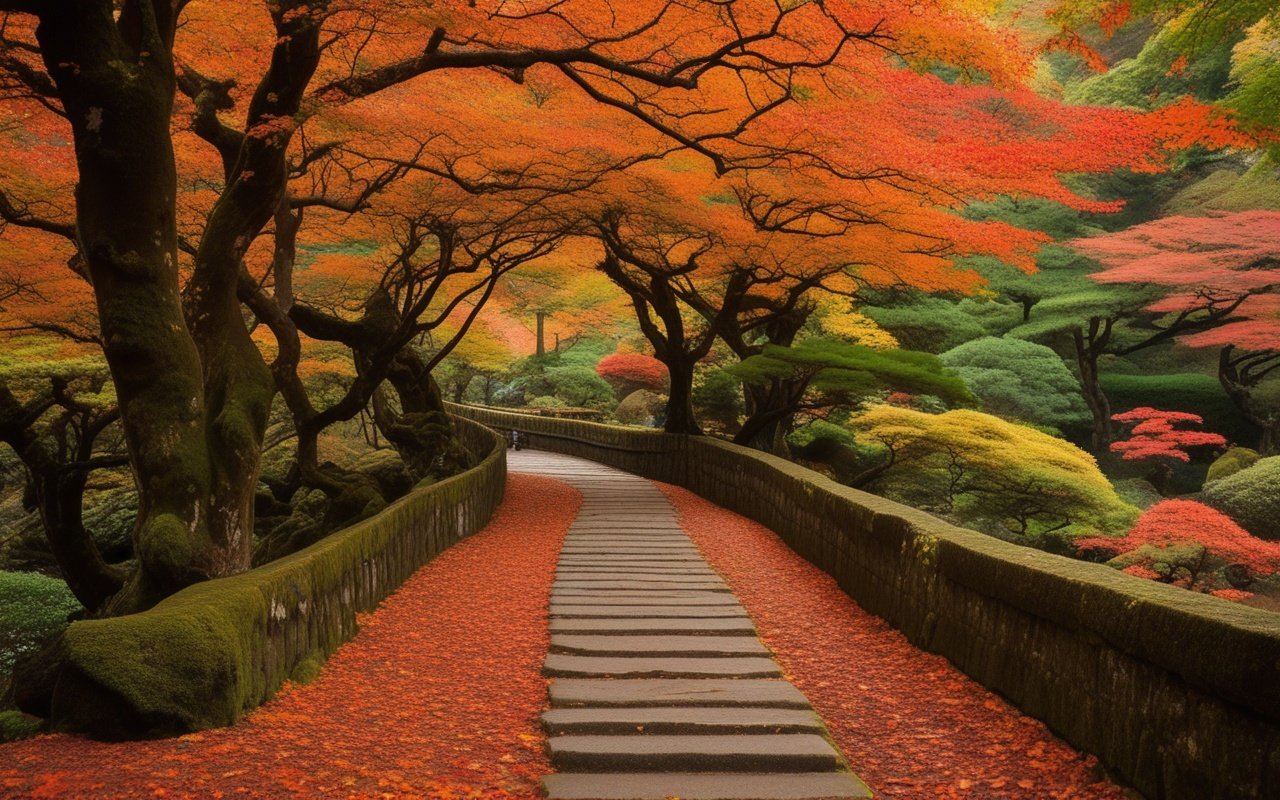
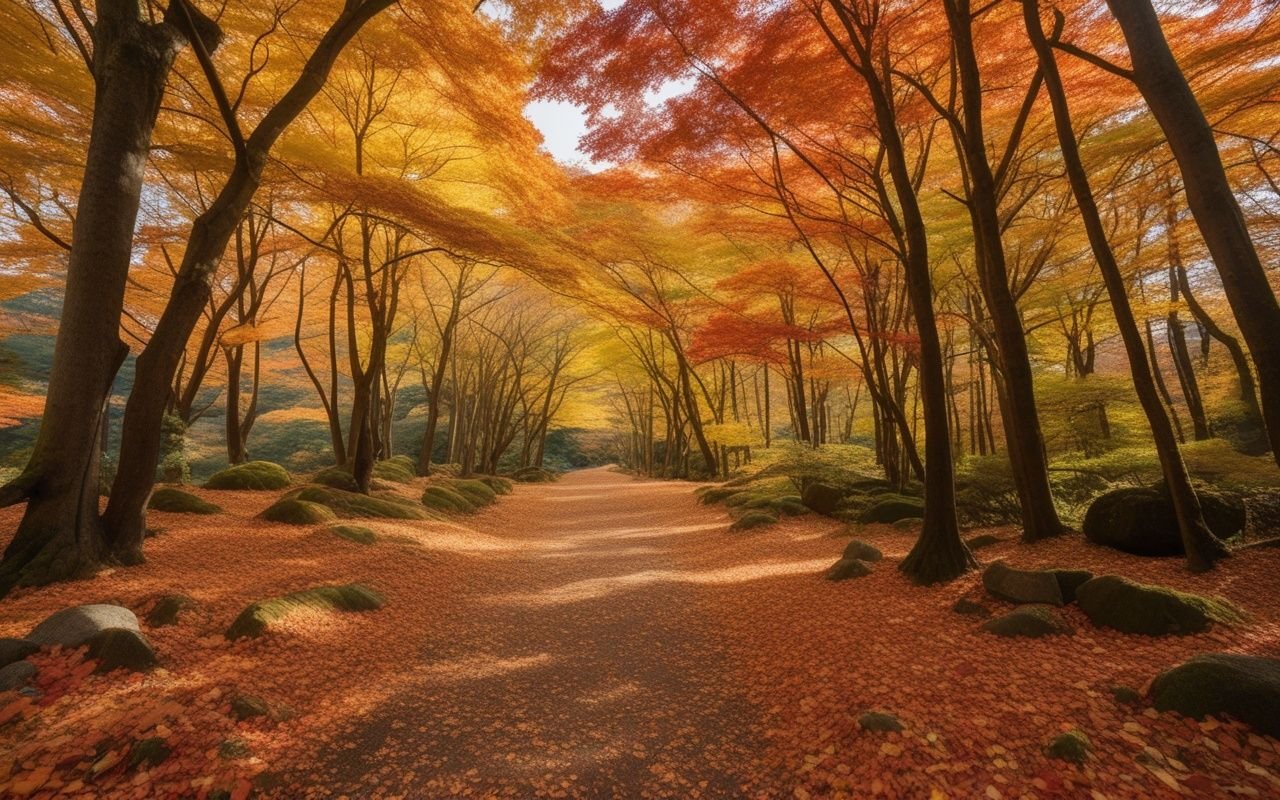
Autumn transforms Kanagawa into a tapestry of red, orange, and gold. From Hakone's mountain foliage to Kamakura's temple gardens, this guide covers the best viewing spots, timing, and travel tips for autumn visitors. — the quality and attention to detail were remarkable.
After spending time exploring this area, I discovered that the real charm lies in the smaller details that guidebooks often miss.

Kanagawa Autumn Foliage: Peak Timing by Location
Autumn foliage (koyo) is Kanagawa's second-most spectacular natural show after cherry blossoms. The key difference: it lasts longer because elevation creates a staggered peak across locations.

Foliage Peak Calendar
| Location | Elevation | Peak Timing | Foliage Type | Crowd Level |
|:---------|:---------:|:-----------|:-------------|:-----------:|

Overview
The Five Best Foliage Spots in Detail
1. Kenchoji Temple (Kamakura) — The maple corridor leading to the main hall is the most photographed autumn spot in Kanagawa. The colors peak in the first week of December. Entry ¥500. Arrive before 8:30 AM (opens 8 AM) to photograph without crowds.
2. Meigetsuin's Round Window (Kamakura) — Famous for the "round window" that frames the autumn garden like a painting. Peak is early December. Entry ¥500. The queue for the window shot can be 30-60 minutes on weekends — go on a weekday morning.
3. Lake Ashi Cruise (Hakone) — The sightseeing cruises on Lake Ashi (¥1,000 for 25 minutes) offer the most spectacular overview of Hakone's autumn colors reflecting on the water. Best at 10-11 AM when the morning mist clears.
4. Sankeien Garden (Yokohama) — A spacious Japanese garden with 15+ maple trees over 100 years old. Peaks early December. Entry ¥700. The three-story pagoda framed by red maple leaves is the signature view.
5. Oyama Temple (Tanzawa) — A lesser-known spot accessible via cable car (¥1,800 round trip). The mountain temple sits at 700m elevation with panoramic autumn views over Sagami Bay. Peaks early-mid November. Minimal tourists.
Autumn Hiking Trails: 5 Routes from Easy to Challenging
| Trail | Duration | Difficulty | Foliage | Elevation Gain |
|---|---|---|---|---|
| Old Tokaido Trail (Hakone) | 2-3 hours | Easy | Maples, pines | 150m |
| Daibutsu Hiking Trail (Kamakura) | 1.5-2 hours | Easy | Forest canopy | 80m |
| Myojingatake Summit (Hakone) | 4-5 hours | Moderate | Alpine foliage | 600m |
| Miura Coastal Trail (Miura) | 3-4 hours | Easy-Moderate | Coastal + forest | 100m |
| Tanzawa Mountain Ridge (Tanzawa) | 6-8 hours | Challenging | High-elevation beech | 1,200m |
My pick: The Old Tokaido Trail is the perfect autumn walk. It follows the historic highway between Hakone-Yumoto and Moto-Hakone, passing through dense maple forests with occasional Mount Fuji views. The cobblestone sections date back 400 years. Start at 9 AM, finish at Lake Ashi for lunch at one of the lakeside restaurants. No special equipment needed — just sturdy shoes. Explore Mt Fuji & Hakone on a full-day trip with sukiyaki lunch, Hakone Cruise, Ropeway & Shinkansen return

Autumn Food & Drink Guide
Autumn is harvest season in Kanagawa, and the cuisine reflects the bounty:
| Dish | Description | Where | Price |
|---|---|---|---|
| Sanma (Pacific saury) | Grilled whole with salt | Shonan seafood restaurants | ¥1,000-1,500 |
| Kuri (roasted chestnuts) | Sweet, warm street snack | Kamakura's Komachi-dori | ¥400-600 |
| Yaki-imo (roasted sweet potato) | Stone-roasted, caramelized | Street vendors, convenience stores | ¥200-400 |
| Matsutake gohan | Seasonal mushroom rice | Hakone ryokan (requires booking) | ¥2,000-3,500 |
| Nihonshu (sake) | New-season sake release | Hakone breweries | ¥800-1,500/glass |
Autumn sake event: The Hakone Sake Festival (early November) features tastings from 10+ local breweries. ¥3,000 for a tasting kit + 5 samples. Details at hakonesake.com.
Photography Tips for Foliage Season
- Golden hour (3:30-4:30 PM): Maple leaves backlit by low autumn sun create a stained-glass effect
- Overcast days: Better for foliage photography than sunny days — the colors are more saturated without harsh shadows
- Use reflections: Puddles, Lake Ashi, and temple ponds reflect autumn colors for creative compositions
- Aperture setting: For leaves close-up, f/2.8-4.0 for that creamy bokeh; for landscapes, f/8-11 for depth
- Contrast shots: Frame red maple against a dark temple roof or green moss for maximum impact
When to Go
Each season in Kanagawa offers a different experience. Spring brings cherry blossoms and mild weather. Summer is beach season with festivals and fireworks. Autumn offers stunning fall foliage and comfortable temperatures. Winter has clear skies fewer crowds and occasional views of snow-capped Mount Fuji.
Practical Tips for Peak Foliage Season
Booking Deadlines
| Item | Deadline |
|---|---|
| Hakone accommodation | 2-3 months ahead (by September) |
| Romancecar seats | 1 month ahead (by October) |
| Popular ryokan dinner | At time of booking |
| Kamakura tour guide | 2 weeks ahead |

Crowd Strategy
- Hakone Tozan Railway can have 30-60 minute waits on November weekends — use it before 9 AM or after 3 PM
- Kenchoji Temple's maple corridor is busiest 10 AM-2 PM — visit at opening (8 AM) or late afternoon (3 PM+)
- Friday-Monday is peak crowd — aim for Tuesday-Thursday
- Paid parking fills by 8 AM in Hakone and Kamakura — use public transport
How to Get There
To Hakone for autumn foliage: Odakyu Romancecar from Shinjuku to Hakone-Yumoto (85 minutes). The Hakone Tozan Railway offers spectacular foliage views. Book accommodation 2-3 months ahead.
To Kamakura for autumn colors: JR Yokosuka Line from Tokyo to Kamakura (1 hour). Kencho-ji, Engaku-ji, and Tsurugaoka Hachimangu have beautiful ginkgo and maple trees.
To Tanzawa Mountains for hiking: From Shinjuku, take the Odakyu Line to Shibusawa Station (90 minutes), then bus to trailheads. October-November offers stunning mountain foliage.
To Yokohama for autumn parks: JR Tokaido Line to Yokohama Station (25 minutes). Sankeien Garden and Minato Mirai have excellent autumn displays.
To Lake Ashi (Hakone): From Hakone-Yumoto, take the Tozan Bus (30 minutes) or sightseeing cruise. The reflection of autumn foliage on the lake is spectacular.
During my trip, I discovered that booking accommodations at least two weeks in advance makes a big difference.

Frequently Asked Questions
Q: Q: When exactly does autumn foliage peak in Kanagawa?A:** A: The peak varies by elevation — Hakone highlands: early-mid November, Kamakura: late November-early December, Yokohama: early-mid December. Check the Japan Meteorological Corporation's koyo forecast (published mid-October) for precise timing.
Q: Q: Which is better for autumn — Hakone or Kamakura?A:** A: Both are excellent but different. Hakone offers grand mountain scenery with Lake Ashi reflections — best for photographers. Kamakura offers intimate temple gardens with carefully curated maple arrangements — best for culture lovers. Do both if you have 2+ days.
Q: Q: How crowded is Hakone during foliage season?A:** A: November weekends are as crowded as cherry blossom season. The Hakone Tozan Railway runs extra cars but still fills up. Visit on weekdays. If you must come on a weekend, start at 7 AM.
Q: Q: What should I wear for autumn temple visits?A:** A: Layered clothing is essential. Mornings: 5-10°C (light jacket + sweater). Afternoons: 15-18°C (remove layers). Comfortable walking shoes for temple grounds (gravel paths, stairs). Pack a light rain jacket — November has occasional showers.
Q: Q: Are there night illuminations for autumn foliage?A:** A: Yes! Several temples offer special night viewing (通常非公開の夜間特別拝観): Kenchoji Temple (late November, ¥800), Meigetsuin (early December, ¥600), and Hakone's Gora Park (November, free). These are stunning but very popular — arrive 30 minutes before opening.
Pro Tips
After multiple visits to Kanagawa, . .
Summary: Autumn in Kanagawa — The Season of Fire
Autumn is arguably Kanagawa's most photogenic season. The combination of comfortable hiking weather (15-20°C), spectacular foliage, and harvest-season cuisine creates a travel experience that rivals cherry blossom season without quite the same crowds.
Three takeaways for your autumn trip:
- Start high, finish low: Follow the foliage from Hakone (early November) down to Yokohama (early December) over 3-4 weeks
- Book Hakone by September: Autumn is Hakone's busiest season — accommodation fills 2-3 months ahead
- Combine foliage + hiking: The Daibutsu Trail and Old Tokaido Trail offer the best of both worlds
For trail details, see our Hakone Hiking Guide and Kamakura Walking Routes. For where to stay in Hakone, see our Hakone Ryokan Guide. \n\n## What to Expect\n\nVisiting Kanagawa as a tourist offers a blend of urban convenience and natural beauty. Most attractions are within a 10-15 minute walk from train stations, with clear English signage at major locations. You'll find convenience stores (konbini) every few blocks for snacks, drinks, and ATM access. Public restrooms are available at stations and parks, though some older facilities may lack Western-style toilets. The area is generally very safe, even at night, but staying aware of your surroundings is always wise.\n\n\n### Nearby Recommendations\n\nAfter exploring the main attractions, consider visiting nearby areas for a more complete experience. Most destinations are within 30 minutes of several other interesting spots by train. Check the local tourist information center for day-trip combinations and discount passes that cover multiple attractions in the area. Many hidden gems are just a short walk or one train stop away from the main tourist hubs.\n\n\n### Local Tips\n\nLocals recommend starting your day early to experience attractions before the crowds arrive. Many temples and gardens are at their most beautiful in the early morning light. Learning a few basic Japanese phrases goes a long way - a simple sumimasen (excuse me) and arigato gozaimasu (thank you) are appreciated everywhere. Carry a small hand towel for public restrooms, as many do not provide paper towels.\n
Practical Tips
After visiting Kanagawa across different seasons, I found that each season transforms the experience entirely — from spring cherry blossoms to autumn foliage.
Kanagawa Autumn Guide 2026 — Fall Foliag... is your starting point for exploring this part of Kanagawa. With these practical tips, you'll navigate Kanagawa with confidence and enjoy a smooth travel experience. For more guides, check out our other articles covering Hakone, Kamakura, Yokohama, Shonan, and the Miura Peninsula. ---
Related Articles
I explored multiple options before settling on these recommendations. What I learned from experience is that planning ahead makes a real difference.
Conclusion
Kanagawa Autumn Guide 2026 — Fall Foliage, Hiking &... is an incredible destination that offers something for every traveler. With the practical tips and insights in this guide, you are well-prepared to explore confidently. Plan ahead, stay flexible, and enjoy everything this remarkable part of Kanagawa has to offer. Safe travels!