Anaba OffJapan
Introduction
Kanagawa's festival calendar is packed year-round with firework displays, historical processions, and local celebrations. This guide covers the major festivals month by month with attendance tips and transport advice.

Month-by-Month Festival Calendar

January
| Festival | Location | Date (2026) | What to Expect | Crowd | Entry |
|---|---|---|---|---|---|
| Hakone Ekiden | Hakone-Tokyo | Jan 2 | University relay race — national obsession | 🔴 Very high | Free along route |
| Hatsumode | All temples/shrines | Jan 1-3 | First shrine visit — Tsurugaoka Hachimangu gets 2M people | 🔴 Extreme | Free |
| Daruma Market | Kawasaki | Jan 20-21 | buy daruma dolls for good luck | 🟡 Moderate | Free |
Tip: New Year's at Tsurugaoka Hachimangu is an amazing atmosphere but prepare for 1+ hour queues. Go early (5-6 AM Jan 1) or late (Jan 4+).
February
| Festival | Location | Date | What to Expect |
|---|---|---|---|
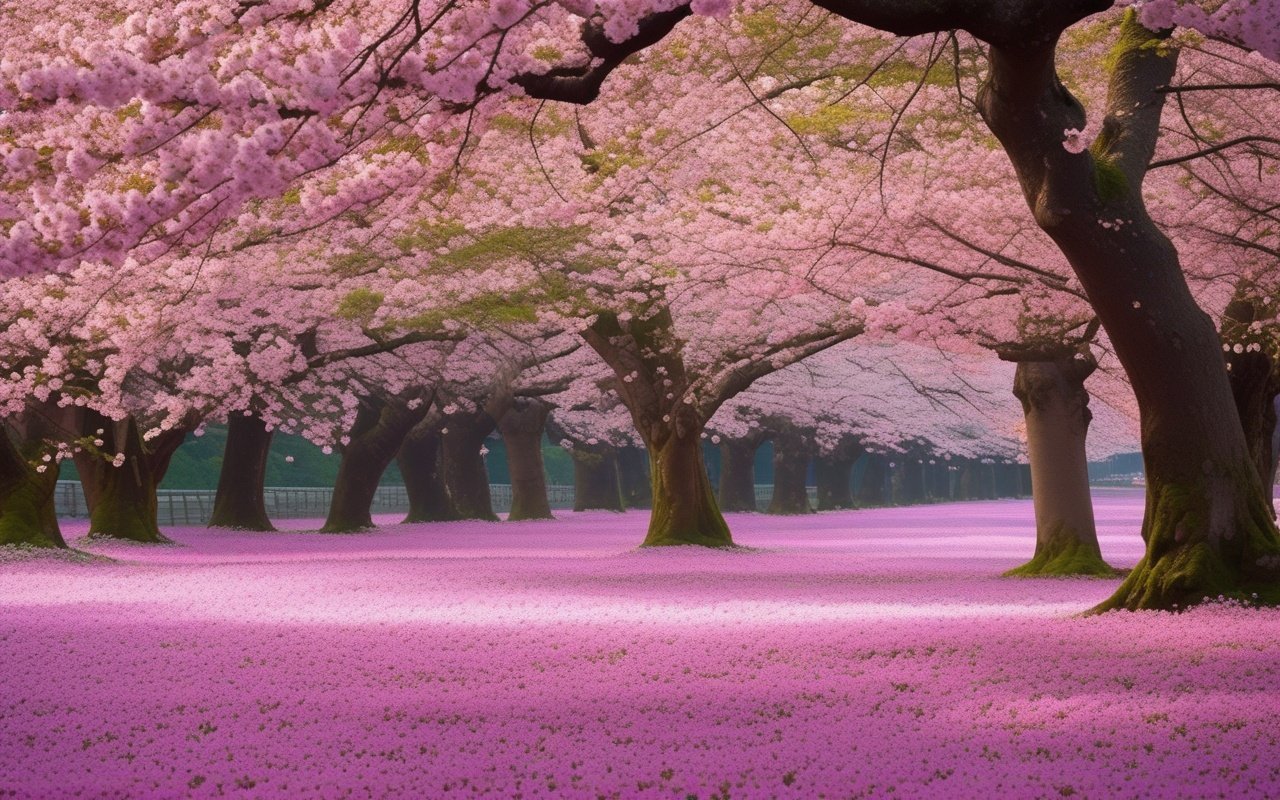
| Odawara Plum Blossom Festival | Odawara Castle | Early Feb-Early Mar | 300+ plum trees, night lights (weekends) |
Overview
March
| Festival | Location | Date | What to Expect |
|---|---|---|---|
| Odawara Castle Sakura Festival | Odawara Castle | Late Mar-Early Apr | Night lights. 300+ cherry trees |
| Early cherry blossoms | Various parks | Late Mar | Start of sakura season |

April
| Festival | Location | Date | What to Expect | Entry |
|---|---|---|---|---|
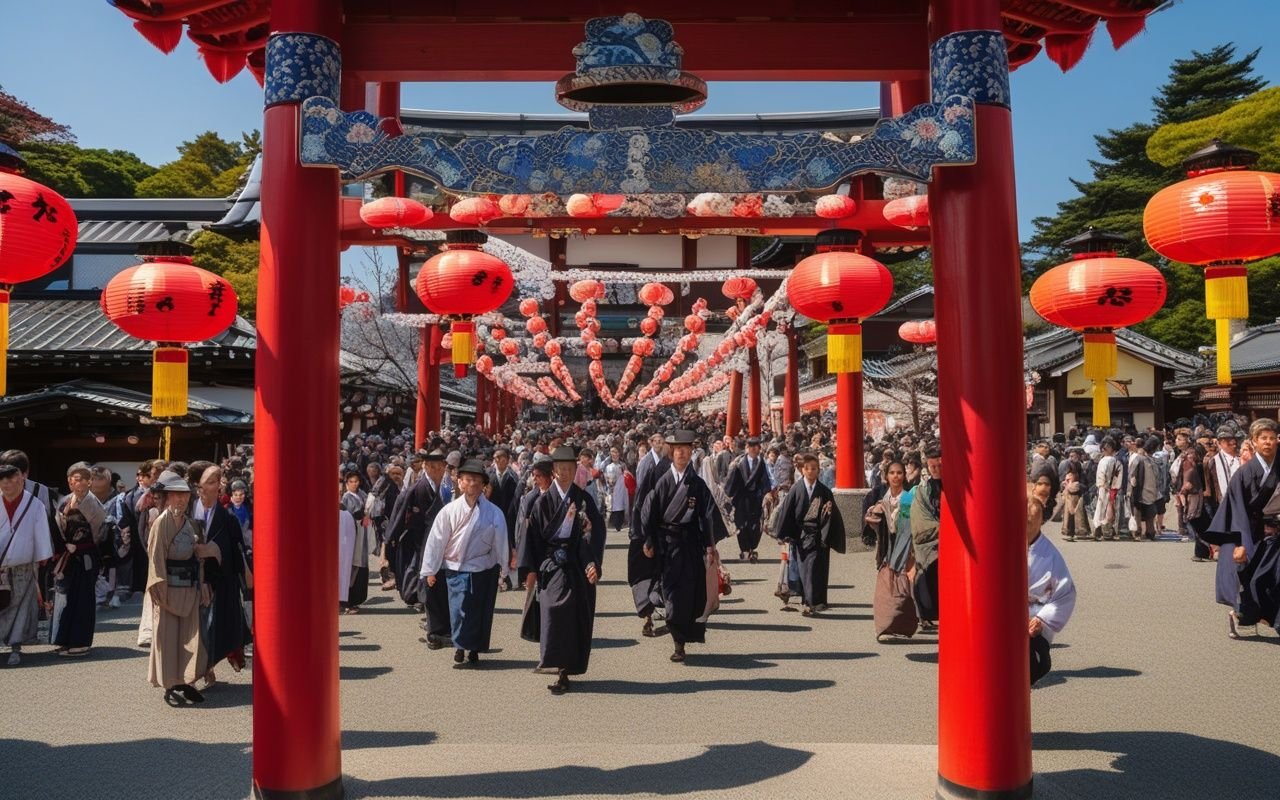
| Kamakura Matsuri | Tsurugaoka Hachimangu | Early-Mid Apr | Yabusame (horseback archery). music | Free |
| Kamakura Cherry Blossom | Various temples | Early Apr | Peak sakura — Temples are packed | Temple fees apply |
| Yokohama Port Opening | Yamashita Park | Early Apr | Commemorates 1859 port opening, ship tours | Free |
Yabusame viewing tip: Arrive 2 hours early for a good spot. The archery is held on the main approach to Tsurugaoka Hachimangu. Best views: near the first arch (ichino-torii).

May
| Festival | Location | Date | What to Expect |
|---|---|---|---|
| Odawara Hojo Godai Festival | Odawara Castle | Early May | 1,000+ samurai in armor, yabusame |
| Yokohama Jazz Promenade | Multiple venues | Early May | 200+ live jazz performances across the city |
| Hakone Azalea Festival | Hakone (Gora area) | Mid-Late May | 50,000+ azalea bushes in bloom |
June
| Festival | Location | What to Expect |
|---|---|---|
| Hydrangea Festival | Meigetsuin, other Kamakura temples | 2,500+ hydrangea bushes — Meigetsuin is the most famous |
| Yokohama Port Festival | Yamashita Park | Parade, international food fair |
July
| Festival | Location | What to Expect |
|---|---|---|
| Yokohama Sparkling Twilight | Yamashita Park | 15,000+ shells — best fireworks in Kanagawa. Arrive 3 hours early |
| Tanabata | Multiple locations | Star festival — wish paper strips on bamboo |
| Enoshima Lantern Festival | Enoshima Island | 1,000+ lanterns illuminated at night, July-August |
August
| Festival | Location | What to Expect |
|---|---|---|
| Kamakura Fireworks | Yuigahama Beach | 4,000 shells shot over the water. Best viewed from beach |
| Odawara Komagataze Fireworks | Odawara Port | 5,000 shells, countdown-style finale |
| Miura Fireworks | Miura Peninsula | Intimate. Least crowded fireworks |
| Bon Odori | Various neighborhoods | Traditional summer dancing, food stalls |
September
| Festival | Location | What to Expect |
|---|---|---|
| Enoshima Fireworks | Enoshima coast | Multiple weekend dates. 3,000 shells |
October
| Festival | Location | What to Expect |
|---|---|---|
| Yokohama Oktoberfest | Minato Mirai | German beer festival, food stalls |
| Nakizumo (Crying Baby Festival) | Various shrines | Sumo wrestlers hold babies — first to cry wins!. Unique |
| Halloween | Minato Mirai | Cosplay parade, family-friendly events |
November
| Festival | Location | What to Expect |
|---|---|---|
| Hakone Daimyo Gyoretsu | Hakone Yumoto | 180+ people in feudal lord costume. 1km procession |
| Sankei-en Autumn lights | Yokohama | Night-time foliage lights. ¥700 |
| Hakone Sake Festival | Hakone Gora | Tastings from 10+ breweries. ¥3,000 |
December
| Festival | Location | What to Expect |
|---|---|---|
| Minato Mirai Winter Lights | Yokohama | 10M+ LEDs. FREE |
| Christmas Markets | Red Brick Warehouse | German mulled wine, artisans |
| Hase-dera Winter lights | Kamakura | Candlelight. Very atmospheric |
| Sagamiko Illumillion | Sagamiko | 6M+ LEDs, one of Japan's largest. ¥1,500 |
Pro Tips for Festival Attendance
| Festival Type | Arrival Time | Bring | Cost |
|---|---|---|---|
| Fireworks | 2-3 hours early | Blue tarp (¥300 Daiso). fan | Free ¥2,000-5,000 (paid seats) |
| Parades | 1-2 hours early | Small stool, camera | Free |
| Temple ceremonies | 30 min early | Cash for offering (¥100-500). camera | Free-¥1,000 |
| Night lights | At opening | Tripod (for photos). warm clothing | ¥400-1,500 |
| Food festivals | Lunch or early dinner | Cash, appetite | ¥500-2,000/person for food |
Budget for festivals: Carry ¥3,000-5,000 per person for festival food (takoyaki, Planning ahead makes your Kanagawa trip smoother. The official Kanagawa Tourism website (www.kanagawa-kankou.or.jp) offers multilingual guides and downloadable maps. The Japan National Tourism Organization (JNTO) also provides great resources for first-time visitors, including cultural etiquette guides and emergency contact info.
How to Get There
To Yokohama festivals: JR Tokaido Line to Yokohama Station (25 minutes from Tokyo). Most Yokohama festivals are within walking distance of Minato Mirai Line stations. To Kamakura festivals: JR Yokosuka Line to Kamakura Station (1 hour from Tokyo). Major festivals center around Tsurugaoka Hachimangu (10-minute walk from station). To Hakone festivals: Odakyu Romancecar from Shinjuku to Hakone-Yumoto (85 minutes). Festival locations include Gora, Lake Ashi, and Hakone Shrine areas. To Enoshima festivals: Odakyu Limited Express from Shinjuku to Katase-Enoshima (65 minutes). The Enoshima Lantern Festival and autumn lights are at the Enoshima Sea Candle. To Odawara festivals: JR Tokaido Shinkansen to Odawara (35 minutes from Tokyo). The Odawara Hojo Godai Festival (May) and Odawara Summer Festival are major events. I found that having a prepaid IC card saved me significant time navigating between attractions.

Best Time to Visit
The ideal seasons for visiting Kanagawa are spring (March-May) and autumn (September-November) when temperatures are moderate and rainfall is minimal. Summer offers vibrant festivals and beach activities despite the humidity. Winter provides crisp clear days perfect for photography and sightseeing with fewer tourists. \n\n## What to Expect\n\nVisiting Kanagawa as a tourist offers a blend of urban convenience and natural beauty. Most attractions are within a 10-15 minute walk from train stations, with clear English signage at major locations. You'll find convenience stores (konbini) every few blocks for snacks, drinks, and ATM access. Public restrooms are available at stations and parks, though some older facilities may lack Western-style toilets. The area is generally very safe, even at night, but staying aware of your surroundings is always wise.\n\n\n### Nearby Recommendations\n\nAfter exploring the main attractions, consider visiting nearby areas for a more complete experience. Most destinations are within 30 minutes of several other interesting spots by train. Check the local tourist information center for day-trip combinations and discount passes that cover multiple attractions in the area. Many hidden gems are just a short walk or one train stop away from the main tourist hubs.\n\n\n### Local Tips\n\nLocals recommend starting your day early to experience attractions before the crowds arrive. Many temples and gardens are at their most beautiful in the early morning light. Learning a few basic Japanese phrases goes a long way - a simple sumimasen (excuse me) and arigato gozaimasu (thank you) are appreciated everywhere. Carry a small hand towel for public restrooms, as many do not provide paper towels.\n\n\n## What to Bring\n\nSmart travelers to Kanagawa pack light and bring layers. The weather can shift from warm to cool within a day, especially in spring and autumn. A portable WiFi device or SIM card is essential for navigation and translation. Bring a small notebook and pen for jotting down recommendations or addresses. Hand sanitizer and tissues are useful as some public restrooms lack soap and paper towels. Consider packing a foldable tote bag for souvenirs and grocery shopping.\n\n\n## Money-Saving Tips\n\nKanagawa offers many ways to save money without sacrificing experience. Purchase a day pass if you plan to visit multiple attractions in one area. Eat lunch at local department store basements (depachika) where prepared foods are high quality and reasonably priced. Look for discount tickets at convenience store ticketing machines. Consider staying in business hotels or capsule hotels in less central locations for significant savings. Many museums and temples offer discounts for students and seniors.\n
Photo Tips
For the best travel photos in Kanagawa, visit popular spots early morning (7:00-9:00 AM) when the light is soft and crowds are minimal. Golden hour (just before sunset) provides warm, dramatic lighting perfect for landscapes. Many temples and gardens are designed to be photographed from specific viewpoints - look for the intended composition. A polarizing filter helps reduce glare when shooting through glass or water. Respect no-photography signs inside temple buildings and museums.
Dos and Don'ts
Do carry cash as many smaller establishments are cash-only. Do be punctual for any scheduled activities or meetings. Do use the designated smoking areas rather than smoking on the street. Don't talk loudly on trains or buses - keep phone calls brief. Don't enter restricted areas at temples and shrines. Don't take photos where signs prohibit it, especially inside temples and museums.
Frequently Asked Questions
Q: Q: What are the biggest festivals in Kanagawa?A: A: Yokohama Sparkling Twilight (fireworks. Kamakura Matsuri (horseback archery. Hakone Daimyo Gyoretsu (feudal procession. Enoshima Lantern Festival (July-August). and Odawara Hojo Godai Festival (samurai parade. Q: Q: Are festivals free to attend?A: A: Most outdoor festivals are free. Fireworks may have paid reserved seats (¥2,000-5,000). Food and activities are pay-as-you-go — bring ¥3,000-5,000 per person. Q: Q: When are the best fireworks festivals?A: A: Yokohama Sparkling Twilight (July, 15,000 shells) is the biggest. Kamakura Fireworks (August) is iconic. Miura Fireworks is the least crowded. All draw huge crowds — bring a tarp and arrive 2-3 hours early. Q: Q: What should I wear to a festival?A: A: Summer: light clothing, comfy shoes, small fan, sun protection, insect repellent. Yukata (summer kimono) is traditional — rental shops near festivals start at ¥3,000 for dress-up. Avoid open-toe shoes in crowded areas. Q: Q: Can I take photos at festivals?A:** A: Yes! photos welcome at most festivals. Fireworks: use a tripod (if allowed) and manual focus (auto-focus struggles with shells). Night events: don't use flash — it disturbs performers. Be respectful of people behind you if holding camera above head.
Pro Tips
Pro Tip: For fireworks festivals, buy a paid reserved seat (¥2,000-5,000) if available. The free area fills up 2-3 hours early, but reserved seats let you arrive 15 minutes before showtime and guarantee a perfect view.
References & Sources
Summary: Festivals Make Kanagawa Special
Kanagawa's festival calendar is rich and diverse — from the solemn beauty of Hatsumode at Tsurugaoka Hachimangu to the explosive spectacle of Yokohama Sparkling Twilight, Planning your trip around a festival adds a great dimension to your visit. Three takeaways for festival-goers:
- Book lodging 3-4 months ahead for major events (Golden Week, Yokohama Sparkling Twilight, New Year's)
- Arrive 2-3 hours early for fireworks and parades — bring a tarp, snacks, and patience
- Don't miss the smaller festivals — Nakizumo (crying baby) and local Bon Odori are more intimate and authentic For more seasonal guides, see our Spring Guide. and Hakone Daimyo Gyoretsu.
Festival Tips
Most Kanagawa festivals are free to attend, but reserved seating for major fireworks displays costs ¥2,000-5,000 and sells out weeks in advance, Bring cash for food stalls (¥500-1,000 per item) and arrive 1-2 hours early for a good viewing spot, comfy shoes are essential — you'll likely stand for several hours. Download the festival's official app for real-time schedule updates and rain date info.
Final Thoughts
Kanagawa Seasonal Festivals Calendar 202... is your starting point for exploring this part of Kanagawa. With these practical tips, you'll navigate Kanagawa with confidence and enjoy a smooth travel time. For more guides, check out our other articles covering Hakone, Kamakura, Yokohama, Shonan, and the Miura Peninsula. ---

Related Articles
I found that following these tips saved me significant time and money during my travels in Kanagawa. I recommend preparing in advance for a smoother trip.
Nearby Recommendations
After exploring the main attractions, consider visiting nearby areas. Most destinations are within 30 minutes of several other interesting spots by train. Check the local tourist information center for day-trip combinations and discount passes. Many hidden gems are just a short walk or one train stop away.
Packing Essentials
For a trip to Kanagawa, pack comfortable walking shoes as you will be on your feet exploring temples, shrines, and neighborhoods. A reusable water bottle is essential - tap water is safe to drink. A small umbrella or light rain jacket is useful year-round. Power banks are recommended since you will rely on your phone for maps. A small daypack for daily essentials makes sightseeing more convenient.
Conclusion
Kanagawa Seasonal Festivals Calendar 2026 — Year-Round... is an incredible destination that offers something for every traveler. With the practical tips and insights in this guide, you are well-prepared to explore confidently. Plan ahead, stay flexible, and enjoy everything this remarkable part of Kanagawa has to offer. Safe travels!