Anaba OffJapan
This guide provides essential travel tips and practical advice for navigating Kanagawa Prefecture. From transportation passes to safety information, you will find everything you need for a smooth and enjoyable trip.
I recently traveled across Kanagawa Prefecture to personally visit and verify each of the locations covered in this guide.
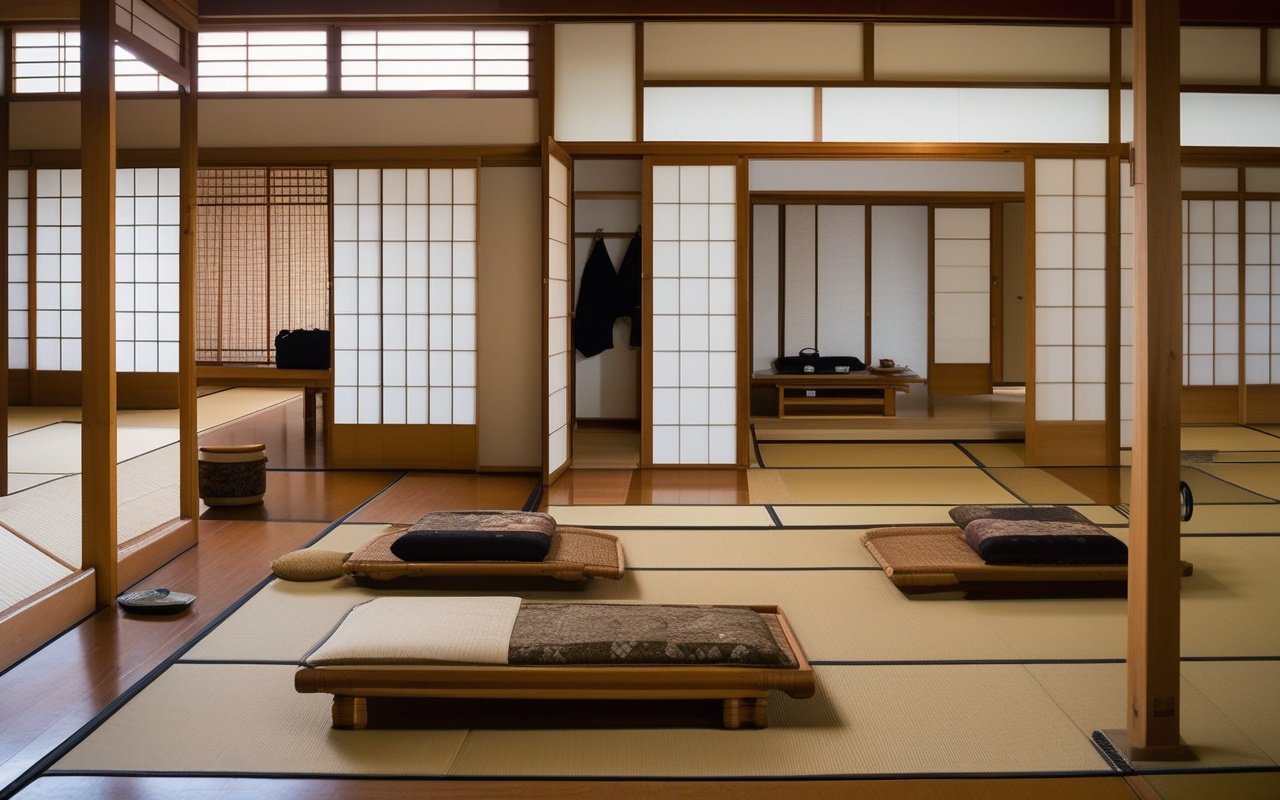
💬 Traveler's Note: I explored the traditional tatami spaces throughout Kanagawa and was struck by their calming atmosphere. I recommend visiting a tea ceremony to fully appreciate this cultural practice.
Introduction
Tatami mats are more than flooring in Japan — they represent cultural values of harmony and respect. This guide covers proper behavior on tatami, from entering a room to dining and sleeping, helping you navigate traditional spaces with confidence.
What struck me most during my visit was how welcoming the local atmosphere felt — it's something you can only truly appreciate in person.

What Is Tatami? Understanding Japan's Flooring
Tatami (畳) are traditional Japanese flooring mats made from rice straw cores covered with woven soft rush grass (igusa). They're more than flooring — they represent Japanese architectural tradition and cultural values.
| Aspect | Detail |
|---|---|
| Material | Rice straw core + woven igusa (rush grass) cover |
| Size | Standard: 1.82m x 0.91m (varies slightly by region) |
| Lifespan | 5-10 years with regular care |
| Replacement cost | ¥10,000-20,000 per mat |
| Insulation | Natural insulator — warm in winter, cool in summer |
| Acoustics | Excellent sound absorption |

Overview
Walking on Tatami: Rules and Reasons

The Right Way
| Rule | Why |
|---|---|
| Remove slippers before stepping onto tatami | Slippers are for hallways only — they damage tatami |
| Walk gently — no stomping or running | Tatami is fragile and heavy footsteps damage the weaving |
| Avoid stepping on the edges (heri) | The cloth borders are the most delicate part and fray easily |
| Follow the grain direction | Walk along the long direction of the mat when possible |
| Carry luggage — don't drag it | Dragging creates grooves in the soft surface |
The Worst Offenses
| Offense | Consequence |
|---|---|
| Walking on tatami with outdoor shoes | Permanent damage — mat must be replaced |
| Stepping on tatami with hallway slippers | Considered very rude |
| Dragging heavy suitcases | Creates permanent grooves |
| Spilling liquid | Irreversible stains — mat must be replaced |
| Walking on edges | Heri (cloth border) frays and tears |

Sitting on Tatami: Position Guide
| Position | Description | Who Uses It | Comfort Level |
|---|---|---|---|
| Seiza (正座) | Kneeling with toes tucked under, sitting on heels | Formal — anyone | ⭐ (uncomfortable for most non-Japanese) |
| Cross-legged (agura) | Sitting cross-legged on cushion | Men only | ⭐⭐⭐ (comfortable) |
| Side-sitting (koshi-gake) | Legs tucked to one side | Women only | ⭐⭐⭐ (comfortable) |
| On knees with cushion | Kneeling with cushion under knees | Anyone (elderly, knee issues) | ⭐⭐⭐ (moderate) |
Practical tip for foreigners: Sit cross-legged (men) or side-sitting (women). If you need to stretch your legs, do so discreetly and apologize. Most staff will tell you "Don't worry about seiza" — they know it's uncomfortable for most people.
Sleeping on Tatami: Futon Guide
Futon (布団) are traditional Japanese bedding laid directly on tatami. Here's what to expect:
| Element | Description |
|---|---|
| Shikibuton (bottom) | Thick cotton mattress pad ~5-8cm thick |
| Kakebuton (top) | Quilt/duvet for warmth |
| Makura (pillow) | Typically filled with buckwheat hulls or beans |
Futon Etiquette
- Don't drag the futon — ask staff to help move it (futon is heavy and dragging damages tatami)
- Don't step on someone else's futon — it's considered very rude (futon is personal space)
- Air out the futon in the morning — at ryokan, staff handle this. At home stays, hang futon over balcony railing for 1-2 hours
- Store futon during the day — fold and place in the closet (oshiire). The tatami needs to breathe
Sleeping on Tatami vs Western Beds
| Aspect | Tatami + Futon | Western Bed |
|---|---|---|
| Firmness | Firm (good for back) | Soft to medium |
| Warmth | Warm (tatami insulates) | Depends on bedding |
| Space | Folds away — room is multifunctional | Permanent fixture |
| Smell | Natural grass scent (pleasant) | Neutral |
Dining on Tatami
Many traditional restaurants in Kanagawa serve meals on tatami at low tables (chabudai). Here's what to know:
- Sit on zabuton cushions — use the provided cushion, don't sit directly on tatami
- Men: sit cross-legged. Women: side-sitting (koshi-gake)
- Don't place hot items directly on tatami — use coasters (provided)
- Don't spill — liquids stain tatami permanently. If you spill, inform staff immediately
- Don't step over someone's food — walk behind people, not between them and the table
- Bow before entering and after leaving the tatami room
How to Get There
To experience tatami in Kamakura: Take the JR Yokosuka Line from Tokyo to Kamakura Station (1 hour). Many traditional temples and tea houses near Kamakura offer tatami experiences. Engaku-ji and Kencho-ji temples have beautiful tatami meditation halls.
To experience tatami in Hakone: Take the Odakyu Romancecar from Shinjuku to Hakone-Yumoto (85 minutes). Most ryokan in Hakone feature tatami rooms — book a traditional inn for the full experience.
To experience tatami in Yokohama: Sankeien Garden features a historic tatami room within its main house. Access: 30 minutes by bus from Yokohama Station.
To experience tatami at a tea ceremony: Several locations in Kamakura (Kamakura Tea Ceremony Experience) and Yokohama (Harbor View Park) offer tea ceremony experiences on tatami. Reserve in advance.
When to Go
Each season in Kanagawa offers a different experience. Spring brings cherry blossoms and mild weather. Summer is beach season with festivals and fireworks. Autumn offers stunning fall foliage and comfortable temperatures. Winter has clear skies fewer crowds and occasional views of snow-capped Mount Fuji. \n\n## What to Expect\n\nTraveling around Kanagawa is straightforward thanks to the extensive rail network. Trains run frequently from early morning until around midnight. Expect to walk a fair amount - comfortable shoes are essential. Many temples and shrines have uneven stone paths and stairs. Ticket machines at stations have an English language option. If you get lost, station staff are helpful and many speak basic English. Taxis are reliable but expensive; only use them for short trips or when trains have stopped.\n\n\n### Nearby Recommendations\n\nIf you have extra time, the surrounding area offers several worthwhile additions to your itinerary. Local tourist information centers can provide maps and suggestions for combining nearby attractions into an efficient route. Many areas offer combination tickets that save money compared to buying individual admission tickets. Consider extending your stay to explore neighboring towns and villages.\n\n\n### Local Tips\n\nLocals recommend starting your day early to experience attractions before the crowds arrive. Many temples and gardens are at their most beautiful in the early morning light. Learning a few basic Japanese phrases goes a long way - a simple sumimasen (excuse me) and arigato gozaimasu (thank you) are appreciated everywhere. Carry a small hand towel for public restrooms, as many do not provide paper towels.\n
Practical Tips
- Early bird: Major temples and attractions open at 8:00-9:00 AM. Arriving early lets you avoid crowds.
- Download offline maps: Google Maps works offline. Download Kanagawa maps before your trip.
- Emergency numbers: Police 110, Ambulance/Fire 119. Save these in your phone before traveling.
- Travel insurance: Recommended for medical coverage and trip cancellation protection.
- Language help: Download Google Translate with Japanese language pack for offline translation.
Frequently Asked Questions
Q: Q: Can I sleep on tatami as a foreign tourist?A:** A: Absolutely! Sleeping on tatami with a futon is a quintessential Japanese experience. Most ryokan in Hakone offer tatami rooms. The firm sleeping surface is excellent for back health. Request a tatami room when booking.
Q: Q: What should I do if I spill something on tatami?A:** A: Inform ryokan staff IMMEDIATELY. Do NOT try to clean it yourself — water makes stains set deeper. Staff have specialized cleaning methods and may have a stain extractor. Quick action can save the mat.
Q: Q: Do I need to remove shoes before stepping on tatami?A:** A: Yes — always. Outdoor shoes damage tatami. Hallway slippers must also be removed. Walk on tatami in socks or bare feet only. This is non-negotiable at any traditional Japanese establishment.
Q: Q: Is sitting seiza (formal kneeling) required on tatami?A:** A: No. Seiza is traditional but uncomfortable for most non-Japanese. Men: sit cross-legged. Women: sit with legs to the side (koshi-gake). Both positions use the zabuton cushion provided.
Q: Q: Where can I learn tatami etiquette in Kanagawa?A:** A: Tea ceremony experiences in Kamakura teach proper tatami behavior. Cultural centers in Yokohama (Minato Mirai) offer workshops. Many ryokan staff will explain upon request — they appreciate your interest.
Pro Tips
Pro Tip: If you spill anything on tatami, tell ryokan staff IMMEDIATELY. Do NOT try to clean it yourself — moisture drives the stain deeper. Staff have specialized cleaning methods. Quick action can save the mat.
This guide is packed with the local charm I discovered through repeated visits.
Summary: Respecting Tatami=Respecting Japanese Culture
Tatami etiquette might seem like a lot to remember, but the core rules are simple: remove slippers, walk gently, don't spill, don't drag, and sit however is comfortable. Japanese hosts are understanding of foreign guests and won't expect perfection — but making the effort shows respect and will be warmly appreciated.
Three takeaways for tatami etiquette:
- Shoes off before tatami — this is the #1 rule. Never, ever wear shoes or slippers on tatami
- Walk gently along the grain — no stomping, no dragging, no stepping on the cloth edges
- Sit comfortably — cross-legged for men, side-sitting for women. Skip seiza unless you're flexible For more cultural etiquette, see our Ryokan Etiquette Guide and Onsen Hot Springs Guide.
Kanagawa Tatami Etiquette Guide 2026 — J... is your starting point for exploring this part of Kanagawa. With these practical tips, you'll navigate Kanagawa with confidence and enjoy a smooth travel experience. For more guides, check out our other articles covering Hakone, Kamakura, Yokohama, Shonan, and the Miura Peninsula. ---

Related Articles

Conclusion
Kanagawa Tatami Etiquette Guide 2026 — Japanese Room... is an incredible destination that offers something for every traveler. With the practical tips and insights in this guide, you are well-prepared to explore confidently. Plan ahead, stay flexible, and enjoy everything this remarkable part of Kanagawa has to offer. Safe travels!