Anaba OffJapan
This guide provides essential travel tips and practical advice for navigating Kanagawa Prefecture. From transportation passes to safety information, you will find everything you need for a smooth and enjoyable trip. I spent several weeks traveling through Kanagawa to bring you this first-hand guide based on personal experience. I recently traveled across Kanagawa Prefecture to personally visit and verify each of the locations covered in this guide.
Introduction
Staying at a Japanese ryokan comes with its own set of customs and etiquette. This guide covers everything from wearing yukata to onsen manners, dining protocol, and check-in procedures — helping you feel confident during your stay.
Walking around the area, I discovered so much charm that guidebooks alone cannot convey.

Wearing Yukata: The Complete Guide

How to Put On a Yukata
| Step | Action | Detail |
|---|---|---|
| 1 | Put on the yukata | Hold it open, slide arms through. Collar ~10cm from neck at back |
| 2 | Cross left over right | Left over right (right front). NEVER right over left (funeral attire) |
| 3 | Secure with himo string | Wrap first himo at waist, tie in front. Second himo at hip level |
| 4 | Adjust collar | Men: collar close to neck. Women: collar pulled back slightly |
| 5 | Tie the obi belt | Flat obi in front, bring ends to back, cross, return to front, tie in bow |
| 6 | Final adjustments | Check sides are even, collar is straight, hem at ankle length |

Overview
Kaiseki Dinner Etiquette
Kaiseki is a multi-course Japanese dinner served at ryokan. Here's how to navigate it with confidence:

Before the Meal
- Say "Itadakimasu" (いただきます) before eating — it means "I humbly receive"
- Use the oshibori (wet towel) to wipe your hands, not your face
- Arrange dishes as they are placed — don't rearrange the serving order

During the Meal
| Course | How to Eat | Common Mistake |
|---|---|---|
| Sakizuke (appetizer) | Eat in order presented | Skipping the smallest dish |
| Mukozuke (sashimi) | Dip fish in soy sauce, not rice | Drowning in soy sauce |
| Yakimono (grilled fish) | Eat from the left side, don't flip | Flipping the whole fish |
| Nimono (simmered) | Drink broth from bowl | Using spoon for broth |
| Gohan + Miso shiru (rice + soup) | Eat rice and soup alternately | Eating all rice first |
| Mizumono (dessert) | Eat with provided pick or spoon | Using chopsticks for fruit |
Chopstick Rules
| ✅ Do | ❌ Don't |
|---|---|
| Rest chopsticks on hashioki (rest) | Stick chopsticks upright in rice (funeral) |
| Use the opposite end to take shared food | Pass food chopstick-to-chopstick (funeral) |
| Hold chopsticks correctly (lower finger stable) | Point with chopsticks |
| Place chopsticks parallel on rest when pausing | Lick or bite chopsticks |
After the Meal
- Say "Gochisosama deshita" (ごちそうさまでした) — "Thank you for the feast"
- Replace the lids on bowls as they were
- Place chopsticks back on the rest
Onsen Etiquette at Ryokan
Step by Step
- Enter the changing room (脱衣所). Remove all clothing. Place in basket or locker.
- Take a small towel (provided) for drying. Take a larger towel for after.
- Wash thoroughly at the shower station. Sit on the small stool. Use the handheld shower. Wash hair, body, everything.
- Rinse completely — no soap residue allowed in the bath.
- Enter the bath (quietly). The small towel goes on your head or beside the bath — NEVER in the water.
- Soak for 10-15 minutes. Exit, cool down, re-enter if desired.
- Towel off in the changing room. Do not drip water from the bath area to the changing area.
Key Rules
| Rule | Why |
|---|---|
| No swimsuits | Onsen are for naked bathing (Yunessun is exception) |
| No towels in water | Towels are unhygienic in shared water |
| No photography | Privacy for all guests |
| No running | Wet floors are dangerously slippery |
| Tattoo check | Some onsen restrict — check policy in advance |
| Gender separation | Men and women have separate baths — don't enter the wrong one |
Entering and Exiting a Ryokan
Check-In
- Remove shoes at the genkan (entrance). Place in provided shoe locker. Take the key.
- Put on indoor slippers. These are for hallways only.
- Wait in the lounge — you'll be served tea and a sweet. Check-in forms will be brought to you.
- Staff will escort you to your room, explaining facilities along the way.
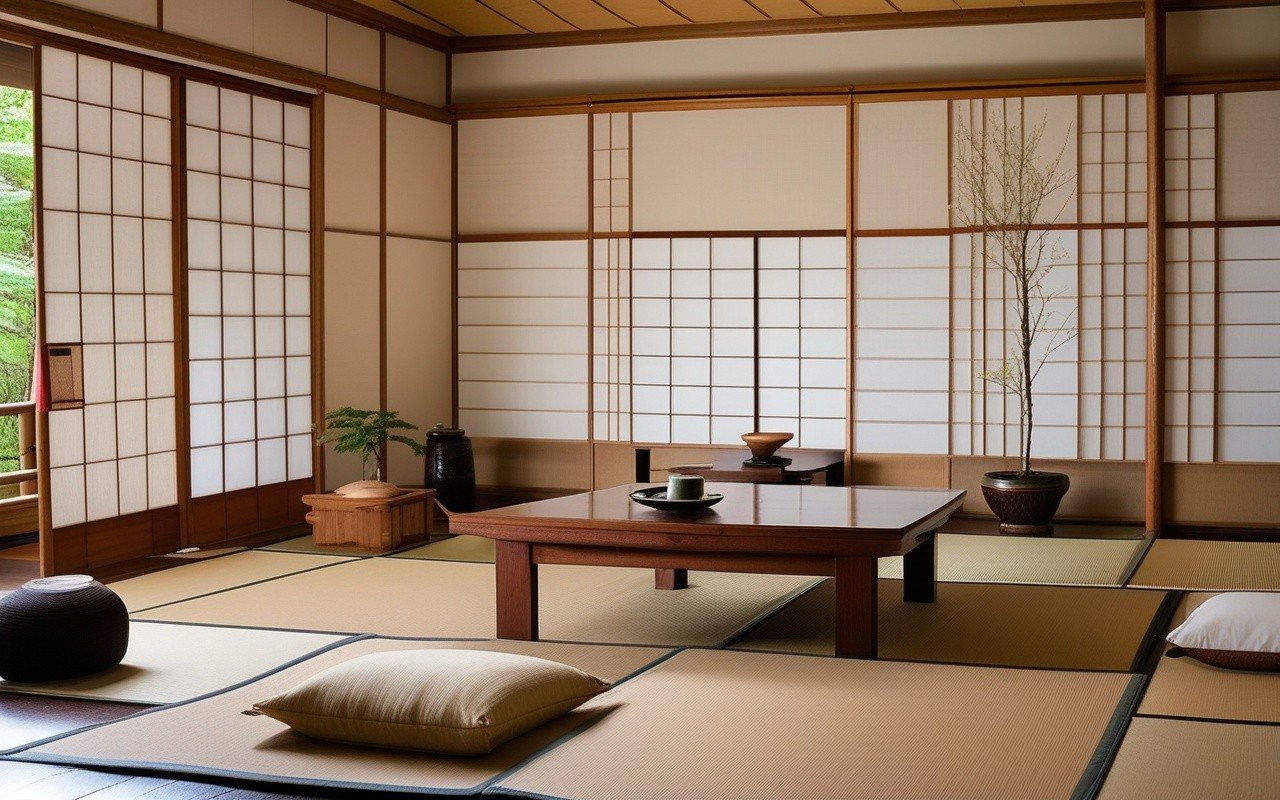
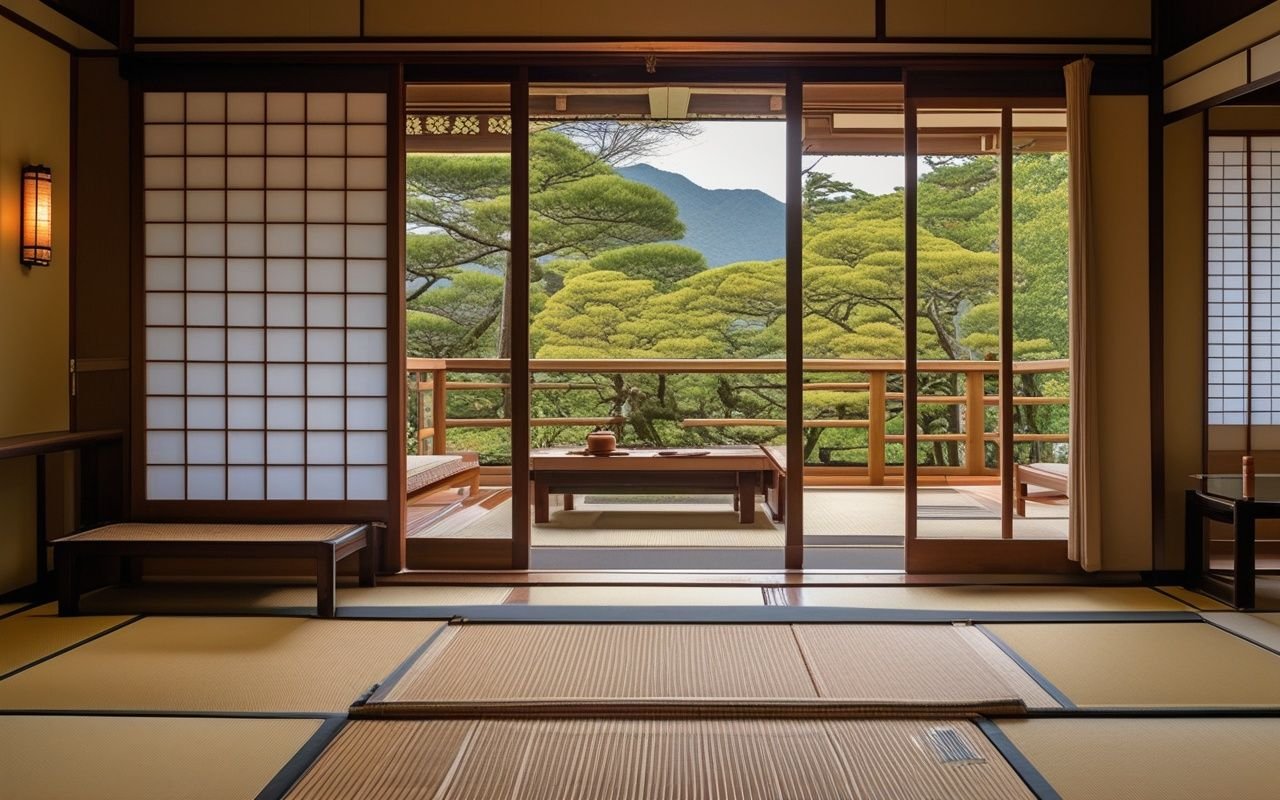
- Enter your room: Remove slippers before stepping onto tatami. Bow slightly upon entering.
In Your Room
- Sit on zabuton cushions — seiza (kneeling) is formal, but cross-legged is fine for men, side-sitting for women
- Don't touch the tokonoma (alcove) — it's decorative, not for storing your belongings
- Clear the low table before futon is laid out (staff will do this)
- Futon is laid while you're at dinner — don't rearrange the futon placement
Check-Out
- Strip the futon — fold the top futon in thirds and place at the foot of the bottom futon
- Fold your yukata and place it in the provided bag
- Leave the room as you found it — tidy up any personal items
- Pay any extras at the front desk (drinks, private onsen fees, purchases)
- Bow and thank staff — "Arigato gozaimashita"
- Your shoes will be waiting at the genkan, placed facing outward for easy stepping
How to Get There
To experience ryokan etiquette in Hakone: Odakyu Romancecar from Shinjuku to Hakone-Yumoto (85 minutes). Hakone has the highest concentration of ryokan where you can practice etiquette.
To experience traditional inns in Kamakura: JR Yokosuka Line from Tokyo to Kamakura Station (1 hour). Some temples offer Buddhist lodging (shukubo) with etiquette instruction.
To experience tea ceremony etiquette: Take the JR Tokaido Line to Yokohama Station, then transfer to the Minato Mirai Line. Several cultural centers offer tea ceremony experiences with etiquette guidance.
To experience kaiseki dining etiquette: Many high-end restaurants in Yokohama's Minato Mirai and Kannai areas offer kaiseki courses where etiquette is part of the experience.

Frequently Asked Questions
Q: Q: What should I wear at a ryokan?A:** A: Change into the provided yukata after checking in. Wear it for dinner, onsen visits, and around the ryokan. In colder months, wear the tanzen (haori-style jacket) over it. Socks (tabi) are provided — wear them indoors on wooden floors, remove before tatami.
Q: Q: Should I fold my yukata a certain way?A:** A: Yes — left side over right (right front). Never right over left, which is funeral attire. The obi goes at waist level, tied at the back or side. If you're unsure, ask staff — they're happy to help.
Q: Q: What's the proper way to enter a tatami room at a ryokan?A:** A: Remove slippers BEFORE stepping onto tatami. Bow slightly at the threshold. Step onto tatami with socks or bare feet. Sit on the zabuton — seiza (kneeling) is formal, cross-legged is acceptable for men, side-sitting for women.
Q: Q: How do I behave during kaiseki dinner?A:** A: Wait for the phrase "Itadakimasu" before starting. Use chopsticks properly — don't stick upright in rice (funeral). Sip soup from the bowl. Don't pass food between chopsticks. Compliment the meal: "Oishii desu" (it's delicious). Say "Gochisosama deshita" after finishing.
Q: Q: What's the checkout procedure at a ryokan?A:** A: Checkout is 10 AM. Strip the futon (fold top futon in thirds, place at foot of bottom futon). Fold yukata into provided bag. Staff will escort you out. Your shoes will be waiting at the entrance, facing outward. No tipping — a sincere thank you is sufficient.
Pro Tips
Pro Tip: When entering a ryokan, say "Ojama shimasu" (Excuse me for intruding) as you step in. Staff will appreciate the effort even if your pronunciation isn't perfect.
I stayed at a traditional ryokan in Hakone last autumn and found the experience both relaxing and enlightening. The staff patiently guided me through each step, from changing into yukata to enjoying a multi-course kaiseki dinner. These firsthand experiences taught me the subtle etiquette that makes a ryokan stay truly special.
Practical Tips
- Learn basic phrases: Knowing how to say "thank you" (arigato gozaimasu) and "excuse me" (sumimasen) goes a long way in a ryokan setting.
- Bring your own slippers: While ryokan provide slippers, having your own pair for moving around the halls can be more comfortable.
- Check yukata size: Ryokan provide yukata (casual kimono) in standard sizes. If you need a larger size, ask at check-in.
- Tipping not required: Unlike some countries, tipping is not expected in Japanese ryokan. Excellent service is the standard.
- Quiet hours: Most ryokan observe quiet hours after 10 PM. Keep conversations low and avoid loud phone calls.
- Meal timing: Kaiseki dinner is typically served between 6-7 PM. Inform the staff in advance if you have dietary restrictions.
- Onsen etiquette: Wash thoroughly before entering the bath. No swimsuits allowed. Tattoos may need to be covered in some establishments.
For a complete list of recommended ryokan, see our Kanagawa Ryokan Guide. If you are new to onsen, check out our Kanagawa Onsen Guide for bathing tips. Plan your trip with our Kanagawa Accommodation Guide.
Visiting in person, I truly appreciated the depth of this area. I hope this serves as a useful reference for your trip.
Summary: Confidence Through Knowledge
Ryokan etiquette can feel intimidating, but Japanese staff genuinely appreciate any effort you make. A simple "Arigato gozaimasu" and attempting the correct yukata wrap goes a long way. Most ryokan are accustomed to foreign guests and will guide you through the process with patience and smiles.
Three takeaways for your ryokan stay:
- Left over right for yukata — remember this one rule and you'll avoid the biggest faux pas
- Wash before onsen — this is the most important onsen rule. Clean body=respected guest
- Say Itadakimasu and Gochisosama — these two phrases show respect and will earn you smiles For more on onsen etiquette, see our Onsen Etiquette Guide and Tatami Etiquette Guide.
After visiting Kanagawa across different seasons, I found that each season transforms the experience entirely — from spring cherry blossoms to autumn foliage.
Kanagawa Ryokan Etiquette Guide 2026 — M... is your starting point for exploring this part of Kanagawa. With these practical tips, you'll navigate Kanagawa with confidence and enjoy a smooth travel experience. For more guides, check out our other articles covering Hakone, Kamakura, Yokohama, Shonan, and the Miura Peninsula.
I explored multiple options before settling on these recommendations. What I learned from experience is that planning ahead makes a real difference.
For more details, see our guide to Kanagawa Accessible Attractions Guide 2026 — Sightseeing....
Conclusion
Kanagawa Ryokan Etiquette Guide 2026 — Manners for... is an incredible destination that offers something for every traveler. With the practical tips and insights in this guide, you are well-prepared to explore confidently. Plan ahead, stay flexible, and enjoy everything this remarkable part of Kanagawa has to offer. Safe travels!