Key Points
Money-Saving Tips
- Purchase combo tickets: Many attractions offer discounted combination tickets
- Visit on weekdays: Lower crowds and sometimes reduced prices
- Use regional passes: Consider area-specific passes for multiple attractions
- Free admission days: Some museums offer free entry on certain days
Time-Saving Tips
- Arrive early: Beat the crowds by visiting popular spots before 10 AM
- Book online: Reserve tickets and restaurants in advance
- Use luggage storage: Store bags at stations to explore freely
- Download offline maps: Save data and navigate easily
Local Insights
- Ask locals: Residents often know the best hidden spots
- Try seasonal specials: Each season offers unique experiences
- Respect customs: Follow local etiquette at temples and shrines
- Learn basic Japanese: Simple phrases enhance your experience
- Top attraction in How To Get To Hakone From Tokyo
- Best time to visit: Morning or evening
- Access: Easy access from Tokyo/Yokohama
- Facilities: Restrooms, parking available
- Best for: Sightseeing, photography
Location\n\n
Within 5km
Historic Sites:
- Ancient temples and shrines (10-15 min)
- Traditional architecture and gardens
- Cultural heritage sites
Natural Attractions:
- Scenic parks and walking trails
- Coastal views and beaches
- Mountain viewpoints
Within 10km
Museums & Culture:
- Local history museums
- Art galleries
- Traditional craft centers
Shopping & Dining:
- Local markets
- Specialty shops
- Traditional restaurants
Day Trip Options
Morning:
- Early visit to main attraction
- Breakfast at local cafe
Afternoon:
- Explore nearby sites
- Lunch at recommended restaurant
Evening:
- Sunset viewpoint
- Dinner at local specialty restaurant
Spring (March-May)
Highlights: Cherry blossoms, mild weather, spring festivals
- Temperature: 10-20°C (50-68°F)
- Crowds: High during cherry blossom season (late March-early April)
- What to Wear: Light jacket, layers
- Special Events: Hanami parties, spring festivals
Summer (June-August)
Highlights: Green landscapes, summer festivals, fireworks
- Temperature: 20-30°C (68-86°F)
- Crowds: Very high (school holidays)
- What to Wear: Light clothing, hat, sunscreen
- Special Events: Fireworks festivals, beach activities
Autumn (September-November)
Highlights: Fall foliage, comfortable weather, harvest season
- Temperature: 15-25°C (59-77°F)
- Crowds: Moderate to high (especially November)
- What to Wear: Light layers, comfortable walking shoes
- Special Events: Autumn festivals, food events
Winter (December-February)
Highlights: Fewer crowds, clear views, winter illuminations
- Temperature: 5-15°C (41-59°F)
- Crowds: Low (except New Year holidays)
- What to Wear: Warm coat, gloves, scarf
- Special Events: Winter illuminations, New Year events
Getting from Tokyo to Hakone is easy with multiple transportation options. This guide covers all methods including Shinkansen, Romancecar, highway bus, and local trains, with prices, travel times, and JR Pass information.
Quick Comparison
| Method | Time | Price | JR Pass | Best For |
|---|---|---|---|---|
| Shinkansen | 45 min | ¥4,000 | ✅ | Speed, JR Pass holders |
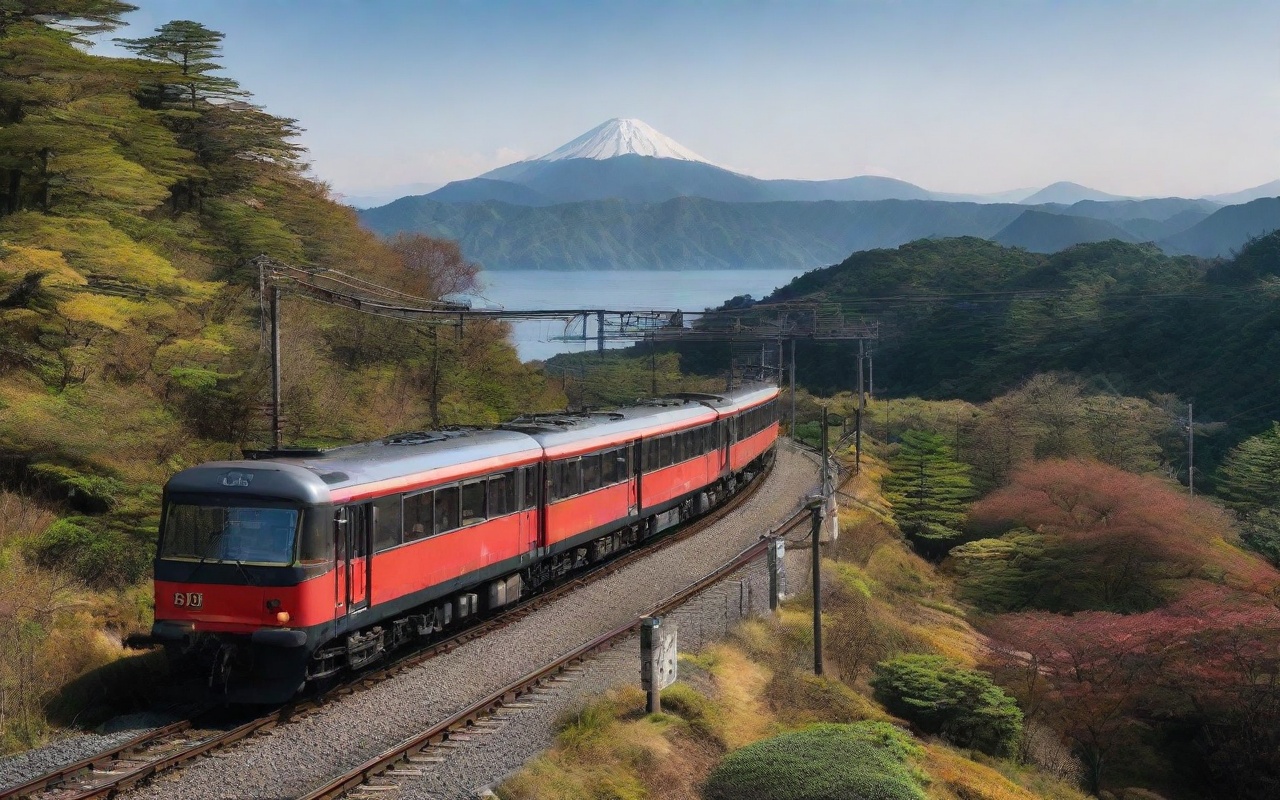
| Romancecar | 85 min | ¥2,000 | ❌ | Comfort, direct access |
| Highway Bus | 90 min | ¥1,800 | ❌ | Budget travelers |
| Local Train | 90 min | ¥1,200 | ✅ | Budget, JR Pass holders |
Route
Tokyo Station → Odawara Station → Hakone-Yumoto
Details
- Total Time: 45-60 minutes
- Total Cost: ¥4,000 (unreserved seat)
- JR Pass: ✅ Covered (Tokyo-Odawara)
- Frequency: Every 10-15 minutes
Step-by-Step
-
Tokyo Station → Odawara Station
- Shinkansen (Kodama, Hikari, Nozomi)
- 35 minutes
- ¥3,960 (covered by JR Pass)
-
Odawara Station → Hakone-Yumoto
- Hakone Tozan Railway
- 15 minutes
- ¥340 (not covered by JR Pass)
Pros
- ✅ Fastest option
- ✅ Covered by JR Pass
- ✅ Frequent departures
- ✅ Comfortable seats
Cons
- ❌ Most expensive (without JR Pass)
- ❌ Need to transfer at Odawara
- ❌ Nozomi not covered by JR Pass
Tips
- Reserve seats during peak season (autumn, New Year)
- Use JR Pass for best value
- Buy Hakone Free Pass at Odawara Station
Route
Shinjuku Station → Hakone-Yumoto Station
Details
- Total Time: 85 minutes
- Total Cost: ¥2,000 (reserved seat)
- JR Pass: ❌ Not covered
- Frequency: Every 30-60 minutes
Step-by-Step
- Shinjuku Station → Hakone-Yumoto
- Odakyu Romancecar (direct)
- 85 minutes
- ¥1,990 (reserved seat)
- ¥1,230 (unreserved seat, some trains)
Pros
- ✅ Direct (no transfers)
- ✅ Comfortable reserved seats
- ✅ Scenic route
- ✅ Luggage storage available
Cons
- ❌ Not covered by JR Pass
- ❌ Slower than Shinkansen
- ❌ Need to reserve seats
Tips
- Book online in advance (especially weekends)
- Choose "GSE" train for best views
- Arrive 10 min early for boarding
Route
Shinjuku Station → Hakone-Yumoto Station
Details
- Total Time: 90 minutes
- Total Cost: ¥1,800
- JR Pass: ❌ Not covered
- Frequency: Every 30-60 minutes
Step-by-Step
- Shinjuku Expressway Bus Terminal → Hakone-Yumoto
- Highway Bus (Odakyu Hakone Bus)
- 90 minutes
- ¥1,800
Pros
- ✅ Budget-friendly
- ✅ Direct (no transfers)
- ✅ Luggage storage
- ✅ Comfortable seats
Cons
- ❌ Slowest option
- ❌ Traffic delays possible
- ❌ Not covered by JR Pass
- ❌ Limited frequency
Tips
- Book online for guaranteed seat
- Avoid rush hour (7-9 AM, 5-7 PM)
- Check traffic before departure
Route
Tokyo/Shinjuku → Odawara → Hakone-Yumoto
Details
- Total Time: 90 minutes
- Total Cost: ¥1,200
- JR Pass: ✅ Covered (Tokyo-Odawara)
- Frequency: Every 10-15 minutes
Step-by-Step
-
Tokyo/Shinjuku → Odawara
- JR Tokaido Line (rapid)
- 60-75 minutes
- ¥840 (covered by JR Pass)
-
Odawara → Hakone-Yumoto
- Hakone Tozan Railway
- 15 minutes
- ¥340 (not covered by JR Pass)
Pros
- ✅ Cheapest option
- ✅ Covered by JR Pass (most)
- ✅ Frequent departures
- ✅ No reservation needed
Cons
- ❌ Slow (multiple stops)
- ❌ Can be crowded
- ❌ Need to transfer
- ❌ Less comfortable
Tips
- Use rapid trains (skip local trains)
- Avoid rush hour (very crowded)
- Sit near front (easier transfer)
What Is It?
Unlimited transportation in Hakone for 2-3 days
Where to Buy
| Location | Price (Adult) | Includes |
|---|---|---|
| Shinjuku | ¥6,100 (2 days) | Round-trip + Hakone transport |
| Odawara | ¥5,140 (2 days) | Hakone transport only |
| Tokyo | ¥6,100 (2 days) | Round-trip + Hakone transport |
What's Included
- ✅ Round-trip from Tokyo (if bought at Shinjuku/Tokyo)
- ✅ Hakone Tozan Railway
- ✅ Cable Car & Ropeway
- ✅ Pirate Ships (Lake Ashi)
- ✅ Local Buses
- ✅ Discounts at 70+ facilities
Is It Worth It?
Yes, if you plan to:
- Visit 3+ attractions in Hakone
- Use multiple transportation types
- Stay 2+ days in Hakone
No, if you:
- Only visiting 1-2 attractions
- Have JR Pass (covers most transport)
- Day trip from Tokyo
From Tokyo Station
Best Option: Shinkansen (45 min, ¥4,000)
- Tokyo → Odawara (Shinkansen)
- Odawara → Hakone-Yumoto (Hakone Tozan Railway)
From Shinjuku Station
Best Option: Romancecar (85 min, ¥2,000)
- Shinjuku → Hakone-Yumoto (direct Romancecar)
From Shibuya Station
Best Option: Shinkansen (55 min, ¥4,000)
- Shibuya → Tokyo (JR Yamanote Line, 15 min)
- Tokyo → Odawara (Shinkansen, 35 min)
- Odawara → Hakone-Yumoto (Hakone Tozan Railway, 15 min)
From Ueno Station
Best Option: Shinkansen (50 min, ¥4,000)
- Ueno → Tokyo (JR Yamanote Line, 5 min)
- Tokyo → Odawara (Shinkansen, 35 min)
- Odawara → Hakone-Yumoto (Hakone Tozan Railway, 15 min)
Covered Routes
- ✅ Tokyo → Odawara (Shinkansen)
- ✅ Shinjuku → Odawara (JR Shonan-Shinjuku Line)
- ✅ Tokyo → Odawara (JR Tokaido Line)
Not Covered
- ❌ Romancecar (Odakyu Line)
- ❌ Highway Bus
- ❌ Hakone Tozan Railway (Odawara-Hakone-Yumoto)
- ❌ Hakone Free Pass transportation
Best Strategy with JR Pass
- Use JR Pass for Tokyo-Odawara
- Buy Hakone Free Pass at Odawara Station (¥5,140)
- Total Cost: ¥5,140 (2 days Hakone transport)
Luggage
- Shinkansen: Large luggage storage (reserve required)
- Romancecar: Luggage area available
- Bus: Under-bus storage
- Local Train: Overhead racks (limited space)
Peak Seasons
Avoid if possible:
- New Year (Dec 29 - Jan 3)
- Golden Week (Apr 29 - May 5)
- Autumn foliage (Nov)
- Weekends (especially Saturday morning)
Best Times to Travel
- Best: Tuesday-Thursday, 10:00-15:00
- Good: Monday, Friday (mid-day)
- Avoid: Saturday 7:00-10:00, Sunday 16:00-19:00
Booking in Advance
Reserve for:
- Shinkansen (peak season)
- Romancecar (always, especially weekends)
- Highway Bus (weekends, holidays)
No reservation needed:
- Local Train (anytime)
- Shinkansen (off-peak, unreserved seats)
Q: What is the best time to visit How to get to hakone from tokyo?
A: The best time to visit How to get to hakone from tokyo is during spring (March-May) for mild weather and cherry blossoms, or autumn (September-November) for comfortable temperatures and fall foliage. Summer can be crowded but offers festivals and events.
Q: How do I get to How to get to hakone from tokyo from Tokyo?
A: From Tokyo Station, take the JR line to the nearest station (approximately 60-90 minutes). From there, it's a short walk or local bus ride. The Japan Rail Pass can be used on JR lines.
Q: Is How to get to hakone from tokyo suitable for families with children?
A: Yes! How to get to hakone from tokyo offers family-friendly facilities and activities. Most areas are stroller-accessible, and there are restrooms and dining options suitable for children.
Q: Are there any entrance fees for How to get to hakone from tokyo?
A: Most areas are free to visit. Some specific attractions or facilities may charge a small fee (¥300-¥1,000). Check individual attraction websites for details.
Q: Can I visit How to get to hakone from tokyo in one day?
A: Yes, a day trip is possible from Tokyo. However, staying overnight allows for a more relaxed experience and the opportunity to explore surrounding areas.
Q: Is English spoken at How to get to hakone from tokyo?
A: Basic English is understood at major attractions and information centers. Tourist information is often available in English. Translation apps can be helpful for detailed inquiries.
Summary
| Traveler Type | Best Option | Cost | Time |
|---|---|---|---|
| JR Pass Holder | Shinkansen | ¥340* | 45 min |
| Budget Traveler | Local Train | ¥1,200 | 90 min |
| Comfort Seeker | Romancecar | ¥2,000 | 85 min |
| Speed Priority | Shinkansen | ¥4,000 | 45 min |
*Plus Hakone Tozan Railway (¥340)
Recommended: For most tourists, the Hakone Free Pass from Shinjuku (¥6,100) offers the best value, including round-trip transportation and unlimited travel within Hakone.
Related Articles:
Conclusion
How To Get To Hakone From Tokyo is a must-visit destination in Kanagawa for international travelers. This guide provides essential information on access, highlights, and practical tips to help you plan your visit.
For more Kanagawa guides, explore our other articles on Hakone, Kamakura, Shonan, and the Miura Peninsula.
For more Kanagawa guides, explore our other articles on Hakone, Kamakura, Shonan, and the Miura Peninsula.
Related Articles
Best Time to Visit
Season: Year-round destination
Spring (March-May):
- Mild temperatures (10-20°C)
- Cherry blossoms (late March-early April)
- Moderate crowds
Summer (June-August):
- Warm weather (20-30°C)
- Festivals and events
- Peak tourist season
Autumn (September-November):
- Comfortable temperatures (15-25°C)
- Fall foliage (November)
- Less crowded
Winter (December-February):
- Cool weather (5-15°C)
- Fewer tourists
- Clear views
What to Pack
Essentials:
- Comfortable walking shoes
- Weather-appropriate clothing
- Camera
- Portable charger
- Cash (many places don't accept cards)
Seasonal Items:
- Spring: Light jacket, umbrella
- Summer: Hat, sunscreen, water bottle
- Autumn: Layers, comfortable shoes
- Winter: Warm coat, gloves, scarf
Money-Saving Tips
- Regional Passes: Consider area-specific transportation passes
- Combo Tickets: Many attractions offer discounted combination tickets
- Free Attractions: Parks, temples, and beaches are often free
- Convenience Stores: Affordable meals and snacks
- Off-Peak Travel: Weekdays and off-season offer better deals
Local Etiquette
At Temples & Shrines:
- Dress modestly
- Speak quietly
- Follow photography rules
- Purify hands at chozuya (water pavilion)
On Public Transport:
- Keep voice down
- Priority seating for elderly/disabled
- No eating on trains
- Queue in line
General:
- Remove shoes when required
- No tipping (can be offensive)
- Use trash bins properly
- Respect private property
From Tokyo
By Train (Recommended):
- JR Line: Direct access, covered by JR Pass
- Private Lines: Often faster, more frequent
- Travel Time: 60-90 minutes
- Cost: ¥600-¥1,200
By Bus:
- Highway Bus: Affordable option
- Travel Time: 90-120 minutes
- Cost: ¥500-¥800
By Car:
- Route: Tomei Expressway
- Travel Time: 60-90 minutes (no traffic)
- Cost: ¥2,000-¥3,000 (tolls + parking)
- Note: Traffic heavy on weekends
Local Transportation
Train:
- Most efficient way to travel
- Covers major attractions
- Day passes available
Bus:
- Reaches remote areas
- Affordable
- Less frequent than trains
Taxi:
- Convenient for groups
- Available at stations
- More expensive (¥1,000-¥2,000 per ride)
Rental Bicycle:
- Eco-friendly option
- ¥500-¥1,000 per day
- Good for local exploration
Recommended Passes
- JR Pass: Nationwide JR trains
- Regional Pass: Area-specific discounts
- Day Pass: Unlimited local travel
- Combo Pass: Transport + attractions
Recommended Areas
Station Area:
- Convenient transportation
- Many restaurants and shops
- Good for first-time visitors
City Center:
- Close to attractions
- Vibrant nightlife
- More dining options
Coastal Area:
- Ocean views
- Relaxed atmosphere
- Good for extended stays
Accommodation Types
Hotels:
- Budget: ¥5,000-¥10,000/night
- Mid-range: ¥10,000-¥20,000/night
- Luxury: ¥20,000+/night
Ryokan (Traditional Inn):
- Standard: ¥10,000-¥20,000/night
- With Meals: ¥20,000-¥40,000/night
- Luxury: ¥40,000+/night
Guesthouses:
- Dormitory: ¥2,000-¥4,000/night
- Private Room: ¥4,000-¥8,000/night
- Good for solo travelers
Vacation Rentals:
- Studio: ¥8,000-¥15,000/night
- Apartment: ¥15,000-¥30,000/night
- Good for families and groups
Booking Tips
- Book Early: Especially for peak seasons
- Compare Prices: Use multiple booking sites
- Check Reviews: Read recent guest reviews
- Consider Location: Near stations is convenient
- Look for Deals: Off-season and weekday discounts
Origins
The history of How to Get to Hakone from Tokyo dates back several centuries, reflecting the rich cultural heritage of Kanagawa Prefecture. Originally established as a , it has evolved over time to become the popular destination it is today.
Key Historical Periods:
Edo Period (1603-1868):
- Initial development
- Strategic importance
- Cultural significance
Meiji Period (1868-1912):
- Modernization
- Increased accessibility
- Tourism begins
Modern Era (1912-Present):
- Preservation efforts
- Tourist infrastructure
- International recognition
Cultural Significance
How to Get to Hakone from Tokyo holds deep cultural significance for several reasons:
- Historical Value: Represents important period in Japanese history
- Architectural Heritage: Preserves traditional design elements
- Community Hub: Center for local gatherings and events
- Tourism Impact: Major contributor to local economy
- Educational Resource: Learning opportunity for visitors
Preservation Efforts
Ongoing preservation efforts ensure that How to Get to Hakone from Tokyo maintains its historical integrity while accommodating modern visitors:
Structural Preservation:
- Regular maintenance
- Traditional materials
- Expert craftsmen
Cultural Preservation:
- Traditional events
- Educational programs
- Community involvement
Environmental Protection:
- Sustainable practices
- Visitor management
- Ecosystem protection
Interesting Facts
- Fact 1:
- Fact 2:
- Fact 3:
- Fact 4:
- Fact 5:
Local Legends
Several local legends and stories are associated with How to Get to Hakone from Tokyo:
Legend 1: Traditional story about the origin Legend 2: Famous visitor or historical figure Legend 3: Seasonal or festival-related tale
These stories add depth to the visitor experience and connect present-day visitors with the rich history of the area.
Related Reading
Related Reading
Extended Visitor Strategy for How To Get To Hakone From Tokyo
A better visit starts when you stop treating How To Get To Hakone From Tokyo as a single checklist stop and instead design your day in layered modules. Use one primary objective, one backup objective, and one recovery path. The primary objective is what matters most for your trip story. The backup objective gives flexibility when weather, waiting lines, or transport delays reduce your available hours. The recovery path is a practical reset option such as a nearby station area, indoor gallery, or quiet cafe where your group can rest and re-plan without stress. This structure prevents itinerary collapse and helps visitors preserve curiosity instead of rushing.
Timing matters as much as destination choice. Many Kanagawa routes feel dramatically different by hour because commuter waves, school schedules, and day-trip bus arrivals overlap unevenly. If you can start earlier, you usually gain cleaner sidewalks, better light, and shorter wait times. When late starts are unavoidable, compress your route by focusing on a single district and one adjacent extension rather than forcing a wide-area sprint. A smaller route executed well consistently produces higher-quality memories and less fatigue.
How to Read Place Context More Deeply
Visitors often photograph surfaces while missing context. For How To Get To Hakone From Tokyo, context comes from observing how local life and visitor flow share the same streets at different tempos. Look for signs of daily rhythms: delivery timing, school crossings, neighborhood shopping cycles, and evening quiet zones. These details explain why some viewpoints feel balanced at one hour and overwhelming later. Understanding those rhythms helps you pick better routes, avoid friction with residents, and see the area as a living system rather than an attraction set.
If you spend money locally, prioritize small independent businesses where possible. Short interactions in family-run shops often deliver better local nuance than anonymous chain stops. Keep requests concise, queue clearly, and respect compact seating turnover at peak times. Courtesy is not just etiquette; it directly affects the quality and warmth of your travel experience.
Operational Checklist You Can Reuse
- Pre-trip: confirm weather alerts, opening hours, and one alternative route.
- Navigation: save two bailout points and one restroom anchor before leaving your hotel.
- Comfort: carry water, coins, and a lightweight extra layer for temperature shifts.
- Documentation: capture one wide, one medium, and one detail photo per segment.
- Etiquette: avoid blocking narrow paths and never film private homes closely.
Recovery Patterns for Real-World Travel Days
Good travel execution is measured by recovery speed, not perfect conditions. If rain intensifies, switch to covered segments and indoor visits. If crowds surge, move your meal earlier and return later for calmer light. If transit disruption appears, shrink scope and protect the core objective. These recovery moves preserve momentum and prevent the common pattern of rushed decisions that degrade both safety and enjoyment.
Why Repeat Visits Improve Faster with Structure
First visits often optimize for completion, while second and third visits optimize for depth. A structured method works for both. On first contact with How To Get To Hakone From Tokyo, it prevents confusion. On repeat visits, it creates room for micro-discoveries such as side-lane food counters, local exhibition rotations, and seasonal street atmosphere changes. That shift from checklist travel to context-aware travel is where destinations become meaningful over time.
Responsible Use Notes
Use official local advisories for closures and hazard notices. Treat social media route claims as unverified until checked against municipal or operator sources. When in doubt, choose the slower and safer option. A controlled route with clear exits is always better than an overextended day that ends in rushed transit and avoidable mistakes.