Anaba OffJapan
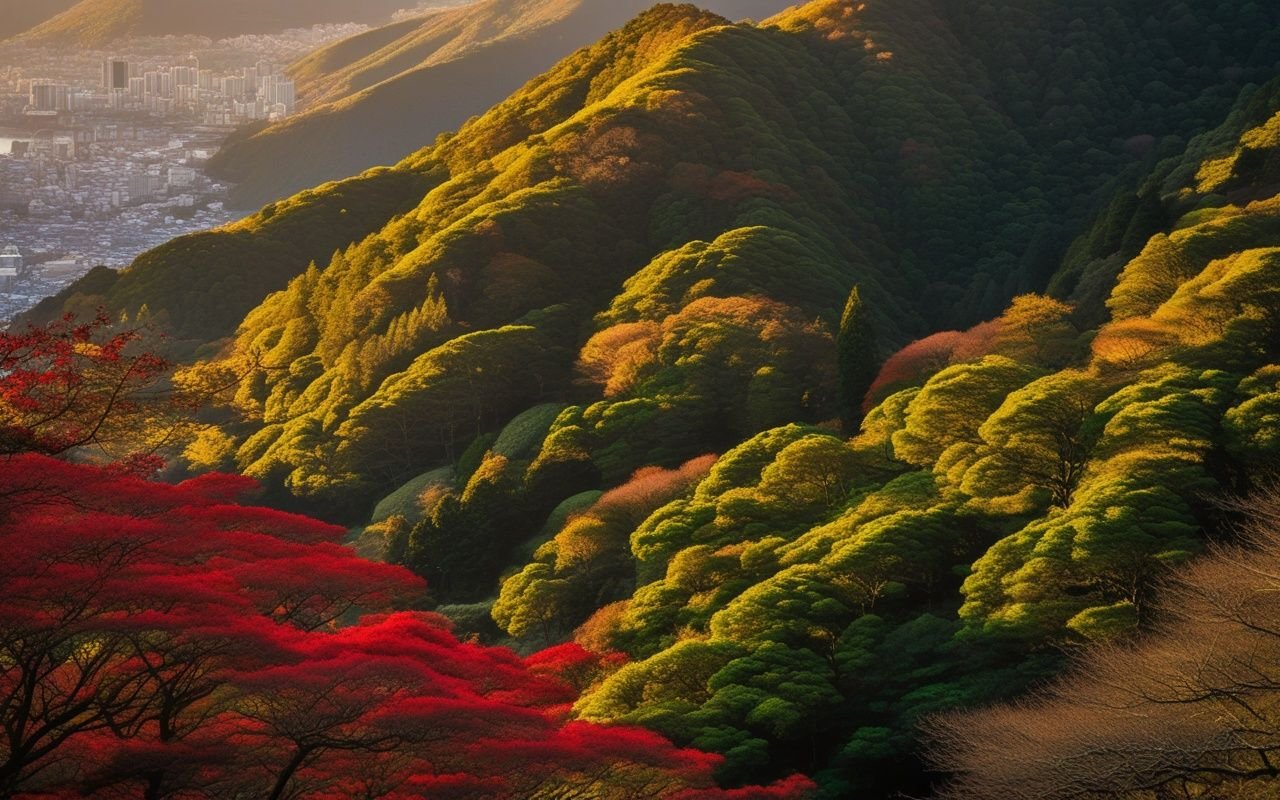
Overview

Getting There

Hakone is approximately 90 minutes from central Tokyo, making it an easy day trip — though we recommend an overnight stay to fully explore both Evangelion locations and Hakone's other attractions. Save big with Hakone Freepass — unlimited train, ropeway & pirate ship rides, plus 30% off attractions

From Tokyo
- Shinkansen (45 min, ¥4,000) — Tokyo Station → Odawara Station → transfer to Hakone Tozan Railway → Hakone-Yumoto Station. Fastest option, covered by JR Pass. Book your ticket to the Hakone Open-Air Museum — a stunning outdoor sculpture park with mountain views
- Romancecar (85 min, ¥2,000) — Shinjuku Station → Hakone-Yumoto Station. Direct service, comfortable reserved seats, scenic mountain views.
- Highway Bus (90 min, ¥1,800) — Shinjuku Station → Hakone-Yumoto Station. Budget-friendly direct option.

Money-Saving Tickets
The Hakone Free Pass (¥5,140 for 2 days, ¥5,700 for 3 days) is essential for any Evangelion pilgrimage. It covers unlimited rides on the Hakone Tozan Railway, Cable Car, Ropeway, Pirate Ships on Lake Ashi, and local buses — all the transport you'll need to reach every Eva location. Available at Odawara Station or Shinjuku Station (¥6,100 with round-trip from Tokyo).

Pilgrimage Spots

Spot 1: Hakone-Yumoto Station — Evangelion Store & Tokyo-3 Gateway
Anime reference: The town of Hakone-Yumoto serves as the entry point to the Tokyo-3 region. The station area's traditional-hot spring town atmosphere contrasts with the high-tech world of NERV, representing the duality of old Japan and futuristic Evangelion aesthetics.
The Hakone-Yumoto Station area is where your pilgrimage begins. Just outside the station, you'll find the Evangelion Store Hakone (エヴァ屋), an official merchandise shop featuring exclusive Hakone-themed Eva goods. Look for the Eva-themed manhole covers scattered around town — there are several featuring Unit-01, the Lance of Longinus, and the NERV logo.
- Access: Hakone-Yumoto Station (Hakone Tozan Railway)
- Best time: Late morning (10:00 AM - 12:00 PM) after arriving from Tokyo
- Photo tip: The Eva storefront has life-sized character cutouts perfect for photos. The manhole covers are embedded in the sidewalk and make great detail shots.

Spot 2: Lake Ashi — The GeoFront Above NERV
Anime reference: Lake Ashi's calm, reflective surface inspired the visual concept of the GeoFront — the massive cavern beneath Tokyo-3 where NERV headquarters is built. In the series, the GeoFront is depicted as an inverted dome with a city ceiling, but the peaceful surface of Lake Ashi represents the hidden world beneath.

Lake Ashi is the crown jewel of the Evangelion Hakone experience. The Pirate Ships that cross the lake are a fun way to experience the area, and on clear days, the reflection of Mount Fuji on the water creates an almost surreal atmosphere that Eva fans will instantly recognize.
The Hakone Shrine (located on the lakeshore) features a iconic red torii gate standing in the water — a shot that appears in several anime background comparisons. The shrine's atmospheric setting evokes the spiritual and mythological elements of Evangelion's lore.
- Access: Take the Hakone Tozan Railway to Gora → Cable Car to Sounzan → Ropeway to Togendai → Pirate Ship across Lake Ashi (all covered by Hakone Free Pass)
- Best time: Clear mornings (before 11:00 AM) for the best Mount Fuji reflections. Winter months (December-February) offer the clearest views. Discover Mt Fuji's 5th Station, World Heritage Center & Owakudani on this Hakone day trip
- Photo tip: Frame the torii gate with Lake Ashi and Mount Fuji in the background. This layered composition mirrors Evangelion's iconic juxtaposition of nature and the post-apocalyptic world. Explore Mt Fuji & Hakone on a full-day trip with sukiyaki lunch, Hakone Cruise, Ropeway & Shinkansen return
Spot 3: Owakudani Valley — The Post-Impact Landscape
Anime reference: Owakudani's volcanic valley — with its billowing sulfur vents, barren rock formations, and otherworldly atmosphere — directly inspired the post-Second Impact landscapes seen throughout Evangelion. The red-tinged earth and steam vents evoke the damaged world after the catastrophe.

Owakudani is accessible via the Hakone Ropeway from Sounzan Station. As you ascend, the landscape transforms dramatically — lush green mountains give way to barren volcanic terrain. The smell of sulfur is unmistakable, and on clear days, you can see steam vents from across the valley. This is the most visually recognizable Evangelion location in Hakone.
- Access: Sounzan Station → Hakone Ropeway → Owakudani Station (15 min ride)
- Best time: Mid-morning (9:00-11:00 AM) when the ropeline is less crowded
- Photo tip: The ropeline itself offers incredible aerial views. Shoot through the cable car window for a dramatic perspective. At Owakudani, frame the steam vents against the distant mountains for a true post-impact aesthetic.
- Don't miss: Try the famous black eggs (kuro-tamago) cooked in the volcanic springs — legend says they add 7 years to your life, much like the LCL in Eva's entry plugs.
Spot 4: Sengokuhara — Tokyo-3 Cityscape Model
Anime reference: The Sengokuhara highland area, with its distinctive plateau surrounded by mountains, served as the primary visual model for the layout of Tokyo-3. The way the city sits within a bowl-shaped valley surrounded by mountains perfectly mirrors the defensive positioning of Tokyo-3 against Angel attacks.
The Sengokuhara area is less visited by tourists, making it a peaceful spot for reflection. The silver grass fields (susuki) that bloom in autumn create a sea of silver that echoes the abstract, atmospheric backgrounds of the Evangelion series. The area's layout — a flat plateau surrounded by mountains — gives you a genuine sense of standing in the Tokyo-3 basin.
- Access: 15 min bus from Gora Station (covered by Hakone Free Pass)
- Best time: Autumn (October-November) when the silver grass fields are at their peak. Late afternoon for the best light.
- Photo tip: From the Sengokuhara viewing platform, shoot toward the surrounding mountains to recreate the Tokyo-3 basin vista. A wide-angle lens (16-24mm) captures the full scope of the landscape.

Spot 5: Hakone Checkpoint (Sekisho) — NERV Gate Aesthetic
Anime reference: The reconstructed Hakone Checkpoint, with its imposing wooden gates and strategic position overlooking Lake Ashi, mirrors the fortified entrance aesthetics of NERV headquarters. The checkpoint's historical role as a security post on the Tokaido road parallels NERV's function as humanity's defense against the Angels.
Our guide to Hakone Sekisho History Guide has additional tips and recommendations. The Hakone Checkpoint (Sekisho) is a meticulous historical reconstruction of the Edo-period barrier that controlled traffic along the Tokaido highway. Its position overlooking Lake Ashi, combined with its imposing architectural presence, makes it a compelling stop for Eva fans interested in the intersection of history and anime.
- Access: 10 min walk from the Pirate Ship dock at Moto-Hakone, or take the Hakone Tozan Bus
- Best time: Early afternoon (1:00-3:00 PM)
- Photo tip: Shoot the main gate from a low angle to emphasize its imposing scale — the same technique animators use to make NERV headquarters feel overwhelming.
Spot 6: Togendai Station — Terminal Dogma Atmosphere
Anime reference: Togendai Station, the terminal point of the Hakone Ropeway, has a distinctive modern-industrial architectural style that evokes the Terminal Dogma and geo-front facilities of NERV. The contrast between the natural beauty of Lake Ashi and the station's utilitarian design captures the Evangelion aesthetic perfectly.
From Togendai, you can board the Pirate Ships for a cruise across Lake Ashi, or explore the shore area. The station itself has observation decks offering panoramic views of the lake and surrounding mountains, During special events, the station sometimes hosts Evangelion-themed collaborations with character cutouts and limited-edition merchandise.
- Access: Hakone Ropeway from Owakudani → Togendai Station (final stop)
- Best time: Late afternoon (3:00-5:00 PM) before the last ropeline departure
- Photo tip: From the observation deck at Togendai, capture the Pirate Ship crossing Lake Ashi with mountains in the background. Time your shot for when the ship is at the center of the lake.
Sample Itinerary
Full-Day Evangelion Pilgrimage Route (8-10 hours)
| Time | Activity |
|---|---|
| 8:00 AM | Depart from Tokyo (Romancecar recommended for direct service) |
| 9:30 AM | Arrive at Hakone-Yumoto Station — visit Evangelion Store |
| 10:30 AM | Hakone Tozan Railway to Gora (scenic mountain views) |
| 11:00 AM | Cable Car to Sounzan + Ropeway to Owakudani |
| 12:00 PM | Explore Owakudani — volcanic valley, black eggs, photo session |
| 1:00 PM | Ropeway to Togendai — observation deck photos |
| 1:30 PM | Pirate Ship across Lake Ashi (30 min cruise) |
| 2:00 PM | Moto-Hakone — Hakone Shrine torii gate + Checkpoint |
| 3:30 PM | Bus to Sengokuhara — Tokyo-3 basin views |
| 4:30 PM | Return to Hakone-Yumoto, final photos at Eva Store |
| 5:30 PM | Onsen experience (day trip) before returning to Tokyo |
Two-Day Itinerary (Recommended)
Day 1: Arrive Hakone-Yumoto → Eva Store → Tozan Railway → Gora → Owakudani → Togendai → overnight in Hakone onsen ryokan Day 2: Lake Ashi cruise → Hakone Shrine → Checkpoint → Sengokuhara → return to Tokyo via Romancecar
Travel Tips
Crowd Avoidance
- Visit on weekdays — Hakone is a popular weekend destination
- Start before 9:00 AM to beat the tour groups
- Avoid Golden Week (late April-early May), Obon (mid-August), and New Year holidays
- The Ropeway gets crowded by 11:00 AM — go early or have lunch first
- Winter (December-February) offers the fewest crowds and clearest Mount Fuji views
Best Time to Visit
- Spring (March-May): Cherry blossoms + mild temperatures — ideal for walking
- Summer (June-August): Green landscapes but humid; onsen in summer is still enjoyable
- Autumn (September-November): Best season — fall foliage, comfortable weather, silver grass at Sengokuhara
- Winter (December-February): Clearest Mount Fuji views, onsen season, fewer crowds
What to Bring
- Hakone Free Pass (essential for hopping between spots)
- Comfortable walking shoes (you'll cover 8-12 km)
- Camera with wide-angle lens (16-35mm for landscapes, 70-200mm for compressed shots)
- Light jacket (weather changes quickly, especially on the Ropeway)
- Small towel (for impromptu onsen visits)
Frequently Asked Questions
Q: Is Hakone really the model for Tokyo-3?
A: Yes! The creators of Evangelion have confirmed that the geography of Hakone — particularly the basin formed by Mount Hakone's caldera — served as the primary visual inspiration for Tokyo-3. The way mountains surround the city in the anime directly mirrors the topography of the Sengokuhara plateau.
Q: Is there an official Evangelion museum in Hakone?
A: There is no permanent Eva museum in Hakone, but the Evangelion Store Hakone (エヴァ屋) at Hakone-Yumoto Station is the closest thing to an official Eva attraction, During special anniversaries and events, temporary exhibitions are sometimes held. Check the store's schedule before visiting.
Q: Can I visit all Evangelion spots in one day?
A: It's possible but rushed. The full loop requires using the Tozan Railway, Cable Car, Ropeway, Pirate Ship, and local buses — all covered by the Hakone Free Pass. We recommend an overnight stay for a relaxed experience, especially if you want to enjoy Hakone's onsen.
Q: Are there Evangelion-themed souvenirs in Hakone?
A: Yes! The Evangelion Store stocks exclusive Hakone-themed Eva merchandise including shirts, keychains, clear files, and the famous Eva manhole cover collectibles. You'll also find Eva-themed black egg packaging at Owakudani.
Q: Is the Hakone Free Pass worth it for Eva pilgrims?
A: Absolutely. At ¥5,140 for 2 days, it covers all the transport you need to visit every Evangelion spot. A single round-trip from Tokyo plus one Ropeway ride would cost almost as much separately.
Related Articles
- Kanagawa Anime Pilgrimage Guide
- Slam Dunk Pilgrimage in Kamakura
- Hakone Onsen Complete Guide
- Hakone Area Guide
- Hakone Free Pass Guide
Last Updated: 2026-06-08 Written by: Anaba OffJapan Editorial Team
Evangelion Pilgrimage in Hakone — Visit ... is your starting point for exploring this part of Kanagawa. From outdoor adventures to cultural experiences, this guide helps you make the most of your time in Kanagawa. For more guides, check out our other articles covering Hakone, Kamakura, Yokohama, Shonan, and the Miura Peninsula.
Access
Practical Tips
- Access: Hakone-Yumoto Station (Hakone Tozan Railway)
- Best time: Late morning (10:00 AM - 12:00 PM) after arriving from Tokyo
- Photo tip: The Eva storefront has life-sized character cutouts perfect for photos. The manhole covers are embedded in the sidewalk and make great detail shots.
- Access: Take the Hakone Tozan Railway to Gora → Cable Car to Sounzan → Ropeway to Togendai → Pirate Ship across Lake Ashi (all covered by Hakone Free Pass)
- Best time: Clear mornings (before 11:00 AM) for the best Mount Fuji reflections. Winter months (December-February) offer the clearest views.
- Photo tip: Frame the torii gate with Lake Ashi and Mount Fuji in the background. This layered composition mirrors Evangelion's iconic juxtaposition of nature and the post-apocalyptic world.
- Access: Sounzan Station → Hakone Ropeway → Owakudani Station (15 min ride)
- Best time: Mid-morning (9:00-11:00 AM) when the ropeline is less crowded
I spent a full afternoon exploring this area and was amazed by how much there is to discover off the main path.
Related Articles
I spent a full afternoon participating in this activity and was amazed by how well-organized everything was. I recommend booking in advance for the best experience.
Conclusion
Whether you prefer outdoor adventures, cultural experiences, or simply relaxing in nature, Evangelion Pilgrimage in Hakone — Visit Tokyo-3's... offers activities to suit every interest and fitness level. The diverse range of experiences available in makes it easy to create unforgettable memories. Use this guide to plan your perfect itinerary.