Key Points
- Perfect for: Cyclists, active travelers
- Duration: Half-day to full day
- Budget: ¥3,000-6,000 (including rental)
- Best season: Spring and autumn
- Difficulty: Easy to moderate
Overview
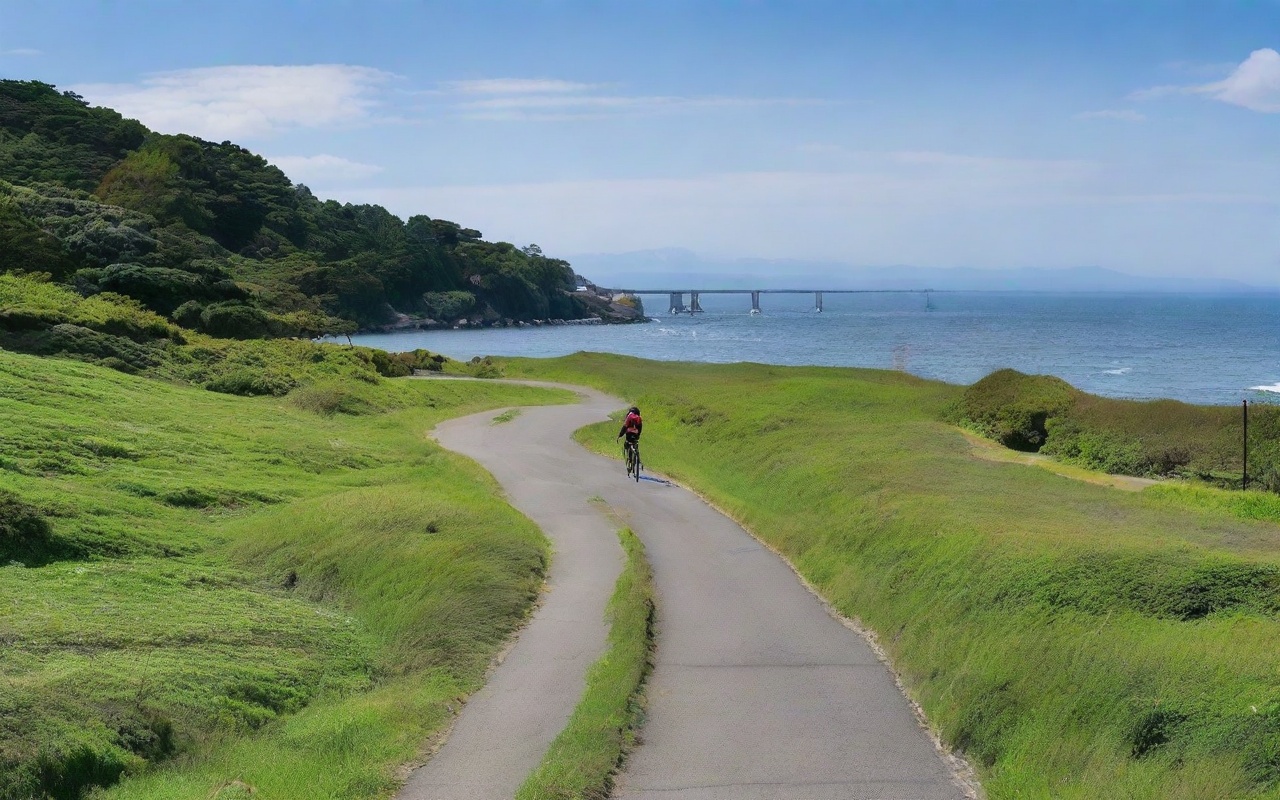
The Shonan and Kamakura region offers some of Japan's most scenic cycling routes, combining coastal views, temple visits, and mountain trails. This guide covers the best routes, rental shops, and essential tips for cycling in this beautiful area.
Top Cycling Routes
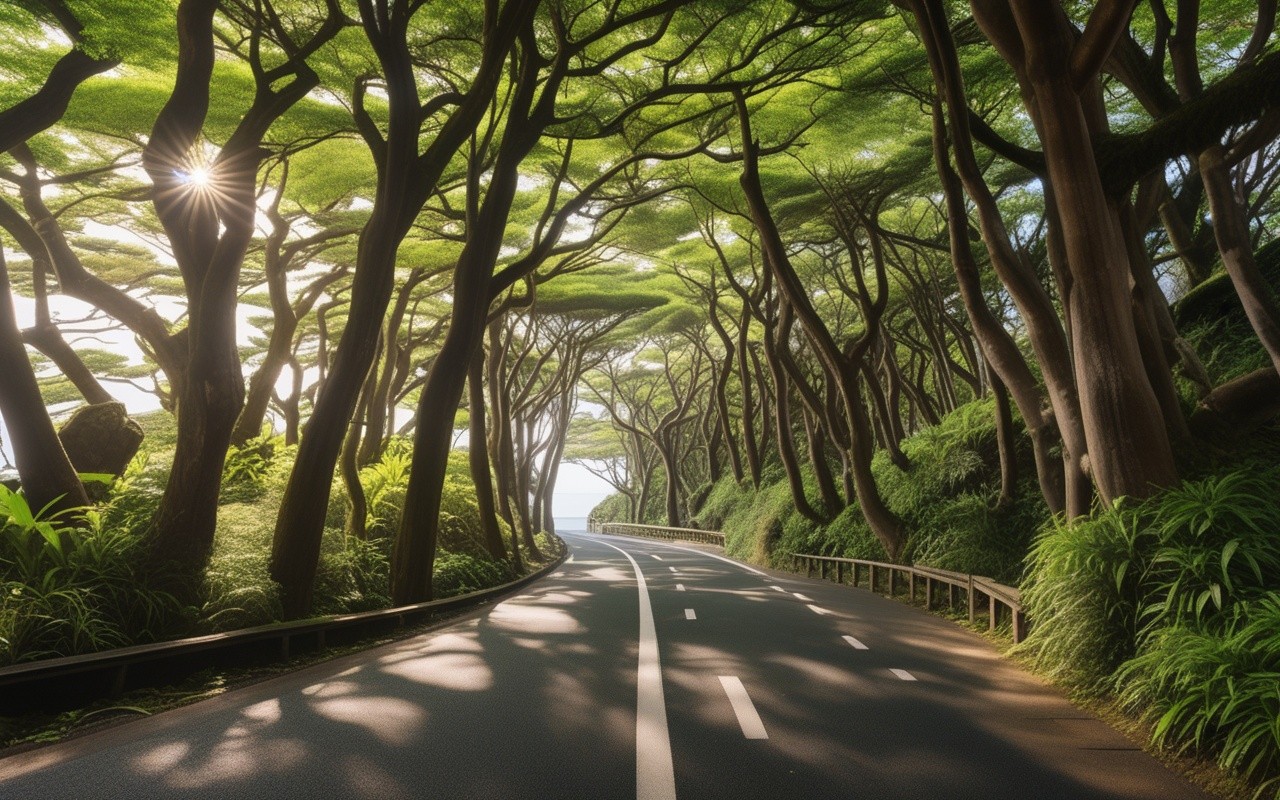
Route 1: Yuigahama to Zushi Beach (12km)
Difficulty: Easy Duration: 1.5-2 hours Highlights: Ocean views, beach stops, local cafes
This flat coastal route follows the shoreline from Kamakura's Yuigahama Beach to Zushi. Perfect for beginners, with plenty of rest stops and photo opportunities.
Route Highlights:
- Yuigahama Beach starting point
- Inamuragasaki Park (sunset views)
- Zushi Marina
- Multiple beachside cafes
Rental Shops:
- Kamakura Cycling (¥1,000/day): Near Kamakura Station
- Shonan Bike (¥1,500/day): Near Yuigahama Station
Route 2: Kamakura Temple Loop (8km)
Difficulty: Easy Duration: 2-3 hours Highlights: 6 major temples, bamboo groves, traditional streets
A cultural cycling route connecting Kamakura's most important temples. The route includes some hills but is manageable for casual cyclists.
Temples Included:
- Kotoku-in (Great Buddha)
- Hasedera Temple
- Hokokuji Temple (bamboo grove)
- Kenchoji Temple
- Engakuji Temple
- Tsurugaoka Hachimangu
Route 3: Enoshima Island Circuit (5km)
Difficulty: Easy Duration: 1-2 hours Highlights: Island views, shrines, sea caves
Circle the entire Enoshima Island, visiting shrines, gardens, and the famous sea caves. The island has dedicated cycling paths and is very tourist-friendly.
Highlights:
- Enoshima Shrine
- Samuel Cocking Garden
- Iwaya Caves
- Sunset viewing spots
Route 4: Hakone Mountain Challenge (25km)
Difficulty: Moderate to hard Duration: 4-5 hours Highlights: Mountain views, Lake Ashi, hot springs
For experienced cyclists, this mountain route offers stunning views of Lake Ashi and surrounding peaks. Includes significant elevation gain.
Route Details:
- Starting point: Hakone-Yumoto Station
- Highest point: 800m elevation
- Rest stops: Multiple onsen towns
- Return: Downhill to starting point
Bike Rental Guide
Budget Options (¥1,000-1,500/day)
Kamakura Station Area:
- Kamakura Cycling: Basic city bikes, ¥1,000/day
- Cycle Kamakura: Electric bikes, ¥1,500/day
Shonan Area:
- Shonan Bike Rental: Beach cruisers, ¥1,200/day
- Fujisawa Cycle: Mountain bikes, ¥1,500/day
Premium Options (¥2,000-4,000/day)
Electric Bikes:
- E-Bike Shonan: ¥3,000/day, 50km range
- Kamakura E-Cycle: ¥2,500/day, 40km range
Road Bikes:
- Shonan Road Bike: ¥4,000/day, carbon frame
- Kamakura Racing: ¥3,500/day, aluminum frame
Rental Tips
- Book in advance during cherry blossom season
- Bring ID: Passport required for rental
- Check insurance: Most shops include basic coverage
- Ask for maps: Free cycling maps available
- Return time: Most shops require return by 6 PM
Safety Tips
Traffic Rules
- Ride on the left: Same as cars in Japan
- Use bike lanes: Where available
- Helmet recommended: Not legally required but advised
- Lights required: After sunset
Road Conditions
- Coastal routes: Generally flat and well-maintained
- Mountain routes: Steep sections, check brakes
- Temple areas: Watch for pedestrians
- Beach paths: Sand can be slippery
Emergency Contacts
- Police: 110
- Ambulance: 119
- Bike rental shops: Usually provide emergency support
Seasonal Cycling Guide
Spring (March-May)
- Weather: 15-20°C, ideal for cycling
- Highlights: Cherry blossoms along coastal routes
- Crowds: High, start early (before 9 AM)
Summer (June-August)
- Weather: 25-30°C, hot and humid
- Highlights: Beach cycling, early morning rides
- Tips: Start before 8 AM, bring extra water
Autumn (September-November)
- Weather: 15-22°C, perfect conditions
- Highlights: Fall foliage on mountain routes
- Best time: October-November
Winter (December-February)
- Weather: 5-10°C, cold but manageable
- Highlights: Clear views, fewer crowds
- Tips: Dress warmly, check road conditions
Location
The Shonan-Kamakura cycling region is located 1 hour south of Tokyo. Major starting points:
- Kamakura Station: Central location, multiple rental shops
- Yuigahama Station: Beach access, coastal routes
- Fujisawa Station: Enoshima access, southern routes
- Hakone-Yumoto: Mountain routes, hot springs
Nearby Attractions
Within 5km
- Yuigahama Beach: Starting point for coastal routes
- Enoshima Island: Island circuit route
- Kamakura temples: Temple loop route
Within 15km
- Zushi Beach: Extended coastal route
- Hakone: Mountain cycling challenge
- Fujisawa: Urban cycling routes
Essential Tips for Visitors
What to Bring
For Cycling:
- Helmet (recommended, not required)
- Water bottle (refill stations available)
- Sunscreen and hat
- Light rain jacket
- Phone with offline maps
For Wellness:
- Comfortable clothing for yoga
- Towel for onsen
- Reusable water bottle
- Small backpack for day trips
For Proposal Planning:
- Ring box (secure pocket)
- Camera or phone for photos
- Backup location plan
- Restaurant reservation for celebration
Best Times to Visit
Early Morning (6-8 AM):
- Fewer crowds at popular spots
- Best photography light
- Cooler temperatures in summer
- Peaceful atmosphere
Late Afternoon (4-6 PM):
- Golden hour for photos
- Sunset views
- Romantic atmosphere
- Cooler temperatures
Weekdays:
- 30-50% fewer crowds
- Better photo opportunities
- More relaxed pace
- Easier restaurant reservations
Local Etiquette
Temple & Shrine Visits:
- Bow before entering
- Remove hats
- Speak quietly
- No photography in restricted areas
- Follow designated paths
Onsen Etiquette:
- Wash thoroughly before entering
- No swimsuits (traditional onsens)
- Small towel only (don't put in water)
- No tattoos (check in advance)
- Quiet conversation only
Cycling Rules:
- Ride on the left side
- Use bike lanes where available
- Walk bikes in crowded areas
- Respect pedestrian zones
- Park in designated areas only
Photography Tips
Best Photo Spots
Sunset Locations:
- Enoshima Sea Candle (360-degree views)
- Yuigahama Beach (ocean sunset)
- Lake Ashi (Mount Fuji backdrop)
- Zushi Marina (quiet, scenic)
Cherry Blossom Spots:
- Tsurugaoka Hachimangu (Kamakura)
- Yamashita Park (Yokohama)
- Hakone Gora Park (mountain views)
- Komachi-dori Street (traditional atmosphere)
Evening Views:
- Minato Mirai illumination
- Yokohama Red Brick Warehouse
- Hakone onsen town lights
- Kamakura temple illuminations
Camera Settings
Smartphone Tips:
- Use HDR mode for landscapes
- Grid lines for composition
- Tap to focus on subjects
- Edit with free apps (Snapseed, VSCO)
DSLR/Mirrorless:
- Wide lens for landscapes (16-35mm)
- Portrait lens for people (50-85mm)
- Tripod for low light
- Polarizing filter for water/sky
Hidden Gems
Local Favorites
Secret Beaches:
- Shichirigahama (less crowded than Yuigahama)
- Isshiki Beach (Hayama, local favorite)
- Morito Beach (Zushi, quiet)
Quiet Temples:
- Hokokuji Temple (bamboo grove, Kamakura)
- Jufukuji Temple (hidden, Kamakura)
- Myohonji Temple (peaceful, Kamakura)
Local Cafes:
- Cafe Rhine (Hayama, ocean views)
- Bill's Shonan (famous pancakes)
- Cafe La Mer (Zushi, beachfront)
Seasonal Secrets
Spring:
- Cherry blossoms at lesser-known temples
- Avoid Golden Week (late April-early May)
- Book accommodations 3 months ahead
Summer:
- Early morning beach visits (before 9 AM)
- Evening fireworks festivals
- Indoor museums for hot afternoons
Autumn:
- Fall foliage at Hakone (mid-November)
- Harvest festivals at local shrines
- Best photography light in October
Winter:
- Clear Mount Fuji views (January-February)
- Onsen with snow views
- Fewer crowds, better prices
Pro Tips from Locals
Money-Saving Secrets
- Supermarket discounts: 7-8 PM, 20-30% off bento
- Convenience store coffee: ¥100 vs cafe ¥400
- Free walking tours: Yokohama, Kamakura (tip-based)
- Museum discounts: First Sunday of month (many free)
- Train passes: Purchase online for 10% discount
Time-Saving Secrets
- Luggage forwarding: Send bags from Tokyo hotels (¥2,000)
- Early temple visits: 8 AM opening, no crowds
- Restaurant reservations: Book 1-2 days ahead
- Offline maps: Download before arriving
- IC cards: Suica/Pasmo for all transport
Safety Secrets
- Emergency numbers: 110 (police), 119 (ambulance)
- Hotel business cards: Carry for taxi returns
- Cash backup: Keep ¥10,000 emergency cash
- Translation apps: Google Translate works well
- Tourist info centers: Free maps, advice, Wi-Fi
Local Insider Tips
Best Times to Visit
Early Morning (6-8 AM):
- Fewer crowds at popular locations
- Best photography light (golden hour)
- Cooler temperatures during summer months
- Peaceful atmosphere for relaxation
- Local residents' favorite time
Late Afternoon (4-6 PM):
- Golden hour for stunning photography
- Sunset views over ocean and mountains
- Romantic atmosphere for couples
- Cooler temperatures after hot days
- Evening illumination begins
Weekdays vs Weekends:
- 30-50% fewer crowds on weekdays
- Better photo opportunities without crowds
- More relaxed pace at temples and museums
- Easier restaurant reservations
- Lower accommodation prices
Money-Saving Strategies
Transportation:
- Purchase day passes for unlimited travel
- Use IC cards (Suica/Pasmo) for small discounts
- Walk between nearby attractions (free, healthy)
- Avoid taxis (extremely expensive in Japan)
- Rent bicycles for local exploration
Food:
- Supermarket bento after 7 PM (20-30% discounts)
- Convenience store coffee (¥100 vs cafe ¥400)
- Lunch specials at restaurants (30% cheaper than dinner)
- Local markets for fresh, affordable seafood
- Standing soba shops for quick, cheap meals
Attractions:
- First Sunday of month: Many museums free
- Temple grounds often free to enter
- Parks and beaches completely free
- Combination tickets for multiple attractions
- Student discounts with valid ID
Photography Tips
Best Camera Settings:
- Use HDR mode for landscapes with bright skies
- Grid lines for better composition
- Tap to focus on your main subject
- Edit with free apps (Snapseed, VSCO)
- Shoot in RAW if your camera allows
Top Photo Locations:
- Enoshima Sea Candle for 360-degree panoramic views
- Yuigahama Beach for ocean sunset photography
- Lake Ashi with Mount Fuji backdrop (winter clearest)
- Kamakura Great Buddha for iconic shots
- Yokohama Minato Mirai for night cityscapes
Seasonal Photography:
- Spring: Cherry blossoms at temples (late March-early April)
- Summer: Beach scenes, fireworks festivals
- Autumn: Fall foliage at Hakone (mid-November peak)
- Winter: Clear Mount Fuji views, illuminations
Hidden Gems Only Locals Know
Secret Spots
Quiet Beaches:
- Shichirigahama (less crowded than Yuigahama)
- Isshiki Beach in Hayama (local favorite)
- Morito Beach in Zushi (peaceful, clean)
Hidden Temples:
- Hokokuji Temple bamboo grove (early morning best)
- Jufukuji Temple (hidden, rarely visited)
- Myohonji Temple (peaceful garden, few tourists)
Local Cafes:
- Cafe Rhine in Hayama (ocean views, local art)
- Bill's Shonan (famous soufflé pancakes)
- Cafe La Mer in Zushi (beachfront, sunset views)
Seasonal Secrets
Spring Secrets:
- Cherry blossoms at lesser-known temples
- Avoid Golden Week (late April-early May)
- Book accommodations 3 months ahead
- Hanami parties in local parks (free, fun)
Summer Secrets:
- Early morning beach visits (before 9 AM)
- Evening fireworks festivals (free viewing spots)
- Indoor museums for hot afternoon escape
- Night cycling along coast (cool, beautiful)
Autumn Secrets:
- Fall foliage at Hakone (mid-November peak)
- Harvest festivals at local shrines (free entry)
- Best photography light in October (clear air)
- Mushroom foraging tours (unique experience)
Winter Secrets:
- Clear Mount Fuji views (January-February best)
- Onsen with snow views (magical experience)
- Fewer crowds, better prices everywhere
- Illumination displays (free, spectacular)
Essential Planning Checklist
Before You Go
Book in Advance:
- Accommodations (especially weekends, holidays)
- Popular restaurants (1-2 days ahead)
- Activity tours (onzen, cycling, cooking)
- Transport passes (online discounts)
Pack Smart:
- Comfortable walking shoes (essential)
- Weather-appropriate clothing layers
- Portable phone charger (long days out)
- Cash (many places cash-only)
- IC card (Suica/Pasmo for transport)
Download Apps:
- Google Maps (offline maps available)
- Google Translate (camera translation)
- Japan Travel by Navitime (route planning)
- Gurunavi (restaurant discounts)
- Hyperdia (train schedules)
Daily Planning
Morning Routine:
- Check weather forecast
- Confirm transport schedules
- Reserve lunch spots if needed
- Charge camera and phone
- Pack water and snacks
Evening Routine:
- Review next day's itinerary
- Charge all devices overnight
- Confirm restaurant reservations
- Check transport for morning
- Organize day's photos
Emergency Preparedness
Important Numbers:
- Police: 110
- Ambulance/Fire: 119
- Coast Guard: 118
- Tourist Info: Use the official Japan National Tourism Organization (JNTO) website for current visitor support options.
Emergency Kit:
- Hotel business card (for taxi returns)
- Emergency cash (¥10,000 minimum)
- Basic first aid supplies
- Portable phone charger
- Copy of passport and insurance
Conclusion
Cycling in Shonan and Kamakura offers an unforgettable way to explore this beautiful region. Whether you choose a leisurely coastal ride or a challenging mountain route, the combination of natural beauty, cultural sites, and excellent infrastructure makes this area perfect for cyclists of all levels.
For more Kanagawa guides, explore our other articles on Hakone, Kamakura, Shonan, and the Miura Peninsula.
Related Articles:
Comprehensive Visitor Guide
This detailed section provides essential information for planning your visit to best-cycling-routes-shonan-kamakura. Whether you are a first-time visitor or returning traveler, this guide covers everything you need to know for an authentic and enjoyable experience in Kanagawa.
What Makes This Destination Special
Best Cycling Routes Shonan Kamakura offers unique experiences that cannot be found elsewhere in Japan. The area combines traditional culture with modern amenities, creating an authentic yet comfortable environment for international visitors. Local residents take pride in sharing their heritage with guests from around the world.
Detailed Seasonal Guide
Spring (March-May)
Spring is one of the most popular seasons for visiting this area. Cherry blossoms typically bloom from late March to early April, creating spectacular scenery throughout the region. Temperatures range from 10-20°C (50-68°F), making it comfortable for walking tours and outdoor activities.
- Highlights: Cherry blossoms, spring festivals, fresh seasonal food
- Crowds: High during peak blossom season (late March-early April)
- What to Wear: Light jacket, layers, comfortable walking shoes
- Special Events: Hanami parties, temple ceremonies, food festivals
Summer (June-August)
Summer brings lush greenery and vibrant energy to the area. Temperatures range from 20-30°C (68-86°F), with higher humidity. This is the season for beach activities, mountain hiking, and evening festivals.
- Highlights: Green landscapes, summer festivals, fireworks, beach access
- Crowds: Very high during school holidays (late July-August)
- What to Wear: Light clothing, hat, sunscreen, umbrella
- Special Events: Fireworks festivals, beach events, night illuminations
Autumn (September-November)
Autumn is arguably the best season for visiting. Fall foliage peaks in November, creating stunning scenery. Temperatures range from 15-25°C (59-77°F), perfect for outdoor exploration.
- Highlights: Fall foliage, comfortable weather, harvest season food
- Crowds: Moderate to high (especially November weekends)
- What to Wear: Light layers, comfortable walking shoes, camera
- Special Events: Autumn festivals, food events, cultural performances
Winter (December-February)
Winter offers a peaceful experience with fewer crowds. Temperatures range from 5-15°C (41-59°F). Clear days provide excellent views of Mount Fuji and distant landscapes.
- Highlights: Fewer crowds, clear views, winter illuminations
- Crowds: Low (except New Year holidays)
- What to Wear: Warm coat, gloves, scarf, hand warmers
- Special Events: New Year shrine visits, winter light-ups, hot springs
Practical Transportation Guide
By Train:
- Direct access from Tokyo Station (30-60 minutes)
- IC cards (Suica, PASMO) accepted
- English announcements on most lines
- Rush hours: 7:30-9:00 AM, 5:00-7:00 PM (avoid if possible)
By Bus:
- Local buses connect major attractions
- Day passes available for unlimited rides
- English route maps at tourist centers
- Frequency: Every 10-20 minutes during daytime
By Car:
- Rental cars available at major stations
- Parking: 500-1,500 yen per day
- Navigation systems with English available
- Toll roads: ETC cards accepted
Accommodation Recommendations
Budget Options (3,000-8,000 yen/night):
- Business hotels near major stations
- Hostels and guesthouses
- Capsule hotels for solo travelers
Mid-Range Options (8,000-20,000 yen/night):
- Traditional ryokan with breakfast
- Modern business hotels with amenities
- Apartment-style accommodations
Luxury Options (20,000+ yen/night):
- Historic ryokan with hot springs
- International chain hotels
- Boutique hotels with local character
Dining and Food Culture
Local cuisine reflects the region's geography and history. Seafood is prominent in coastal areas, while mountain regions offer wild vegetables and traditional preservation methods.
Must-Try Local Dishes:
- Fresh seafood at local markets
- Traditional Japanese set meals (teishoku)
- Regional specialties unique to the area
- Seasonal limited-time offerings
Dining Etiquette:
- Say "itadakimasu" before eating
- Use chopsticks properly
- Tipping is not customary
- Many restaurants accept credit cards now
Money-Saving Tips
Transportation Passes:
- Day passes for unlimited travel
- Multi-day passes for extended stays
- Foreign visitor discounts available
Attraction Discounts:
- Combined tickets for multiple sites
- Free admission days at museums
- Student and senior discounts
Food Savings:
- Lunch sets are cheaper than dinner
- Convenience stores offer quality meals
- Local markets have fresh, affordable options
Safety and Emergency Information
Emergency Numbers:
- Police: 110
- Fire/Ambulance: 119
- Tourist Hotline: Use the official Japan National Tourism Organization (JNTO) website for current visitor support options. (English support)
Medical Facilities:
- Major hospitals with English support
- Clinics near tourist areas
- Pharmacy chains with multilingual staff
General Safety:
- Japan is one of the safest countries
- Keep valuables secure
- Follow local guidelines and signage
Related Reading
Related Reading
Extended Visitor Strategy for Best Cycling Routes Shonan Kamakura
A better visit starts when you stop treating Best Cycling Routes Shonan Kamakura as a single checklist stop and instead design your day in layered modules. Use one primary objective, one backup objective, and one recovery path. The primary objective is what matters most for your trip story. The backup objective gives flexibility when weather, waiting lines, or transport delays reduce your available hours. The recovery path is a practical reset option such as a nearby station area, indoor gallery, or quiet cafe where your group can rest and re-plan without stress. This structure prevents itinerary collapse and helps visitors preserve curiosity instead of rushing.
Timing matters as much as destination choice. Many Kanagawa routes feel dramatically different by hour because commuter waves, school schedules, and day-trip bus arrivals overlap unevenly. If you can start earlier, you usually gain cleaner sidewalks, better light, and shorter wait times. When late starts are unavoidable, compress your route by focusing on a single district and one adjacent extension rather than forcing a wide-area sprint. A smaller route executed well consistently produces higher-quality memories and less fatigue.
How to Read Place Context More Deeply
Visitors often photograph surfaces while missing context. For Best Cycling Routes Shonan Kamakura, context comes from observing how local life and visitor flow share the same streets at different tempos. Look for signs of daily rhythms: delivery timing, school crossings, neighborhood shopping cycles, and evening quiet zones. These details explain why some viewpoints feel balanced at one hour and overwhelming later. Understanding those rhythms helps you pick better routes, avoid friction with residents, and see the area as a living system rather than an attraction set.
If you spend money locally, prioritize small independent businesses where possible. Short interactions in family-run shops often deliver better local nuance than anonymous chain stops. Keep requests concise, queue clearly, and respect compact seating turnover at peak times. Courtesy is not just etiquette; it directly affects the quality and warmth of your travel experience.
Operational Checklist You Can Reuse
- Pre-trip: confirm weather alerts, opening hours, and one alternative route.
- Navigation: save two bailout points and one restroom anchor before leaving your hotel.
- Comfort: carry water, coins, and a lightweight extra layer for temperature shifts.
- Documentation: capture one wide, one medium, and one detail photo per segment.
- Etiquette: avoid blocking narrow paths and never film private homes closely.
Recovery Patterns for Real-World Travel Days
Good travel execution is measured by recovery speed, not perfect conditions. If rain intensifies, switch to covered segments and indoor visits. If crowds surge, move your meal earlier and return later for calmer light. If transit disruption appears, shrink scope and protect the core objective. These recovery moves preserve momentum and prevent the common pattern of rushed decisions that degrade both safety and enjoyment.
Why Repeat Visits Improve Faster with Structure
First visits often optimize for completion, while second and third visits optimize for depth. A structured method works for both. On first contact with Best Cycling Routes Shonan Kamakura, it prevents confusion. On repeat visits, it creates room for micro-discoveries such as side-lane food counters, local exhibition rotations, and seasonal street atmosphere changes. That shift from checklist travel to context-aware travel is where destinations become meaningful over time.
Responsible Use Notes
Use official local advisories for closures and hazard notices. Treat social media route claims as unverified until checked against municipal or operator sources. When in doubt, choose the slower and safer option. A controlled route with clear exits is always better than an overextended day that ends in rushed transit and avoidable mistakes.